Water damage is a significant concern for homeowners in Houston, driven by the city’s combination of humid climate, frequent storms, and unique soil conditions. Being aware of the warning signs and understanding preventive strategies can help you avoid substantial financial loss and protect your home’s health. If you are facing water damage issues or want expert advice, BIONIC Water Damage Restoration Houston TX offers specialized restoration services tailored for Houston’s specific needs.
Many homeowners are surprised at how quickly a minor leak or a single heavy storm can result in property damage, structural issues, and potential mold growth. Early intervention is critical, yet many causes of water damage remain hidden until significant harm has already occurred. By proactively addressing the most common sources, you can safeguard your property and minimize long-term risks.
This guide outlines the top reasons Houston homes experience water damage, from appliance failures to foundation problems, and provides practical maintenance tips to help you prevent costly repairs and health hazards. Understanding these causes is the first step toward developing a proactive maintenance routine that keeps your home safe.
Houston’s combination of weather extremes, such as sudden floods as explained by the National Weather Service, and persistent humidity, makes regular water damage prevention essential for every homeowner.
Leaking Appliances
Household appliances such as dishwashers, washing machines, and water heaters are frequent sources of water damage in Houston homes. Over months and years, hoses and seals can deteriorate, connections might become loose, and small clogs in drains can cause leaks. Because these leaks are often hidden behind or beneath appliances, they can go unnoticed until significant water damage to floors and cabinetry occurs. Homeowners should regularly inspect hoses and connections, replace aging parts before they fail, and watch for pooling water or moisture around appliances.
Roof and Gutter Failures
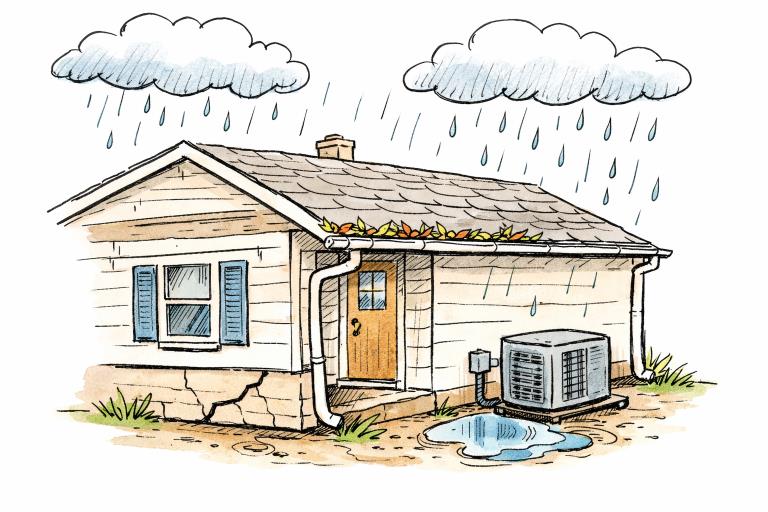
Houston’s heavy rainfalls and seasonal storms present a constant threat to residential roofs and gutters. When gutters become clogged with leaves or debris, water can back up and seep under roof shingles or drip down exterior walls. Similarly, damaged shingles, cracked flashing, or aged roofing materials allow water to penetrate attic spaces and ceilings.
Scheduling professional roof inspections before hurricane season and clearing gutters regularly can help homeowners detect and resolve weak spots before they result in leaks or interior damage. The New York Times Wirecutter highlights the importance of keeping roofs and gutters in peak condition to prevent water intrusion.
Plumbing and Pipe Bursts
Older homes in Houston, and even newer homes with plumbing vulnerabilities, are susceptible to leaky pipes and sudden pipe bursts. Many cases stem from corrosion, aging, or poor initial installation. Minor leaks can create water stains or soft spots on walls and ceilings, while a significant pipe burst can flood entire rooms within minutes. Monitoring water pressure, inspecting for moisture marks, and quickly fixing minor leaks are essential preventive measures. In winter, insulating pipes exposed to cold air gaps can also reduce the risk of freezing and bursting.
Weather-Related Water Intrusion
With Houston’s subtropical climate, high rainfall, and hurricane exposure, weather-related water intrusion is a constant threat. Flash floods can cause rapid water accumulation, affecting walls, foundations, and ground-level living spaces. Even properties outside of official flood zones may encounter water seepage during intense storms. Sump pumps, proper landscape grading, and moisture barriers can add layers of protection for susceptible homes.
Foundation Issues
Houston’s soil, rich in expansive clay, swells and shrinks with changing moisture levels. This often causes shifting foundations, which create cracks in both the foundation and the overlying structure. Such movement may also disrupt plumbing lines, triggering hidden leaks that exacerbate water damage. Homeowners should check for new or widening cracks on walls and floors, as well as doors or windows that begin to stick. Early diagnosis by a foundation expert can be invaluable in preventing bigger (and costlier) repairs down the road.
Preventive Maintenance Tips
- Regular Plumbing Inspections: At least once a month, check under sinks, behind appliances, and around visible pipes for signs of slow leaks or corrosion. Even a damp, musty smell can hint at hidden water damage starting to develop.
- Annual Roof and Gutter Checks: Set reminders before storm season to have your roof and gutters professionally inspected and to remove any blockages. This is particularly important if your home is surrounded by trees.
- Use Dehumidifiers and Exhaust Fans: High humidity, especially in kitchens, bathrooms, and laundry areas, accelerates mold growth and material deterioration. Dehumidifiers and exhaust fans help control indoor moisture.
- Locate Your Main Water Shut-Off Valve: Knowing where and how to quickly shut off your main water line can be crucial if a pipe bursts. Make sure all family members are informed too, as this can minimize flooding while you wait for help.
Staying vigilant and proactive with these steps greatly reduces your risk of water damage and preserves your home’s value and safety. Should significant water damage occur, seeking professional help from a local, reputable restoration service ensures that both visible and hidden hazards are properly addressed.