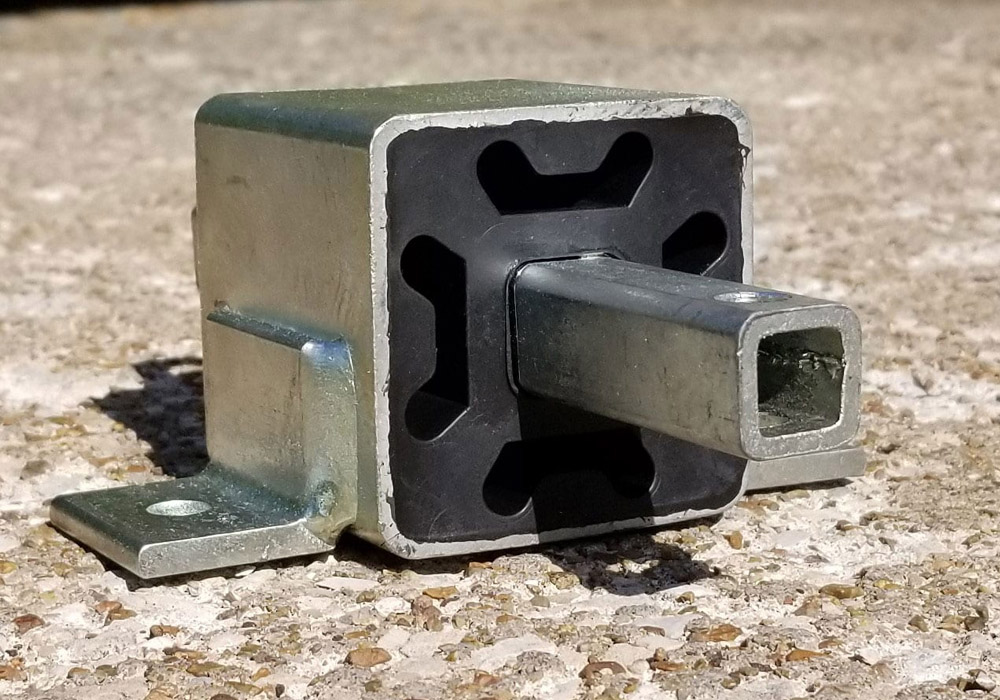
Manufacturers use rubber injection molding to produce components for the automotive, military, appliance, and solar industries. The process applies heat and pressure to shape elastomers into parts that withstand mechanical stress and resist exposure to chemicals and environmental conditions. It also supports the production of application-specific designs using materials selected to meet defined performance requirements. Here is more information on the role of rubber molding in creating durable and customizable products:
Providing Material Strength
Products manufactured through rubber injection molding are designed to meet specific performance requirements, including resistance to heat, pressure, and repeated mechanical stress. The molding process produces consistent parts with precise dimensions; this helps reduce defects such as cracking and warping. Material selection also allows manufacturers to balance flexibility, chemical resistance, and other performance characteristics based on the application’s demands.
Different elastomers serve varying functions. Natural rubber is commonly used in vibration-dampening and sealing applications because it combines flexibility with strong abrasion resistance. EPDM and silicone are frequently selected for products exposed to weather, sunlight, and temperature changes, including roofing components and automotive window seals. Neoprene and nitrile are widely used in automotive and industrial environments where contact with oils and chemicals is common. These materials help protect equipment and internal systems from chemical-related deterioration.
Manufacturers also use specialty elastomers for applications involving aggressive chemicals and elevated temperatures. Because rubber absorbs and dissipates energy under load, it is often molded into mounts, bushings, and pads. These components help reduce vibration and limit mechanical stress on connected parts.
Enhancing Product Customization
Rubber injection, compression, and transfer molding processes support the production of both simple and complex components. These manufacturing methods accommodate a wide range of part geometries, making them suitable for applications across multiple industries. Product specifications, including size, surface finish, and hardness, are selected based on the part’s intended function and operating environment.
Custom molding allows manufacturers to produce components that match specific design and performance requirements. Designs are modified as application needs evolve, reducing the need to rely on standard, off-the-shelf parts. Precise dimensions and engineered features also help rubber components fit properly within assemblies, support sealing and vibration-control functions, and meet user or equipment requirements.
Supporting Manufacturing Efficiency
Rubber molding processes support high-volume production while maintaining consistent part dimensions and material properties. Once a mold is developed, manufacturers produce large quantities of the same component with minimal variation between parts. This level of repeatability helps reduce defects and supports quality-control requirements. Production efficiency also improves because a single mold is used repeatedly throughout a manufacturing run.
Optimizing Industry Versatility
The rubber molding process supports the production of parts with specific shapes and material properties. This makes it suitable for applications across residential, commercial, industrial, and transportation sectors. Applications include:
- Automotive components such as engine mounts, protective covers, door and window seals, and hoses
- Seals, gaskets, and vibration-control components used in industrial equipment
- Medical products, including tubing, syringe components, and seals
- Consumer products that incorporate grips and pads designed to improve handling or stability
- Outdoor equipment components that require resistance to weather, moisture, and temperature fluctuations
Get Custom Rubber Molding Services
Rubber molding is used to manufacture many types of products, including seals, gaskets, and more. The process supports the production of parts with specific dimensions and material requirements. Speak to a rubber molding company today to start designing your custom product.