Key Takeaways
- Gain insight into the most popular roofing materials and their benefits and drawbacks.
- Learn the major factors that affect your decision, from weather and budget to aesthetics and legal restrictions.
- Understand installation and maintenance needs to ensure your roof lasts and preserves your home’s value.
When it comes to protecting your home, nothing is more important than a quality roof. The material you choose impacts not only your home’s structural integrity but also its energy efficiency and aesthetic appeal. Homeowners frequently face a challenging decision with so many styles and material choices available for roof replacement.
Navigating the roofing market can seem daunting. Selecting a material that matches your budget, climate, and house style is vital, and equally important is understanding the upkeep involved. This comprehensive guide will help you weigh your options and make an informed choice that best fits your requirements and local regulations.
Deciding on a roofing material impacts the look and longevity of your entire house. With careful consideration, you can extend the life of your roof and enhance the appearance of your property. Proper installation combined with the right material reduces the risk of leaks and costly repairs in the future. For more comprehensive insights, visit This Old House’s guide to roofing materials.
Understanding Different Roofing Materials
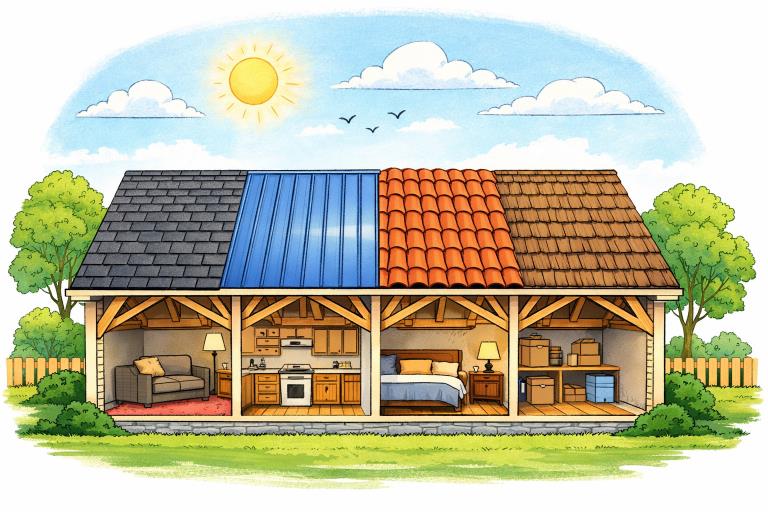
Each roofing material has unique qualities that affect its function, style, and performance. Here are the main choices homeowners encounter:
Asphalt Shingles
Asphalt shingles are widely used in the United States due to their cost-effectiveness, simple installation, and adaptability. They are available in various colors, textures, and profiles, allowing for customization to match your home’s architecture. While they are affordable and relatively easy to maintain, asphalt shingles typically last about 15 to 30 years, which is shorter than other options.
Metal Roofing
Metal roofs excel in durability and energy efficiency. Their reflective properties help lower cooling costs, making them ideal for warmer climates. Although the initial investment may be higher than that of asphalt, metal roofing can last 40 to 70 years with minimal maintenance. Metal is available in several finishes, including standing seam, copper, and steel, making it suitable for both modern and traditional homes.
Clay and Concrete Tiles
Clay and concrete tiles deliver a classic, textured appearance, commonly found in Mediterranean, Mission, and Southwestern styles. They are highly durable, with a typical lifespan exceeding 50 years. These tiles resist fire, rot, and insects. However, they are among the heaviest roofing materials, often requiring additional structural support and a higher upfront investment.
Wood Shingles and Shakes
Wood shingles and shakes offer a timeless, natural aesthetic, often crafted from cedar, redwood, or pine. They provide good insulation and blend beautifully with rustic or cottage-style homes. On the downside, wood roofs demand ongoing maintenance to prevent rot and insect infestation, and certain regions restrict their use due to fire concerns. Homeowners who choose wood must be diligent regarding inspections and sealing treatments.
Slate
Slate is prized for its traditional look and exceptional longevity, frequently exceeding a century when properly installed. Its dense composition makes it fire-resistant and durable, though it is heavy and brittle, requiring professional installation and strong roof support. Slate is among the most expensive roofing materials, but its durability can offset the initial cost over time.
Factors to Consider When Choosing Roofing Materials
Multiple considerations affect the optimal roofing material for your home:
- Climate:Some materials, like slate and metal, handle extreme temperatures, snow, and wind more effectively. Others may not withstand harsh weather as well.
- Budget:Evaluating the upfront cost versus long-term benefits and maintenance needs is essential to avoid overspending either initially or over time.
- Architectural Style:Your roof should complement your home’s design. For example, a modern house may look best with sleek metal panels, while a historic cottage might suit wood or slate shingles.
- Local Building Codes:In some areas, there are safety and fire-resistance restrictions. Always check with local authorities to ensure compliance.
Installation Considerations
Proper installation is vital for maximizing your roof’s lifespan and preventing issues such as leaks or structural problems. Hiring certified, experienced professionals is crucial, as they understand the nuances of each material and local building codes. Additionally, your home’s structure must support the weight of your chosen roofing. For instance, heavy materials like slate and tile may require additional reinforcement. You can learn more about hiring roofers and the importance of expert installation at Bob Vila’s guide to roofing materials.
Maintenance and Longevity
Routine maintenance helps prevent damage and extends your roof’s life. Some materials require more attention than others. For example, asphalt shingles may occasionally need repairs after a storm. Metal exteriors demand little upkeep, while wood needs sealing and regular checks for pests or mold. Understanding the maintenance demands of your chosen roofing material will help you plan and budget more effectively and avoid surprise repair costs.
Conclusion
Choosing the right roof for your home comes down to balancing aesthetics, durability, cost, and ongoing maintenance. By understanding the unique qualities of each material as well as the contextual factors affecting your decision, you can select a roof that not only protects your investment but also elevates your home’s appearance and comfort for decades to come.