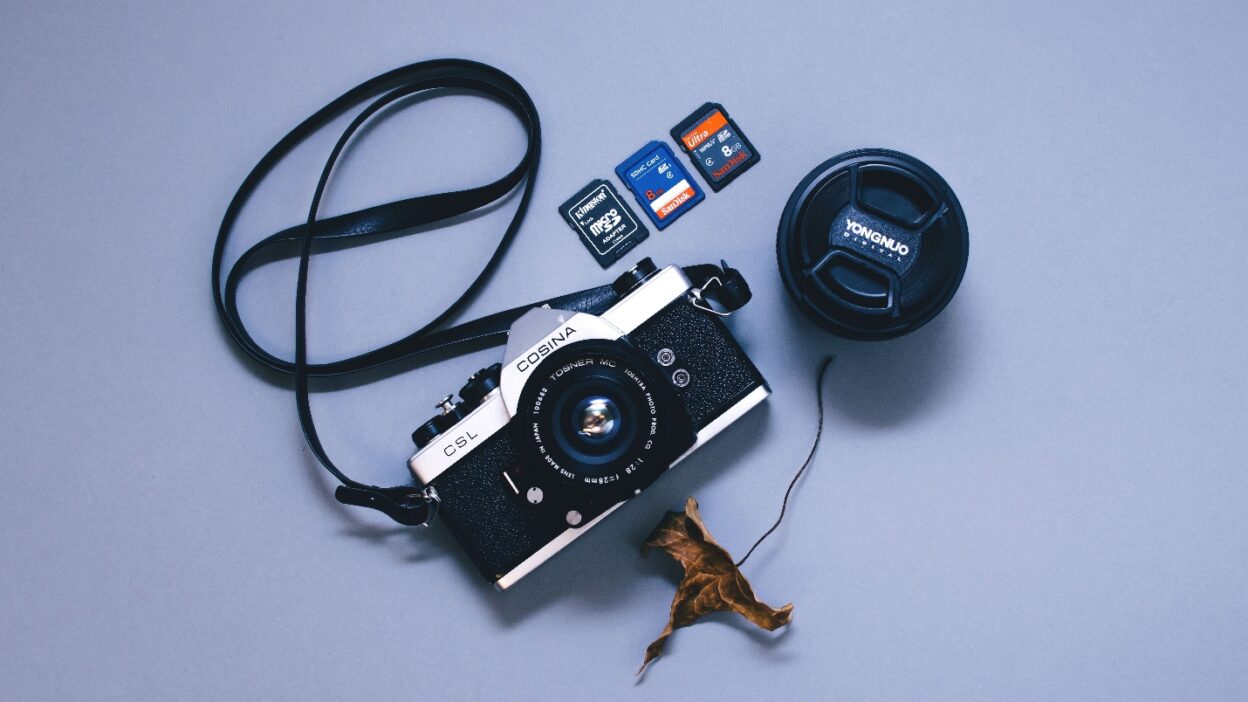
Almost every creator has felt that small panic when a camera stops recording, a file transfer freezes, or a memory card suddenly refuses to cooperate. It is a boring kind of problem until it happens during paid work, a live event, or a shoot that cannot be repeated.
Digital media production now depends on storage more than many people admit. Cameras are sharper, files are larger, workflows move faster, and clients often expect quick delivery without caring much about what happens behind the scenes. Reliable storage is no longer just a technical detail. It is part of how creative work gets finished without unnecessary stress.
Modern Content Creates Heavier Demands
A few years ago, many creators could get by with basic memory cards and slower drives because file sizes were smaller and production demands were simpler. That has changed. High-resolution photography, 4K and 6K video, burst shooting, drone footage, and multi-camera projects all create larger files that need to be written, stored, moved, and backed up without delays.
The difficulty is that storage problems often appear at the worst possible time. A slow card may work fine during casual use, then struggle when the camera is recording high-bitrate video or capturing fast photo sequences. That kind of failure is not dramatic in a useful way. It just wastes time and sometimes ruins work.
Why Storage Performance Matters
Storage speed is not only about how fast files move after a shoot. It also affects whether a camera can keep recording smoothly while data is being written in real time. Video speed ratings, card capacity, device support, and workflow needs all matter more once production work becomes serious. A card that seems fine for everyday photos may not be enough for demanding video formats or longer recording sessions.
For creators comparing card types, the Lexar V60 SD cards guide can help explain why V-rated cards matter for advanced camera work. The point is not simply choosing the highest number available. It is understanding what level of sustained write speed is needed so recording remains stable during real production conditions.
Speed Matters, but Stability Matters More
People often focus on the biggest speed number printed on storage packaging. That number can be useful, but it does not tell the whole story. For media production, sustained performance is often more important than short bursts of speed. A memory card may transfer files quickly in one situation but still fail to keep up during long video recording. This is why video speed classes exist. They help show the minimum write speed a card is designed to maintain. For creators, that matters because cameras do not wait politely while a card catches up.
Stable performance gives the workflow room to breathe. It helps reduce dropped frames, stopped recordings, and corrupted files. Nobody wants to explain to a client that the best take disappeared because the storage was not ready for the job.
File Sizes Keep Growing
Modern cameras produce beautiful results, but they are not gentle on storage. RAW photos, high-frame-rate video, log footage, and large color profiles can fill cards faster than expected. A quick shoot can turn into hundreds of gigabytes before anyone has had lunch.
This affects more than the camera bag. Large files change how creators plan the entire workflow. They need enough capacity on location, fast enough cards for capture, reliable readers for transfer, and backup systems that are not treated as an afterthought. The more complex the project, the more storage becomes part of production planning. It sits beside lighting, audio, batteries, and lenses as one of those things that feels invisible until it becomes a problem.
Reliability Protects Time as Much as Data
Lost data is the obvious fear, but unreliable storage also wastes time in quieter ways. Slow transfers delay editing. Failed copies create confusion. Cards that behave inconsistently force creators to stop and check footage more often than they should. In professional work, time is not just a convenience issue. It affects deadlines, team schedules, and client confidence. A photographer covering an event cannot ask everyone to redo the moment. A videographer filming an interview may not get the same answer twice. Some content exists once, and then it is gone.
Reliable storage helps protect that work while also reducing the mental load on the person creating it. When the tools are trusted, attention can stay on the shoot instead of drifting toward technical worry.
Compatibility Should Not Be Assumed
One common mistake is buying storage based only on brand recognition or large capacity. Compatibility matters too. A camera may require certain speed ratings for specific recording formats. Some devices may not support every card type or capacity. Older card readers may slow down transfers even when the card itself is fast.
This is where reading the camera manual, checking supported formats, and understanding storage labels becomes useful. It may not be the most exciting part of creative work, but it prevents small mistakes from becoming expensive ones. A good storage setup should match the camera, the type of work, and the expected workflow. Buying more than needed can waste money, but buying less than needed can create bigger problems.
Backups Are Part of the Workflow
Reliable storage does not end with the card inside the camera. Once files are captured, they need to be copied, checked, and backed up properly. Many creators learn this the hard way after one failed drive or one missing folder.
A practical workflow often includes multiple copies stored in separate places. That might mean an external drive, a cloud backup, and a working copy for editing. The exact system can vary, but the habit matters. Backups are not glamorous. They rarely get attention unless something goes wrong. Still, they are one of the simplest ways to protect hours, days, or weeks of work.
Storage Choices Shape Creative Confidence
Creative projects already come with enough surprises. Weather shifts, batteries die sooner than expected, clients change plans, and deadlines rarely move. Storage should not be another thing demanding attention. When creators trust their cards and drives, they can stay focused on the work instead of worrying about missing footage or failed transfers.
Reliable storage will not improve creativity by itself, but it protects the results of that creativity. As files grow larger and production workflows become more demanding, dependable storage remains one of the quiet factors that keep projects moving without unnecessary setbacks.