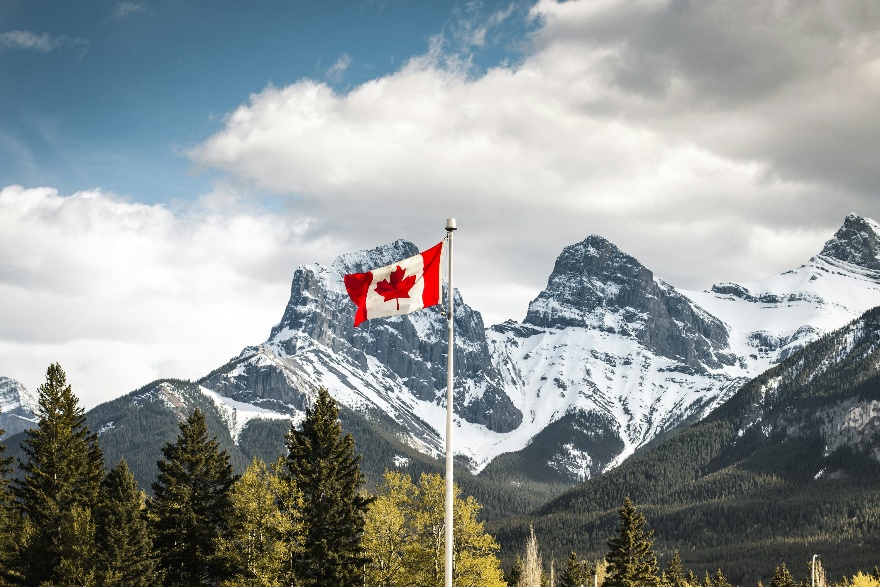
A trip to Canada rewards the kind of traveller who takes the time to prepare. The country covers a vast stretch of landscape, climates, and cultures, and each region asks something slightly different of its visitors. Anyone hoping to feel at ease the moment they land will benefit from thinking through the small details well before the departure date. With the right approach, the planning phase becomes less of a chore and more of a quiet thrill that builds toward the trip itself.
Sorting Out Travel Authorisation Early
Many travellers underestimate how long entry paperwork takes to process in Canada, and they only realise the gravity of the delay once their departure window starts closing in. A missed processing deadline can collapse months of careful planning, force expensive rebooking, or cancel the trip altogether. The cleanest way to avoid that scenario is to apply for a Canada visitor visa well ahead of any flight or hotel commitment. Submit the application with every supporting document the immigration office requests, double-check the form for clerical errors, and keep digital copies of every receipt and reference number. Track the status regularly through the official portal so any request for additional information gets addressed without delay.
Choosing the Right Time of Year
Weather shapes every part of the experience, from what gets packed to which sights remain open. Summer months bring long daylight hours, warmer temperatures, and easier access to national parks. Autumn carries cooler air and stunning leaf colours, especially through the eastern provinces. Winter rewards those who enjoy snow sports, festive markets, and quieter cities, though it demands proper clothing and a willingness to deal with shorter days. Spring tends to feel transitional, with melting snow and a gradual return of greenery. Match the season to the kind of trip you want, and you remove a great deal of the friction that comes from mismatched expectations.
Picking Regions That Suit Your Pace
Trying to see everything in a single visit usually ends in exhaustion. The country is simply too large for a sweeping tour to feel relaxed. Pick one or two regions and let them shape the rhythm of your stay. The Atlantic provinces offer coastal villages, quiet harbours, and a slower pace. Quebec adds cobblestone streets, French heritage, and rich culinary traditions. Ontario brings major urban centres, waterfalls, and lakeside escapes. The prairie provinces stretch wide with farmland, big skies, and unexpected charm. British Columbia and the western mountain ranges deliver dramatic peaks, forests, and ocean views.
Booking Flights and Accommodation Thoughtfully
Last-minute bookings rarely produce the best outcomes. Begin searching for flights several months out, set price alerts, and stay flexible with dates if your schedule allows. Mid-week departures often come at lower fares than weekend ones. Accommodation deserves the same level of attention. Read recent guest reviews carefully, confirm the cancellation policy, and check the neighbourhood for safety, walkability, and proximity to the attractions on your list. Booking refundable options where possible adds a useful safety net in case plans shift unexpectedly.
Building a Realistic Daily Itinerary
A common mistake is packing every hour with activity. Trips fall apart when fatigue sets in by day three. Build your daily plan around one or two main highlights and leave the rest of the day open for slower exploration, meals, or rest. Factor in travel time between locations, which often takes longer than maps suggest, particularly during busy tourist seasons. Allow buffer hours for delays at airports, train stations, or border points. A relaxed itinerary leaves room for the unexpected discoveries that often become the best memories of a journey.
Managing Money and Daily Spending
Sorting out finances ahead of time spares you the headache of scrambling for cash or fighting card issues abroad. Inform your bank about your travel dates so transactions do not get flagged as suspicious. Carry a small amount of local currency for tips, taxis, and smaller establishments that may not accept cards. Set a daily spending estimate based on meals, transport, attractions, and souvenirs, and add a contingency margin for surprises. Travel insurance deserves serious consideration, particularly for international trips where unexpected medical or trip-disruption costs can climb quickly.
Packing With Purpose
Overpacking weighs the trip down both literally and mentally. Lay out everything you think you need, then remove items you can purchase locally or genuinely do without. Layered clothing works well given the wide range of temperatures across regions and seasons. Comfortable walking shoes are non-negotiable, since most memorable days involve a good deal of walking. Keep essential documents, medications, and a change of clothes in your carry-on in case your checked luggage gets delayed. A small first-aid pouch, a reusable water bottle, and a portable charger round out the practical kit nicely.
Staying Connected and Informed
Reliable communication makes everything smoother. Look into local SIM cards, eSIM options, or short-term international plans from your home provider before you depart. Download offline maps for the cities and regions you plan to visit, since signal coverage can be patchy in rural and mountainous areas. Keep digital and printed copies of important documents, including emergency contacts, accommodation addresses, and travel insurance details. Familiarise yourself with local emergency numbers and the nearest consulate or embassy services for your nationality.
Respecting Local Customs and Etiquette
Every destination carries its own social rhythms, and travellers who pay attention tend to enjoy a warmer reception. Politeness, patience in queues, and respect for personal space go a long way. Tipping practices in restaurants and taxis follow established norms, so a quick read on the expectations saves awkward moments. Public spaces, parks, and natural sites often have specific rules about waste, wildlife interaction, and noise. Following them shows respect and protects the experience for those who come after you.
A well-planned trip removes most of the friction that turns holidays into ordeals. By giving each step the attention it deserves, the journey shifts from a logistical puzzle into something genuinely enjoyable.