When you are in the process of purchasing a home, your eyes might be drawn to impressive upgrades, fresh paint, or the spacious layout. But beyond what you immediately see, there’s a critical system that deserves serious attention: the sewer line. Overlooking the condition of this system can result in major expenses and headaches that new homeowners are often unprepared for. That’s why a sewer scope inspection is an essential step when buying a property, especially older homes. Many buyers specifically look for the best sewer scope inspection in northern virginia to ensure the system is properly evaluated before closing.
The sewer system is largely hidden, but its impact on your comfort, finances, and safety is significant. A faulty sewer line can lead to anything from foul odors to flooding, and repairing these problems is rarely cheap or simple. By making a careful assessment of a home’s sewer system part of your due diligence, you can avoid unwelcome surprises and protect your long-term investment.
What Is a Sewer Scope Inspection?
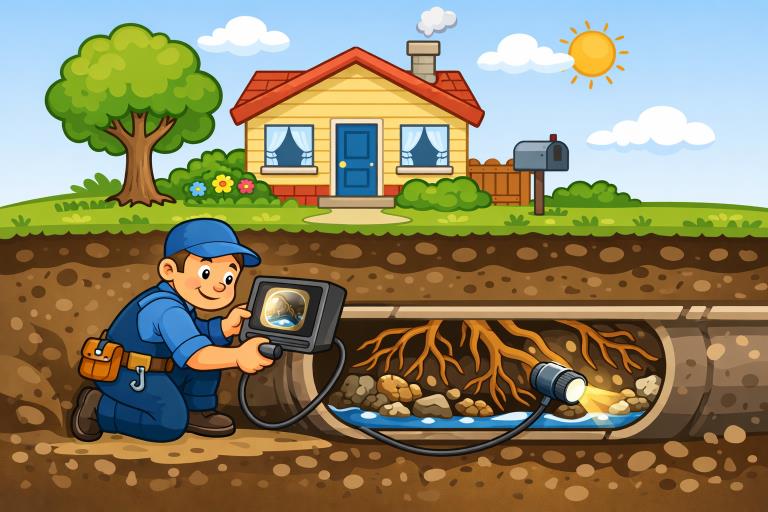
A sewer scope inspection is an advanced diagnostic service that involves using a specialized waterproof camera to inspect the main sewer line of a property. This camera is navigated through the pipe, offering a real-time, detailed look at the inside of the sewer system. Issues such as obstructions, pipe deterioration, improper installation, or even root invasions can be detected during this non-destructive inspection. Unlike routine home inspections that focus primarily on visible elements, a sewer scope inspection targets one of the most overlooked yet essential components of home infrastructure.
Why Home Buyers Should Prioritize Sewer Inspections
The importance of a sewer scope inspection cannot be overstated, especially for homes more than a couple of decades old or those with extensive landscaping. Sewer system failures are not only disruptive but also expensive, sometimes running into the tens of thousands of dollars for emergency repairs or full replacements. Sewer backups, water damage, and contaminated environments are all possible consequences of unchecked sewer line problems. A proactive inspection equips buyers with vital information, allowing them to negotiate repairs, adjust their offer, or even reconsider their purchase if serious issues are uncovered.
According to the Environmental Protection Agency, aging infrastructure and an increasing number of severe weather events are stressing sewer systems nationwide, making timely inspections even more important for today’s home buyers.
Common Issues Detected During Sewer Inspections
- Tree Root Intrusions:Mature trees near sewer lines often send roots into small cracks in pipes, eventually clogging or breaking the line.
- Deteriorated Pipes:Older homes are often fitted with clay, cast iron, or Orangeburg pipes, which corrode, collapse, or disintegrate over time.
- Blockages:Waste buildup, foreign objects, or grease can restrict flow, causing slow drains and backups.
- Poor Installation:Offset or poorly joined pipes, as well as homes with improperly sloped pipes, can experience leaks or frequent backups.
The Inspection Process: What to Expect
- The inspector locates the main sewer line cleanout, typically found in the basement, crawl space, or outside the home.
- A flexible, waterproof camera is inserted into the pipe and carefully guided through the length of the line.
- The technician monitors a live video feed, noting the condition of the pipes, any obstructions, or points of concern.
- The entire process is documented, with a video recording often provided to the buyer for their records.
- Upon completion, a detailed written report is generated, highlighting any problems detected and making specific recommendations for repair or maintenance.
Costs and Potential Savings
The price of a sewer scope inspection in most markets runs between $125 and $350, depending on property size and location. This modest investment can save you thousands later, as sewer line repairs can cost anywhere from $2,500 for a simple fix to $30,000 or more for a total replacement. For many buyers, a positive inspection result means peace of mind, while a negative one provides a valuable upper hand in negotiating with sellers or planning necessary repairs. According to Kiplinger, hidden repair costs are one of the major stresses for new homeowners.
When to Schedule a Sewer Scope Inspection
- If the home is older than 20 to 30 years.
- When there are large trees or heavy landscaping near the main sewer line.
- Properties with unexplained plumbing problems, such as recurring clogs or slow drains.
- When buying a property that has been substantially remodeled or “flipped” recently, since major work can hide or worsen existing sewer issues.
- As part of a broader due diligence process on any resale property.
Conclusion
Including a sewer scope inspection as part of your home-buying checklist is a smart decision that can prevent costly surprises after closing. By proactively addressing this hidden yet vital element, buyers can enjoy their investment with confidence, knowing the home’s plumbing infrastructure is sound. Trusting the process and seeking qualified inspectors is the best path to safeguarding not only your wallet but also the health and comfort of your new home.