Key Takeaways
- Deep watering helps trees develop strong, healthy root systems.
- Adequate mulching conserves soil moisture and shields roots.
- Pruning remains critical to overall tree safety and appearance.
- Seasonal inspections are essential for early detection of potential problems.
- Awareness of property boundaries helps avoid legal issues.
Trees enhance the beauty and value of any property, providing shade, improving air quality, and supporting local ecosystems. Thoughtful maintenance ensures they remain healthy and continue to thrive in any landscape. For expert assistance or more information on proper tree care, consider consulting with Zazueta Tree Specialists, who offer a range of tailored tree services to meet your needs.
From selecting the right watering methods to understanding the legal aspects of tree ownership, homeowners can take practical steps to support their trees’ health and longevity. Investing attention in every stage of a tree’s life cycle can reward property owners with years of shade, privacy, and natural beauty. With a combination of do-it-yourself guidance and professional insight, tree care becomes manageable and rewarding for any homeowner.
Watering Wisely
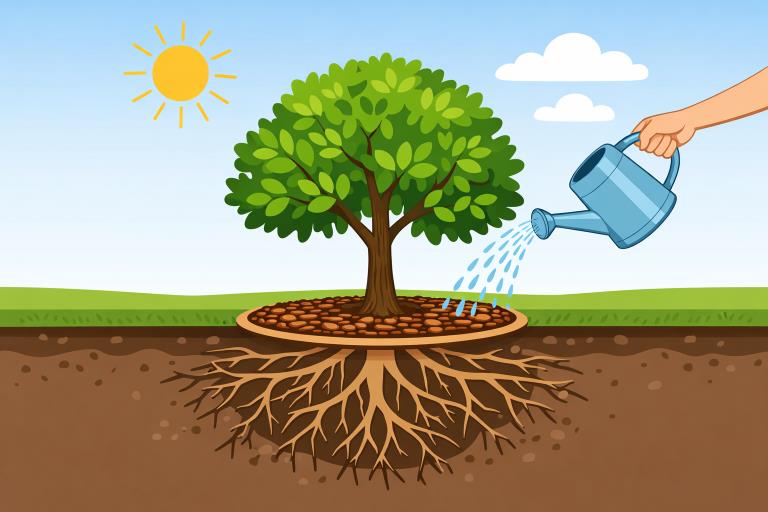
Consistent and deep watering supports tree vitality, particularly in young or recently planted specimens. While frequent shallow watering often results in weak roots that stay near the surface, deeply watering once or twice a week encourages roots to grow downward, reaching moisture-rich soil layers. Time your watering sessions for early morning or late evening to minimize evaporation, making sure the water soaks into the ground rather than running off the surface. The U.S. Forest Service recommends adjusting watering based on climate, tree age, and soil conditions for optimal growth.
Mulching Matters
Mulch serves multiple roles, preserving soil moisture, suppressing weeds, and buffering soil temperature changes. Avoid mounding mulch against the trunk, as this can lead to bark rot and pest infestations. Instead, establish a mulch ring (two to four inches thick) around the drip line, while keeping the base of the trunk exposed to air. This approach improves both tree health and appearance and is widely recommended by horticulture specialists.
Pruning Practices
Routine pruning is essential for removing dead or diseased branches, enhancing structure, and reducing the risk of storm damage. When pruning, focus on removing only what is necessary; over-pruning can stress trees and make them more vulnerable to pests and diseases. Always use clean, sharp equipment and, when possible, prune during dormant periods for minimal disruption. For larger trees or complex issues, a certified arborist should be consulted to assess risks and guide the process in accordance with established guidelines.
Seasonal Inspections
Each season brings unique maintenance tasks for healthy trees. Early spring is the time to check for leaf buds and new growth, as well as signs of winter injury or pest activity. During summer, keep soil moisture levels consistent and look for wilting or yellowing leaves that may indicate underlying problems. Use fall to prepare trees for colder months by applying mulch and inspecting for structural issues or cracks. In winter, look for storm damage or limb breakage caused by ice and snow, and address concerns promptly to avoid hazards.
Legal Considerations
Understanding the legal aspects related to caring for trees near property boundaries is crucial. As a rule, you may trim branches that cross onto your property; however, you cannot cross into a neighbor’s yard without permission, as it may lead to disputes or liability. If you encounter a situation involving a particularly large or compromised tree on a shared line, open communication with your neighbor and reference to local laws are important.
Protecting Trees During Construction
Many trees suffer injury during construction or landscaping projects. Soil compaction, root injury, and grade changes can severely compromise long-term tree health. Establish a root protection area corresponding to the drip line to avoid unnecessary stress or damage. Mark off this area before beginning any nearby earth-moving or equipment operation, and collaborate with your contractor to keep heavy machines and vehicles clear of tree roots.
Recognizing and Addressing Pests and Diseases
Closely observe trees for signs of unexpected leaf loss, discoloration, or insect activity. Early intervention is key to resolving infestations and limiting damage. Local extension services or certified arborists are reliable sources for diagnosis and recommending treatments. Common issues such as fungal blights, scale insects, and borers can be managed with timely action and, in some cases, environmentally friendly solutions.
When to Seek Professional Help
Many tasks in tree care are accessible to the average homeowner, but some situations demand professional expertise. Trees that are near utility lines, exhibit sudden and severe decline, or develop large dead branches require evaluation by a certified arborist. Professionals have the skills, experience, and equipment to manage challenging cases safely, protecting both property and people.
Conclusion
Proper tree care combines consistent maintenance, informed decision-making, and respect for natural growth patterns. Practices such as deep watering, mulching, pruning, and seasonal inspections work together to support long-term tree health and stability. Understanding legal responsibilities and protecting trees during construction further ensures safety and prevents avoidable damage or disputes in shared spaces and property lines. With regular attention and timely intervention, trees can continue providing environmental and aesthetic benefits for many years.