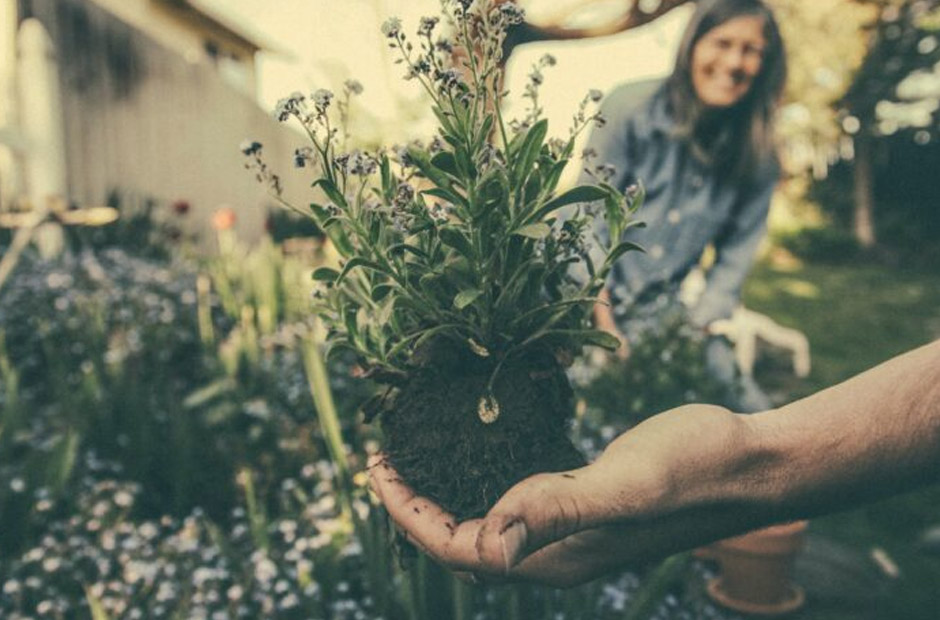
Creating a beautiful outdoor space does not have to come at the expense of the environment. Sustainable gardening focuses on working harmoniously with nature, reducing waste, and conserving valuable resources. By making a few mindful adjustments to your yard care routine, you can cultivate a thriving landscape that supports local ecosystems.
Many traditional landscaping methods rely heavily on synthetic chemicals and excessive water consumption. Transitioning to eco-friendly practices helps restore natural balance to your soil and local wildlife. You will learn practical, actionable strategies to transform your home garden into a sustainable haven that looks spectacular and benefits the planet.
1. Plant Native Species
Native plants naturally adapt to your local climate and soil conditions. Because they evolved in your specific region, they require significantly less water, fertilizer, and overall maintenance than exotic species. Incorporating native flowers and shrubs also provides familiar food sources for local birds and beneficial insects, creating a vibrant backyard ecosystem.
2. Start a Compost System
Food scraps and yard debris make up a large portion of household waste. Instead of sending these materials to a landfill, you can turn them into nutrient-rich compost. A simple backyard bin can break down vegetable peelings, coffee grounds, and grass clippings into a dark, crumbly material. Adding this organic matter to your garden improves soil structure and reduces the need for synthetic fertilizers.
3. Conserve Water with Smart Irrigation
Overwatering is a common mistake that wastes precious resources and harms plant roots. You can reduce your water usage by installing a drip irrigation system, which delivers water directly to the base of your plants. This method minimizes evaporation and runoff. Additionally, setting up a rain barrel allows you to collect free, chemical-free rainwater to hydrate your garden during dry spells.
4. Apply Natural Mulch
Bare soil dries out quickly and invites unwanted weeds. Applying a thick layer of organic mulch around your plants solves both problems effortlessly. Materials like shredded bark, wood chips, or pine needles help the soil retain moisture, regulate ground temperature, and suppress weed growth. As the mulch slowly decomposes over time, it feeds the underlying soil biology.
5. Switch to Organic Fertilizers
Chemical fertilizers often provide a quick burst of growth, but they can degrade soil health and pollute local waterways through runoff. Organic alternatives release nutrients slowly and improve the long-term fertility of your landscape. Natural options like bone meal, fish emulsion, and worm castings nourish your plants while keeping beneficial earthworms and microbes safe.
6. Encourage Pollinators and Beneficial Insects
A healthy garden buzzes with life. Bees, butterflies, and ladybugs play critical roles in pollinating flowers and naturally controlling pest populations. You can attract these helpful visitors by planting a diverse array of nectar-rich flowers that bloom at different times of the year. Avoiding broad-spectrum pesticides ensures these essential insects can thrive in your yard.
7. Build a Healthy Soil Foundation
Everything in your garden relies on the quality of the earth beneath it. Healthy, porous soil allows roots to penetrate deeply and access essential moisture. Improving your yard’s base layer sets the stage for robust plant growth. For instance, incorporating high-quality topsoil in Salt Lake City provides the essential nutrients and structure necessary for deep vegetable rooting and resilient turf establishment.
8. Practice Companion Planting
Plants often grow better when paired with the right neighbors. Companion planting is a strategic method where different species are grown close together to benefit one another. For example, planting marigolds near tomatoes can naturally deter harmful nematodes. Tall plants can provide necessary shade for heat-sensitive greens, maximizing your growing space while naturally managing pests.
9. Use Manual Gardening Tools
Gas-powered lawnmowers and leaf blowers contribute heavily to noise and air pollution. Swapping these machines for manual or electric alternatives instantly reduces your carbon footprint. A push reel mower, a sturdy hand rake, and manual pruning shears do an excellent job of maintaining your yard. Plus, using hand tools turns routine yard work into a quiet, rewarding form of physical exercise.
Grow a Greener Future in Your Backyard
Sustainable landscaping is a continuous, rewarding process. You do not need to implement every change overnight. Start small by introducing a few native plants or setting up a basic compost bin. Each eco-friendly choice you make builds upon the last, gradually transforming your property into a resilient, vibrant environment. By adopting these methods, you protect local ecosystems and create a stunning garden that will flourish for years to come.