A small room doesn’t usually fail because it’s small. It fails because every job lands in the same corner: drying laundry, spare bedding, school bags, paperwork, toys, chargers and the chair nobody can sit on because it’s holding clothes. Before you buy another storage box, it’s worth asking what the room is really meant to do.
Give Every Area a Clear Job
Small spaces cope better when each area has a purpose. A dining table that is also a desk, craft station and dumping ground will quickly feel chaotic unless each use has a home. Keep laptop chargers in one basket, school papers in a tray and tableware nearby, so the surface can change jobs without becoming buried.
This matters even more in bedrooms. If a spare room is sometimes used for guests, sometimes for work and sometimes for storage, decide which role matters most. Households reviewing bedroom space because family needs have changed, or because carers are considering whether to transfer fostering agency, often need the room to feel calm, usable and ready rather than half-filled with things nobody has sorted.
Use the Walls Before the Floor
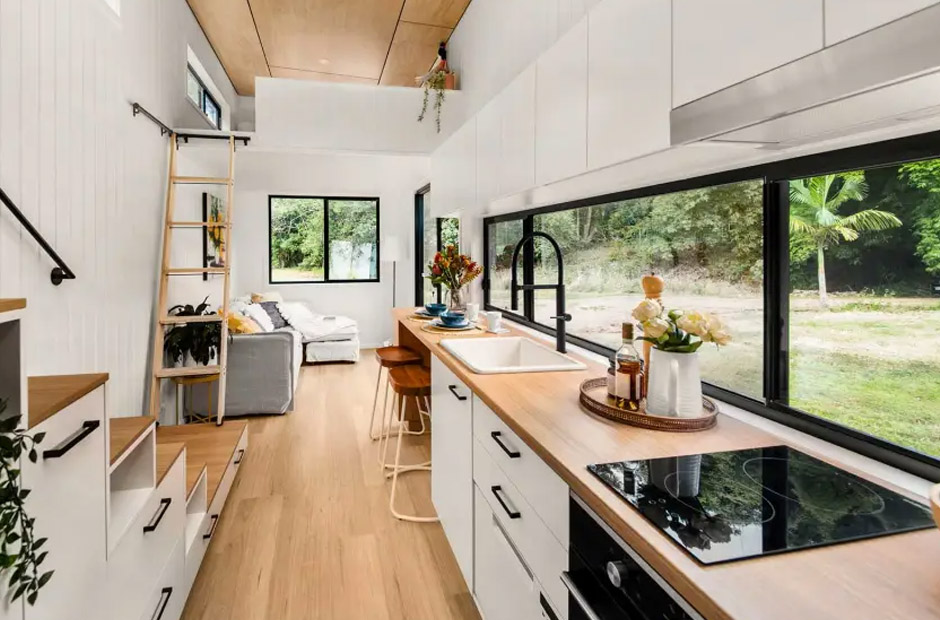
The floor disappears first in a small home, so look upwards. Wall shelves, peg rails, hooks, narrow picture ledges and over-door racks can carry items that would otherwise crowd chairs, beds and worktops. A slim shelf above a desk can hold notebooks and headphones. Hooks near the front door can stop coats drifting through the house.
Don’t overload every wall, though. The point is to free the room, not make it feel like a stockroom. A few well-placed pieces of storage that uses awkward spaces can do more than a large unit that blocks light or movement.
Choose Furniture with More Than One Use
In a compact home, furniture should earn its space. A storage footstool can hide throws, games or toys. A bed with drawers can take spare bedding. A drop-leaf table can serve meals without filling the room all day.
Before buying anything, measure the route into the room as well as the room itself. A clever sofa bed is not clever if it blocks the wardrobe when opened, and a deep chest of drawers can make a narrow bedroom feel pinched.
Keep Everyday Items Easy to Reach
Organisation fails when the things people use daily are hard to put away. If children need school shoes every morning, they shouldn’t live in a box under three coats. If a work bag comes home every evening, give it a hook, shelf or corner that doesn’t get in the way.
A simple reset can help:
- keep daily items between waist and shoulder height
- store occasional items higher up or under beds
- use clear boxes only where seeing the contents helps
- label shared storage so everyone knows where things go
Reduce Visual Noise
Small rooms feel calmer when fewer things are on show. That doesn’t mean stripping out personality. It means grouping items properly: books together, toys in one zone, paperwork behind a door, cables clipped or boxed. The same idea sits behind many clutter-busting ideas for small homes: the room works better when the eye has somewhere to rest.
Edit Before You Add
Storage only helps if it holds things you actually need. If a cupboard is full of broken chargers, old bedding, outgrown clothes and mystery cables, a new basket won’t fix the problem. Sort one drawer, shelf or corner at a time, then decide whether you still need more storage.
A small space works harder when it has fewer confused corners. Give each area a job, use height wisely, keep daily items easy to return, and let the room serve your life instead of storing every undecided thing in it.