A slow kitchen sink, standing water in the shower, or unpleasant odors coming from drains may seem minor at first, but these warning signs can quickly turn into expensive plumbing repairs if left untreated.
Many homeowners do not realize how much daily habits affect drain performance over time. Grease, soap residue, food waste, hair, and debris slowly build up inside pipes and restrict water flow. Eventually, this buildup can lead to recurring clogs, pipe damage, or even major sewer backups.
In cities like Cincinnati, where seasonal weather changes and older plumbing systems are common, regular drain maintenance is especially important. Heavy rainfall, aging pipes, and increased plumbing strain can all contribute to drainage problems if homeowners are not proactive.
Fortunately, many expensive plumbing repairs can be avoided through simple preventative maintenance and early attention to drain warning signs. Taking care of drains consistently helps protect the plumbing system, improve water flow, and reduce the risk of larger plumbing emergencies in the future.
Regular Drain Cleaning Helps Prevent Serious Plumbing Problems
Drain buildup develops gradually over time, which is why many homeowners do not notice a problem until water flow becomes severely restricted. Every day, materials such as grease, soap residue, food particles, hair, and mineral deposits slowly collect inside pipes and narrow the available space for drainage.
Kitchen drains are especially vulnerable because grease and food waste often stick to the pipe walls after washing dishes or cooking. Bathroom drains commonly collect hair and soap scum that combine into thick blockages over time.
Recurring clogs are often a sign that deeper buildup is forming farther inside the plumbing system. Temporary household solutions may improve drainage briefly, but they often fail to fully remove the underlying obstruction.
Many homeowners in Ohio rely on professional Cincinnati drain cleaning services to clear stubborn buildup, restore proper water flow, and help prevent costly plumbing repairs caused by long-term drain blockages and hidden pipe issues.
Professional drain cleaning equipment can reach deeper into pipes than most household tools or store-bought products. This allows technicians to remove buildup more thoroughly while improving overall plumbing performance.
Regular drain maintenance may also extend the lifespan of pipes by reducing pressure and preventing damage caused by severe clogs or backups.
Addressing drain issues early often saves homeowners from larger plumbing repairs later.
Smart Kitchen Drain Habits Reduce the Risk of Clogs
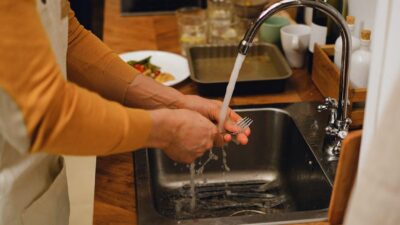
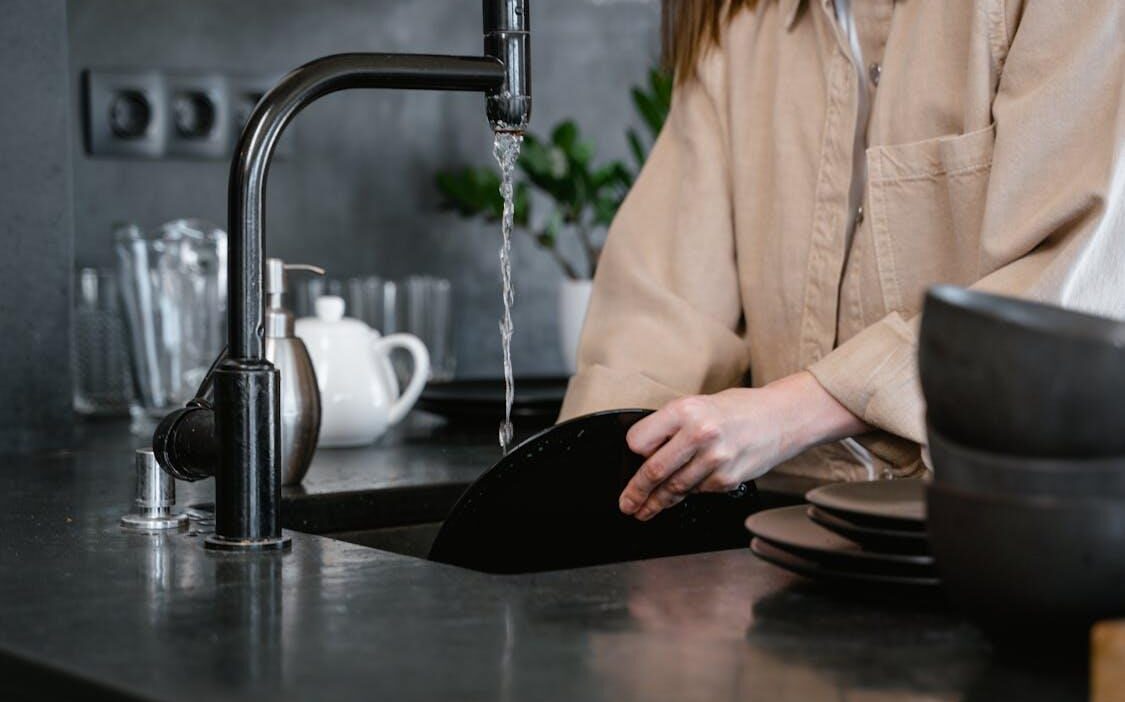
Kitchen drains handle heavy daily use, which makes them one of the most common locations for plumbing problems. Fortunately, small changes in kitchen habits can significantly reduce the risk of clogs and backups.
One of the biggest mistakes homeowners make is pouring grease or cooking oil down the sink. Even when grease appears liquid, it cools and hardens inside the pipes, trapping food particles and narrowing water flow over time.
Coffee grounds, pasta, rice, eggshells, and fibrous vegetables may also create drain problems if disposed of improperly. These materials can collect inside garbage disposals or pipes and contribute to stubborn clogs.
Using a drain strainer is a simple but effective way to prevent food debris from entering the plumbing system. Strainers catch larger particles before they reach the drain and help reduce buildup inside the pipes.
Flushing kitchen drains regularly with hot water may also help remove small amounts of grease and residue before larger blockages form.
Garbage disposals should be used carefully and not overloaded with large amounts of food waste at once.
Consistent kitchen drain maintenance supports healthier plumbing systems and helps homeowners avoid unnecessary repair costs.
Bathroom Drain Maintenance Helps Prevent Slow Drainage
Bathroom drains frequently collect hair, soap residue, toothpaste, and personal care products that gradually slow water flow.
Hair is one of the most common causes of bathroom clogs because it easily binds together with soap scum and debris inside pipes. Over time, this buildup restricts drainage and may eventually cause standing water or recurring sink and tub backups.
One of the earliest signs of a developing clog is slow drainage. Water that pools around feet during showers or drains slowly from sinks often indicates buildup forming inside the plumbing system.
Drain covers are one of the easiest ways to reduce bathroom clogs. These inexpensive tools help catch hair and debris before they enter the drain.
Regular cleaning around sink stoppers and shower drains may also help remove buildup before larger blockages develop.
Homeowners should avoid flushing products such as wipes, cotton swabs, paper towels, or hygiene products down toilets, even if some products claim to be flushable.
Routine bathroom drain care improves drainage performance and helps reduce the likelihood of more serious plumbing issues in the future.
Simple preventative habits often make a significant difference in long-term plumbing health.
Avoiding Chemical Drain Cleaners Protects Pipes
Many homeowners reach for chemical drain cleaners when clogs appear, but repeated use of these products may actually damage plumbing systems over time.
Harsh chemicals are designed to break down clogs quickly, but they may also weaken older pipes, corrode plumbing materials, and create long-term damage inside the drainage system.
Chemical cleaners are especially risky for aging plumbing systems or homes with older metal pipes. Repeated exposure to strong chemicals can increase the likelihood of leaks or pipe deterioration.
Safer alternatives are often more effective for regular maintenance. Flushing drains with hot water, using baking soda and vinegar solutions, or cleaning drain covers regularly may help reduce buildup naturally.
For recurring clogs or severe blockages, professional drain cleaning is usually the safer and more reliable solution. Professional equipment removes buildup without placing unnecessary stress on the plumbing system.
Persistent drain issues may also indicate deeper problems, such as tree root intrusion, sewer line damage, or hidden pipe blockages that chemical cleaners cannot solve.
Protecting the plumbing system starts with choosing maintenance methods that support long-term pipe health instead of temporary fixes.
Proper drain maintenance plays a major role in protecting the overall health of a home’s plumbing system. Small issues such as slow drains, odors, or recurring clogs may seem minor initially, but they often signal larger problems developing inside the pipes.
Consistent maintenance habits, proper disposal practices, and regular inspections help reduce buildup and improve long-term plumbing performance. Avoiding grease disposal, protecting bathroom drains, and staying away from harsh chemical cleaners all contribute to healthier drains.
Professional drain cleaning and preventative care can also help homeowners avoid serious plumbing emergencies and costly repairs later.