Key Takeaways
- Identify the core reasons for subscription cancellation to shape a powerful retention strategy.
- Use personalized interventions to address user-specific pain points and extend value.
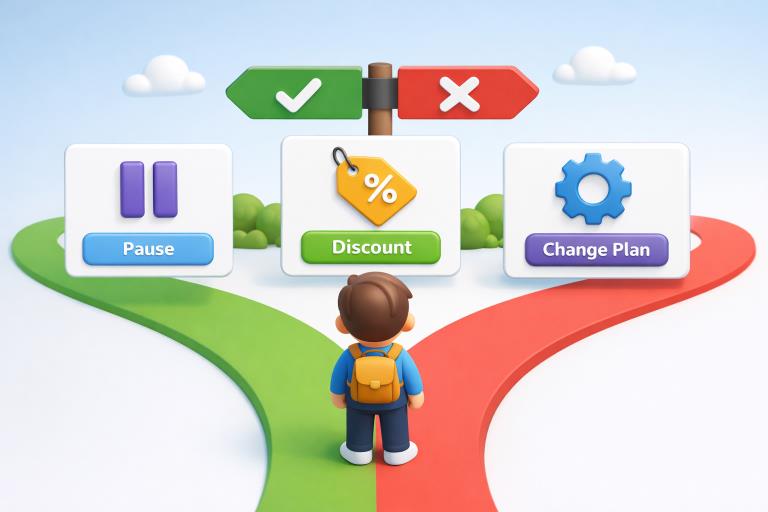
- Provide flexible subscription management, including pause and plan changes, to accommodate evolving user needs.
In the competitive landscape of subscription-based services, retaining users is just as important as acquiring them. The way a company handles the cancellation process, known as the cancellation flow, can make a significant difference in user retention. By creating a thoughtful, efficient journey for users considering leaving, businesses can address underlying concerns, solve user pain points, and often entice members to stay. Analyzing leading examples of cancel subscription UI patterns can further inform and inspire an effective retention strategy tailored to specific audiences.
Understanding why subscribers cancel and responding with tailored solutions is vital for a sustainable business model. Advanced cancellation flows are no longer abrupt or transactional. Instead, the most effective flows are empathetic, transparent, and adaptive to individual needs. They frequently manage to convert exit intent into loyalty and even delight users who expected a simple “goodbye.”
Companies that excel at reducing churn use these flows to highlight hidden value, offer temporary breaks, or pivot users to different plans. The challenge lies not just in preventing cancellation but in providing a seamless experience that respects customer autonomy. For digital product leaders, investing in cancellation experience pays dividends in retention rates and customer lifetime value.
Ultimately, refining user offboarding is not just a defensive measure against churn, but a proactive strategy to boost the overall customer experience. This article walks through the fundamental pillars of effective cancellation flows, practical techniques, industry best practices, and real-world case studies to guide teams in crafting retention-driven cancellation journeys.
Understanding User Cancellation Reasons
Uncovering the motivations behind subscription cancellations is the first step in minimizing churn. Research reveals that most users do not leave spontaneously but for specific, solvable reasons. The most cited causes include:
- Perceived High Cost:Users feel the subscription does not offer sufficient value for the price.
- Infrequent Usage:Some subscribers do not use the service often enough to justify the ongoing cost.
- Desire for Flexibility:The ability to pause or adjust plans rather than cancel outright is increasingly important to today’s consumer.
Studies have shown that 31% of voluntary subscription cancellations are due to perceived high costs, while other major drivers are excessive product supply and lack of variety. Proactively identifying and addressing these issues within the cancellation journey can influence a significant portion of undecided cancelers.
Personalized Interventions During Cancellation
When users signal intent to cancel, offering generic or impersonal options rarely changes minds. Personalized interventions can dramatically lift retention by responding to each user’s specific reason for leaving:
- Discount Offers:Special, time-limited discounts remind cost-sensitive users of the value and reduce the price friction.
- Usage Insights:Displaying the user’s engagement history can reinforce the service’s value and remind users of features they enjoy but might overlook.
- Alternative Plans:Suggesting a lower-cost or more suitable plan helps match the service to shifting budgets and lifestyles.
Well-executed interventions within the cancellation flow have been reported to save 20% to 35% of at-risk subscribers. The key is relevance. If a subscriber is leaving for budget reasons, offer a less expensive plan or a temporary discount; if the issue is lack of use, propose a pause or highlight features that have gone unused.
Offering Flexible Subscription Options
Today’s subscribers demand flexibility from digital services, and rigid cancellation policies only frustrate users. Allowing subscribers to rather than fully cancel provides breathing room without severing the relationship. Data from a Recurly report indicates that nearly 40% of users would choose to pause a subscription rather than cancel. Giving customers this sense of control and agency builds loyalty and increases the chance of reactivation down the line.
Options such as easy plan downgrades, delayed cancellations, or hold features directly address evolving customer needs. By mirroring life’s natural ebbs and flows, subscription providers can retain more value per customer over time.
Best Practices for Cancellation Flows
The hallmarks of an effective cancellation flow are clarity, empathy, and adaptability. To maximize impact, businesses should:
- Communicate Clearly:Ensure users know what to expect and avoid misleading or overly complex language when canceling.
- Gather Actionable Feedback:Incorporate a brief, optional exit survey to collect valuable data on why users leave. This feedback loop can inform everything from product development to marketing strategy.
- Iterate Based on Data:Monitor results, A/B test interventions, and refine the flow over time based on measurable outcomes and changing user expectations.
Case Studies: Successful Cancellation Flows
Leading brands illustrate how effective cancellation flows can both satisfy and retain users:
- CLEAR (Airport Security):CLEAR addresses cost-related churn by offering to extend the next billing cycle by 2 months at no charge to users about to cancel. This approach alleviates financial pressure and keeps the subscriber relationship alive without forcing an immediate decision.
- YouTube TV:Their cancellation flow is highly adaptive, customizing retention offers such as subscription pauses or plan switches depending on the user’s exit reason. For users who cite low usage, a pause offer directly matches the underlying need and drives future reactivation.
These approaches demonstrate that targeted, customized offboarding processes lead to higher satisfaction and retention rates. Subscription services that listen and respond to real customer feedback outperform those with static, one-size-fits-all cancellation flows.
Conclusion
Minimizing churn is not simply about preventing exits, but about enhancing the entire subscriber journey. By recognizing and addressing reasons for leaving, companies can design cancellation flows that feel supportive, offer tailored solutions, and empower users with meaningful choices. Integrated with regular feedback collection and iterative improvement, sophisticated cancellation experiences become a vital tool for customer retention, higher satisfaction, and long-term loyalty.