Key Takeaways
- Digital solutions are key to enhancing guest satisfaction and streamlining operations in tribal hospitality.
- Integrated systems improve real-time decision-making and efficiency across departments.
- Embracing new technologies drives revenue and establishes a unique competitive advantage for tribal properties.
The hospitality industry is in the midst of a digital transformation, with tribal hospitality operators increasingly recognizing the value of new technologies for both guest satisfaction and operational efficiency. As guests seek seamless, personalized experiences, digital platforms are helping operators meet and even surpass these expectations. Solutions like hospitality ERP software allow tribal enterprises to link every aspect of guest interactions, from reservations to loyalty programs, resulting in a service model that feels both personalized and effortless. As technology reshapes every facet of hospitality, integration is crucial. Siloed systems are being replaced by cohesive platforms that unify guest profiles, property management, and on-site activities into a single source of truth. This not only delivers a superior guest journey but also equips staff with real-time insights and tools to anticipate guest needs. The move toward integrated solutions shows clear gains for both guests and operations.
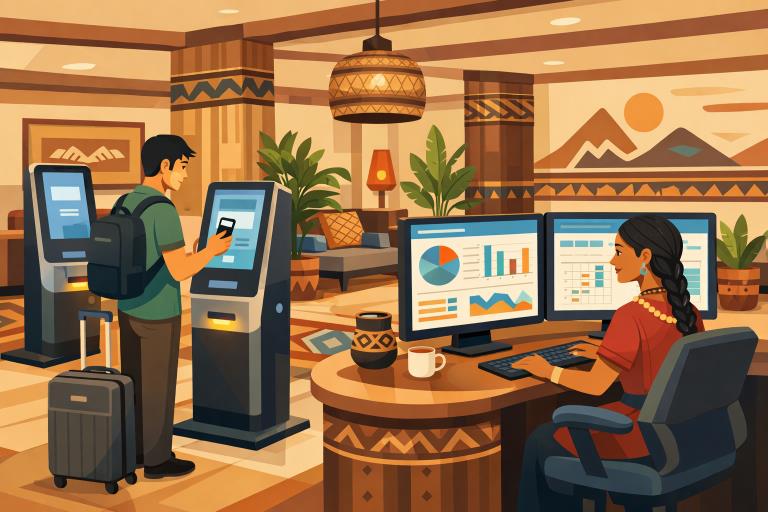
Modern tribal casinos and resorts now blend technology with tradition to create stronger connections between guests and the property. Advanced mobile solutions enable guests to skip the front desk and enter their rooms via smartphones, while AI-powered chat and support optimize 24/7 response times. These enhancements are increasingly expected in today’s market and are quickly becoming part of the core guest experience. Efficiency extends to every department, with integrated data helping managers oversee housekeeping, maintenance, and food service from a centralized dashboard. Staff can respond to guest requests in moments, and cross-departmental collaboration is dramatically improved, resulting in higher satisfaction scores and deeper guest loyalty.
Enhancing Guest Experiences Through Technology
Guests are quick to notice seamless digital touchpoints. Mobile check-in, digital room keys, and in-app messaging all appeal to tech-savvy travelers and ensure less friction at every step. Mobile check-in and contactless solutions are among the top technologies guests now expect, with personalization growing in significance. For tribal hospitality providers, these capabilities also foster stronger connections by enabling cultural programming and unique offers to be delivered directly to guests’ devices, while respecting guest preferences and privacy.
Streamlining Operations with Integrated Systems
Operational complexity is a common challenge for tribal properties that host gaming, dining, lodging, and entertainment under one roof. Property management systems (PMS) and point-of-sale (POS) applications typically run as separate entities, but integration resolves costly inefficiencies. When systems talk to each other, guest movements from the casino floor to the hotel room are tracked in real time, enabling targeted services and rapid guest assistance. Integration supports better inventory tracking, reduces manual billing errors, and cuts down on housekeeping wait times, all of which are crucial for keeping operations running smoothly.
Leveraging Data Analytics for Informed Decision-Making
Data analytics is the backbone of modern hospitality operations. Insights from guest activity, dining preferences, and reservation histories allow operators to customize offers, optimize staffing levels, and improve guest retention. Using real-time dashboards and predictive analytics, tribal hotel and casino managers can tweak promotions for upcoming events, forecast high-occupancy days, and proactively address guest needs. Data-driven decision-making has been proven to increase efficiency and guest loyalty, as demonstrated by tribal enterprises leveraging hospitality tech to strengthen community engagement and deliver tailored experiences.
Implementing Mobile Solutions for Staff and Guests
Mobility is essential for the modern hospitality workforce. Mobile apps empower staff to respond to requests on the go, update room status, and relay information instantly across departments. For guests, branded mobile apps offer one-touch room service ordering, spa reservations, and local area recommendations. Properties that invest in mobile solutions report both greater staff satisfaction and improved online reviews. See further discussion in Forbes.
Ensuring Data Security and Compliance
With increased digital adoption comes greater responsibility to protect sensitive data. Guest privacy is paramount, and operators must meet the highest standards of cybersecurity and regulatory compliance, such as PCI DSS for payment systems. Routine audits, frequent staff training, and the implementation of secure, cloud-based platforms are necessary to prevent data breaches and maintain guest trust. These robust protections ensure that technology remains an asset rather than a risk to the business.
Training Staff for Digital Proficiency
Introducing new technology is only half the equation; staff must be confident and capable in using these systems. Tribal hospitality organizations are adopting ongoing digital training programs that blend hands-on learning with e-learning modules. Proper digital training ensures that all team members can troubleshoot basic issues, provide tech support to guests, and maintain consistently high service standards. This investment pays ongoing dividends in guest satisfaction and operational stability.
Future Trends in Tribal Hospitality Technology
Looking ahead, technologies such as artificial intelligence, machine learning, and the Internet of Things are set to redefine hospitality. AI chatbots can handle common guest inquiries or late-night room service orders, while IoT sensors will detect maintenance issues before they impact guests. Machine learning algorithms may soon refine hotel pricing in real time based on guest demand and market shifts, opening new avenues for tribal operators to outperform competitors and further personalize experiences. Adopting these innovations will be crucial for those seeking to maintain leadership in the hospitality sector. Tribal hospitality is undergoing dynamic changes through digitization. Operators who embrace integrated digital platforms benefit from streamlined operations, empowered staff, and deeply personalized guest journeys. These solutions are not just advantages but essentials for staying relevant and successful in an increasingly digital marketplace.
Conclusion
Digital transformation is redefining what success looks like in tribal hospitality. By adopting integrated systems, leveraging data insights, and embracing mobile and cloud-based technologies, operators can create smoother operations while delivering the seamless, personalized experiences today’s guests expect. These key takeaways reinforce that technology is no longer optional, as it’s a central driver of efficiency, satisfaction, and long-term growth. Equally important is the balance between innovation and responsibility. Strong security practices and well-trained staff ensure that digital tools enhance, rather than complicate, daily operations. When implemented thoughtfully, these solutions empower teams, strengthen guest relationships, and unlock new revenue opportunities. As the industry continues to evolve, tribal hospitality leaders who invest in scalable, connected technologies will stand out in a competitive market. By aligning tradition with innovation, they can build memorable guest experiences while positioning their properties for sustained success in an increasingly digital future.