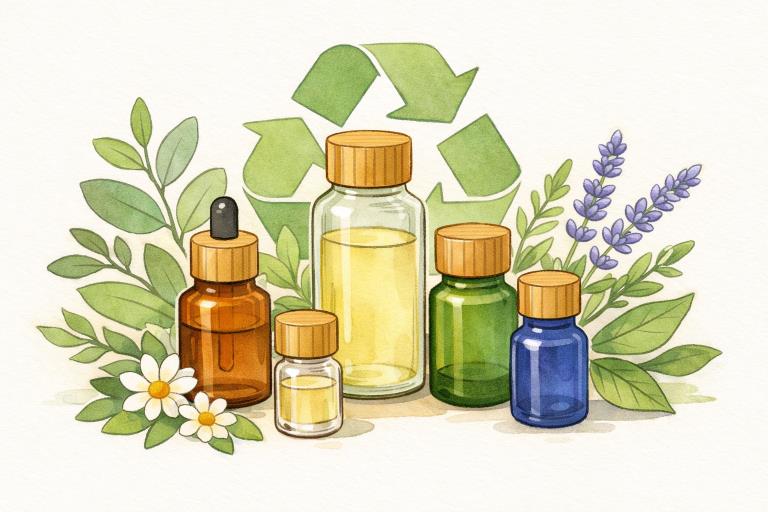
California’s essential oil industry is evolving rapidly, driven by a blend of progressive consumer values and cutting-edge packaging innovations. As shoppers grow increasingly conscious of their choices, companies are adopting approaches that prioritize ecological responsibility, modern design principles, and advanced technologies. For those seeking the best in essential oil presentation, packaging trends such as sustainable materials and body oil bottles are now defining the market, reflecting both function and style. From glass vessels capped with bamboo to minimalist design aesthetics, the packaging of essential oils has transcended simple functionality. Producers in California now carefully consider the look, feel, and environmental impact of each element, knowing that consumer preferences continue to evolve alongside heightened regulatory standards. This all-encompassing approach ensures that both the planet and the discerning user are respected at every stage. With innovations such as QR code authentication and digital interaction platforms, packaging is also being used to strengthen trust and educate buyers. The desire for eco-friendliness, transparency, and style has spurred a new wave of products that meet rigorous legal requirements while standing out on crowded shelves. In this article, we’ll explore the most notable trends and innovations shaping California’s essential oil industry today. Along with design and sustainability, safety and compliance remain key considerations. Staying ahead of regulatory measures not only protects businesses but also reassures consumers that each oil is delivered with integrity and care. The convergence of these factors sets a new standard for what effective and valuable essential oil packaging looks like in California.
- California’s essential oil market is shifting towards sustainable and eco-friendly packaging solutions.
- Innovations include the use of natural textures, minimalist designs, and smart packaging technologies.
- Compliance with regulatory standards is crucial for market success.
Sustainable Packaging Solutions
Californian essential oil producers are at the forefront of the sustainability movement, making bold changes in the way their products are packaged. The industry is embracing recycled glass, biodegradable plastics, and plant-based materials to reduce waste and minimize environmental harm. Many companies are also adopting bamboo elements, offering an even more natural look while lowering their carbon footprint. This innovation is more than aesthetic; it embodies a deeper commitment to environmental stewardship, a trend echoed across the beauty and wellness sectors in California and beyond.
Businesses that prioritize eco-friendly approaches are not only attracting eco-conscious consumers but are also securing long-term brand loyalty and regulatory goodwill. According to The New York Times, demand for sustainability in beauty and personal care packaging is steadily rising, compelling brands to innovate continuously.
Minimalist and Modern Designs
Aesthetic trends in California’s essential oil sector are clearly leaning towards simplicity and elegance. Minimalism reigns, with packaging designed with smooth lines, clean typography, and harmonious color palettes. By relying on uncluttered visuals and monochrome tones, brands can project purity and focus, which resonates strongly with consumers interested in holistic, natural wellness. The minimalist movement aligns closely with a broader “quiet luxury” philosophy, favoring substance and longevity over flashiness or ornate packaging. Brands that adopt these design principles frequently enjoy increased recognition and trust, as clear labeling communicates honesty and quality. Furthermore, such understated aesthetics can reduce unnecessary waste by cutting down on ink, plastic, and embellishment, making them both fashionable and environmentally responsible.
Smart Packaging Technologies
Packaging for essential oils is now about much more than containment; it is a dynamic interface between brand and consumer. Recent innovations involve the use of QR codes and NFC chips embedded in the caps of essential oil bottles. These smart features enable users to instantly verify authenticity, access detailed product information, and even engage with educational content and loyalty programs.
These advances cater to a consumer base that values transparency and tech integration as part of their overall shopping experience. As reported by Forbes, smart packaging is quickly becoming an expectation in many premium segments, offering significant protection against counterfeiting and enhancing user confidence.
Regulatory Compliance
Packaging compliance is non-negotiable in California, particularly given influential regulations such as the Toxic Substances Control Act (TSCA) and Proposition 65, which shape the landscape. Producers must ensure labels are clear and informative and that the chosen materials do not contain restricted substances. This not only prevents costly legal complications but also signals a commitment to ethics and consumer well-being. Many brands partner with legal advisors and testing labs to guarantee labels provide accurate content, dosage, and safety warnings. With regulators continually updating requirements, staying compliant remains an ongoing process, one that forms the backbone of trust-driven relationships with consumers.
FAQs
What are the benefits of using sustainable packaging for essential oils?
Sustainable packaging reduces waste, conserves resources, and appeals to a fast-growing segment of eco-conscious consumers. This approach can also differentiate a brand in a competitive marketplace and often leads to stronger customer loyalty.
How does minimalist design impact consumer perception?
Minimalist packaging conveys a sense of purity, modernity, and care, resonating with consumers seeking authenticity and quality. It also supports sustainability by minimizing material use.
What is smart packaging, and how does it benefit consumers?
Smart packaging leverages technologies such as NFC chips and QR codes to enhance the user experience. These features enable instant verification of authenticity, easy access to product data, and, in some cases, promotions or loyalty benefits.
Why is regulatory compliance important in essential oil packaging?
Compliance ensures consumer safety, maintains industry standards, and builds trust, protecting both customer and company from legal and reputational harm.
Are there specific materials recommended for sustainable essential oil packaging?
Common choices include recycled glass, biodegradable plastics, and various plant-based substances, all chosen for their lower environmental footprint compared to traditional packaging materials.
Conclusion
Essential oil packaging landscape reflects a powerful blend of sustainability, innovation, and consumer-focused design. Across California, brands are redefining how products are presented by embracing eco-friendly materials, clean minimalist aesthetics, and smart technologies that enhance transparency and trust. At the same time, strict adherence to evolving regulatory standards ensures both safety and credibility in a competitive market. As these trends continue to shape the industry, companies that prioritize environmental responsibility, thoughtful design, and compliance will stand out and build lasting connections with consumers. Ultimately, modern packaging is no longer just about appearance, as it is a strategic tool that supports brand identity, sustainability goals, and long-term success in California’s dynamic essential oil market.