For centuries, the Caspian Sea has held an unrivaled place in the history of black caviar. Long before modern aquaculture expanded production worldwide, this vast inland body of water was the primary source of the world’s most prized roe. Its reputation was built on a combination of natural abundance, exceptional sturgeon species, and an environment uniquely suited to producing caviar of extraordinary quality. Even today, the legacy of the region continues to shape global perceptions of premium caviar, including the demand for high-end caviar in USA markets.
At the heart of this legacy lies the Caspian Sea’s remarkable biological environment. Unlike typical oceans or freshwater lakes, it possesses a rare ecological balance that has supported sturgeon populations for millions of years. This distinctive ecosystem has played a crucial role in shaping the texture, flavor, and overall quality of the world’s most famous caviar.
The Caspian Sea’s Distinct Natural Conditions
The Caspian Sea is the largest enclosed inland body of water on Earth, covering an area of more than 370,000 square kilometers. Its immense size and geographic isolation have allowed it to develop unique environmental characteristics that are unlike any other aquatic ecosystem.
One of the most significant factors is its mineral composition. The waters of the Caspian contain a rich blend of naturally occurring minerals that influence the development of sturgeon throughout their long life cycles. These minerals contribute to both the nutritional profile of the fish and the structural quality of their roe.
Equally important is the balance of salinity within the sea. The Caspian is neither fully freshwater nor fully marine; instead, it maintains a delicate mix of salt and freshwater input from rivers such as the Volga and Ural. This unique balance creates optimal biological conditions for sturgeon growth, supporting healthy reproduction and roe formation.
The stability of these natural conditions over centuries allowed sturgeon populations to flourish, laying the foundation for the region’s legendary caviar production.
Natural Habitat of Sturgeon Species
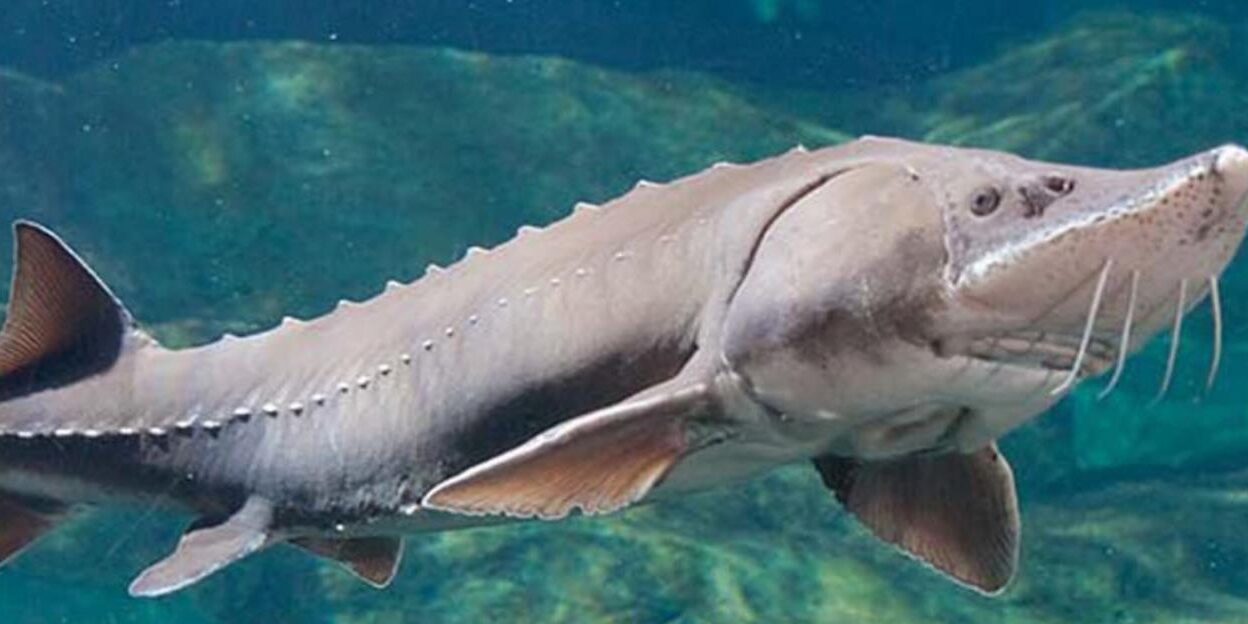
Sturgeon are among the oldest living fish species, often referred to as “living fossils” due to their evolutionary history spanning more than 200 million years. The Caspian Sea provides an ideal natural habitat for these ancient fish, offering both feeding grounds and spawning routes.
Migration patterns play a crucial role in their lifecycle. Many sturgeon species spend years in the open waters of the Caspian before migrating into freshwater rivers to reproduce. These seasonal migrations ensure genetic diversity and contribute to the health of sturgeon populations.
Another defining characteristic of sturgeon is their exceptionally long maturation cycle. Some species require more than a decade before reaching reproductive maturity. This slow growth process allows the roe to develop gradually, contributing to its complex texture and flavor.
Sturgeon are also highly sensitive to environmental conditions. Water purity, temperature stability, and nutrient availability all directly influence their health and reproductive success. The Caspian’s relatively stable ecosystem historically provided ideal conditions for maintaining these delicate balances.
How Water Chemistry Influences Caviar Taste
The unique chemistry of the Caspian Sea plays a direct role in shaping the taste and texture of its caviar. Minerals dissolved in the water are absorbed by sturgeon throughout their lives, influencing the development of their roe at a microscopic level.
One of the most noticeable effects is on texture. Mineral-rich environments contribute to the formation of firm egg membranes, giving premium caviar its signature “pop” sensation when eaten. This structural integrity is a hallmark of high-quality roe.
Nutritional availability also plays a significant role. The diverse ecosystem of the Caspian provides abundant natural food sources, allowing sturgeon to maintain balanced diets. This contributes to the smooth, creamy consistency and subtle richness that define authentic Caspian caviar.
Flavor development is another key factor influenced by water chemistry. The delicate balance of salinity and mineral content produces roe with complex flavor profiles, often described as buttery, nutty, and slightly briny without being overpowering.
These natural elements work together to create the distinctive taste that has long set Caspian caviar apart from all other varieties.
Key Sturgeon Species of the Caspian
The Caspian Sea is home to several iconic sturgeon species, each contributing unique characteristics to the world of caviar.
Beluga sturgeon is the most famous and produces the largest and most delicate eggs. Beluga caviar is known for its exceptionally smooth texture and refined buttery flavor, making it one of the most sought-after delicacies in the world.
Osetra sturgeon produces medium-sized roe with remarkable flavor complexity. Its eggs range in color from dark brown to golden tones and are often praised for their nutty undertones and balanced salinity.
Sevruga sturgeon, though smaller in size, produces intensely flavored caviar with a more pronounced marine character. Its smaller eggs deliver a bold taste that appeals to experienced connoisseurs.
Together, these species define the diversity and richness of the Caspian caviar tradition.
Ecological Changes and Their Impact on Flavor
Despite its historical abundance, the Caspian ecosystem has faced significant environmental challenges in recent decades. Overfishing, industrial pollution, and habitat disruption have all contributed to declining wild sturgeon populations.
These ecological pressures have influenced both the availability and characteristics of traditional Caspian caviar. Reduced natural habitats and environmental stress can affect fish health and roe quality.
In response, extensive conservation measures have been implemented. International regulations now limit wild harvesting, while breeding programs aim to restore sturgeon populations. These efforts are critical for preserving both biodiversity and the historical legacy of Caspian caviar.
Modern aquaculture has also adapted to replicate natural conditions. Controlled farming environments strive to mimic the mineral balance and water chemistry of the Caspian Sea, allowing producers to maintain consistent quality while reducing environmental impact.
Conclusion
The exceptional quality of Caspian caviar is deeply rooted in the region’s unique ecosystem. From its mineral-rich waters and balanced salinity to its ideal habitat for ancient sturgeon species, every aspect of the Caspian environment contributes to the distinctive flavor and texture of its roe.
Although ecological challenges have transformed the industry, the legacy of the Caspian Sea remains unmatched. Its natural conditions continue to serve as the global benchmark for premium caviar production, reminding us that true culinary excellence begins with the environment itself.