Key Takeaways
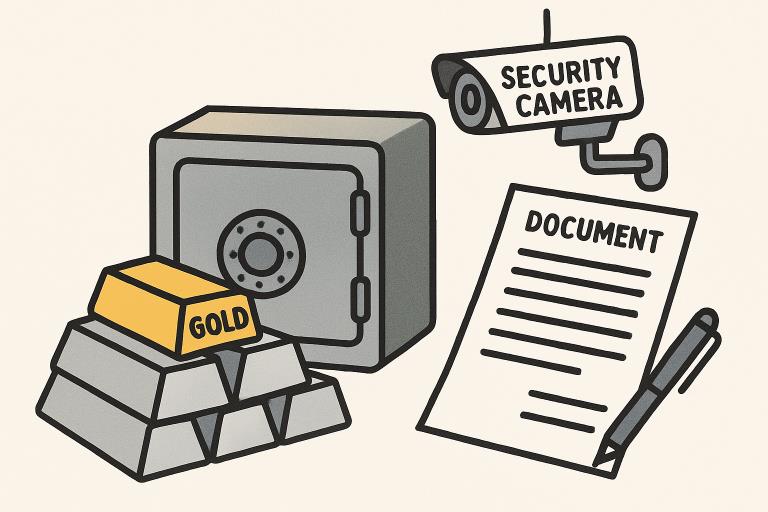
- Secure storage is crucial for protecting precious metals from theft, damage, and environmental risks.
- Options include home safes, bank boxes, or professional vaults, each with trade-offs in security and access.
- Use robust security, careful handling, and accurate records to maintain value and support insurance claims.
- Ensure proper insurance coverage and perform regular inspections.
- Stay informed through learning, professional advice, and investor communities to safeguard assets effectively.
Physical precious metals like gold and silver serve as reliable hedges against market volatility, but safeguarding them requires careful planning. Where and how you store and handle your investments can have a major impact on their security and long-term preservation. Partnering with industry professionals such as Preserve Gold can provide you with expert guidance as you protect your holdings.
Choosing the right storage solution, establishing robust security protocols, and following best handling practices will not only protect your precious metals from theft but also help maintain their value. These precautions ensure confidence that your assets are shielded from physical and environmental threats.
The approach you take to storage should match your unique needs and comfort levels. Whether you prefer direct access at home, bank containment, or professional vault services, understanding every option is critical before deciding where your metals belong. Each investor faces a slightly different situation, but these actionable steps can help any precious metals holder ensure optimal protection and preservation for the future.
Choose the Right Storage Option
When it comes to storing precious metals, selecting an appropriate solution is the foundation of security. Assess your risk tolerance, accessibility needs, and the quantity of metals you plan to secure. The most common storage avenues include:
- Home Safes:A fireproof, securely mounted home safe is a practical option for immediate access. Choose a safe with an advanced locking mechanism, and keep its location discreet within your home.
- Bank Safe Deposit Boxes:Banks offer a higher level of protection and advanced security protocols, but access to your items is typically restricted to operating hours. Additionally, bank insurance rarely covers the contents of safe deposit boxes, so external coverage is needed.
- Professional Vault Services:These providers combine the highest security standards with comprehensive insurance, around-the-clock monitoring, and climate control. While this comes at a higher cost, many investors value the peace of mind that professional vaults provide.
Be sure to weigh convenience against the level of protection needed, as each storage method comes with trade-offs between access, security, and insurance coverage.
Implement Robust Security Measures
If you store precious metals in your home, never skimp on comprehensive security. A multi-layered approach sharply reduces the risk of loss and discourages opportunistic theft. Effective strategies involve:
- Alarm Systems:Choose a reliable home security system with continuous monitoring to quickly alert authorities in the event of an intrusion.
- Surveillance Cameras:Place security cameras at all entry points and in areas where metals are stored to enhance evidence collection.
- Discretion:Limit discussions about your precious metal investments. Sharing these details carelessly can increase your risk profile and make you a target.
The goal is to use multiple layers of security to achieve maximum deterrence and rapid response in any scenario.
Handle with Care
Careful handling is essential to preserving the appearance and resale value of physical precious metals. Even fingerprints and micro-scratches can diminish market desirability, particularly for coins and bars.
- Use Gloves:Always wear clean cotton gloves when inspecting your metals to avoid leaving behind oils or dirt.
- Avoid Direct Contact:If gloves are unavailable, touch coins and bars only at the edges. This prevents visible smudges and protects delicate surfaces from contact.
- Clean Properly:If cleaning is required, gently wipe with a soft, non-abrasive cloth. Avoid abrasive chemicals or rough materials, as they can leave permanent marks and reduce value.
Proper handling is essential for maintaining the pristine quality that makes precious metals a resilient long-term store of wealth.
Maintain Accurate Records
An organized recordkeeping process proves invaluable if you need to file an insurance claim, prove ownership, or track your performance. Your records should include:
- Inventory Lists:Log exact quantities, purchase dates, serial numbers, and storage location details.
- Photographic Evidence:Clear, high-resolution photos of each bar or coin can confirm authenticity and condition.
- Secure Documentation:Keep digital and physical copies of your records in separate, secure locations to minimize the risk of total loss.
Insure Your Investment
Whether at home, the bank, or a professional vault, insurance is your backup against events you cannot control. Standard homeowner’s policies typically exclude precious metals or offer only minimal coverage. Consider:
- Home Storage:Review your policy details and obtain additional riders or specialty coverage for your metals.
- Bank Storage:If you prefer safe deposit boxes, understand that banks rarely insure contents without a third-party policy.
- Professional Vaults:Most vault providers include insurance in their service. Examine the policy carefully to confirm coverage limits and exclusions.
Never assume full coverage. Confirm your protection, update it as your holdings grow, and maintain detailed records to support any future claims.
Regularly Inspect Your Holdings
Frequent checks offer reassurance that your assets are untampered and in optimal condition. During inspections, look for:
- Physical Examination:Check for indicators of wear, tarnish, or unauthorized access.
- Environmental Controls:Maintain dryness and stable temperatures to prevent damage caused by humidity or corrosion.
- Security Systems:Routinely test alarm systems and cameras to ensure continued operation.
Continuous monitoring provides immediate awareness of discrepancies or threats, making it easier to correct problems before losses occur.
Consider Professional Storage Solutions
For investors seeking the highest level of security, professional vaults offer unmatched safety and fully insured, climate-controlled environments. They provide:
- Advanced Security:Features like biometric access, real-time monitoring, and redundant protections.
- Comprehensive Insurance:Full policies designed specifically for precious metals stored on-site.
- Convenient Access:Flexible viewing schedules and digital portfolio management.
Reputable professional storage can eliminate many of the hassles and risks associated with self-directed options.
Stay Informed and Vigilant
The landscape of precious metal investment is always evolving, and staying current is crucial. Consider:
- Continued Learning:Engage regularly with new guidance on storage, security technologies, and regulatory changes.
- Join Investor Communities:Peer forums, online groups, and local meetups often provide practical insights and support.
- Professional Consultations:Engage with vetted security specialists or asset managers as your portfolio grows or changes.
Informed vigilance is one of the most powerful tools an investor can have to secure physical assets and adapt to emerging threats or opportunities.
By putting these proven methods into action, you ensure the longevity, safety, and value retention of your precious metals holdings for years to come.