Key Takeaways
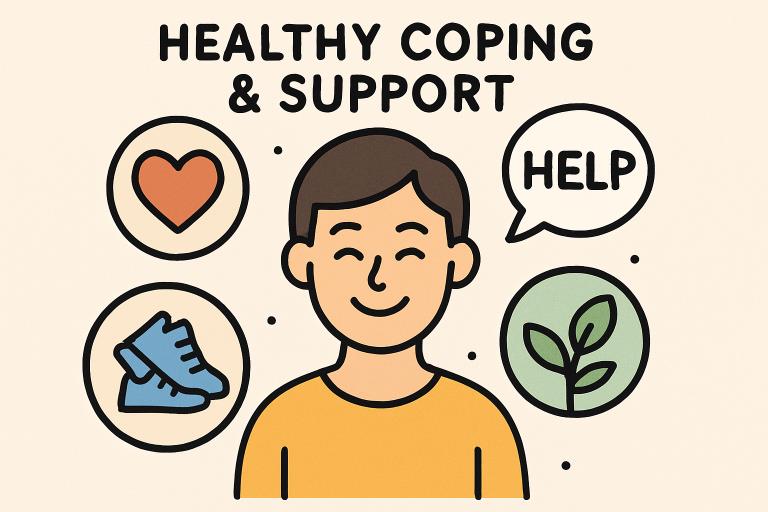
- Identify and understand your stressors to manage them proactively.
- Incorporate mindfulness and relaxation techniques to reduce stress.
- Engage in regular physical activity to boost mood and resilience.
- Build a strong support network for emotional support and guidance.
- Maintain a balanced lifestyle with proper nutrition and sleep.
Every day life presents individuals with a range of challenges, from minor frustrations to more significant stressors. Developing healthy coping skills is crucial for handling these moments effectively and sustaining long-term emotional well-being. By learning to identify your stressors, adapt proven strategies, and build a reliable support system, you can enhance your resilience and respond to life’s demands constructively. If you ever feel that your struggles require a higher level of care, exploring an Inpatient Mental Health Facility in Pompano Beach could be a wise step toward regaining emotional balance and support.
Healthy coping skills go beyond simple distraction; they are about directly addressing the issues at hand while nurturing your mental health. Whether you’re facing work deadlines, family conflicts, or changes in your routine, equipping yourself with these tools can foster a greater sense of control and optimism, even during difficult times. When practiced regularly, these coping strategies can transform how you navigate daily pressures, keeping you mentally strong and less vulnerable to burnout.
It is important to remember that achieving emotional stability and resilience is a continuous journey. By introducing small yet practical routines into your life, you lay a foundation that makes it easier to handle stress and recover from setbacks. Small daily choices accumulate, contributing significantly to your overall mental health.
Being proactive about your mental well-being is not only self-care but also a necessity in today’s fast-paced world. Every step you take toward understanding and improving your coping mechanisms adds up, empowering you to thrive even amidst uncertainty.
Understanding Your Stressors
The journey toward healthier coping begins with recognizing what triggers your stress. By keeping a journal or using a notes app to log situations or environments that cause discomfort, you can begin to identify patterns in your reactions. This increased self-awareness allows you to preemptively address stressors with targeted strategies, rather than simply reacting in the moment. Early identification enables you to redirect your response and prevent the escalation of stress.
Practicing Mindfulness and Relaxation
Mindfulness is not just a buzzword; it is an evidence-based practice that helps individuals stay present and minimize worries about the past or future. Tactics such as deep breathing, meditation, and progressive muscle relaxation are easy to learn and can be practiced almost anywhere. Even integrating five minutes of mindfulness exercises into your day can calm your mind, regulate your emotions, and improve your ability to cope. For more on mindfulness techniques, check out the Mayo Clinic’s meditation overview.
Engaging in Regular Physical Activity
Exercise is a foundational pillar of stress management. Physical activity releases endorphins, the brain chemicals linked to reducing stress and boosting happiness. The form of activity does not matter as much as consistency and enjoyment. Walking, dancing, yoga, or strength training are all effective. Regular movement relieves tension, improves sleep, and can even lead to heightened creativity and problem-solving ability. The benefits of exercise extend well beyond just the physical realm, supporting both emotional and cognitive health.
Building a Strong Support Network
Human connection is a powerful antidote to stress. Cultivating relationships with empathetic, trustworthy, and supportive people creates a safe space to share your thoughts and feelings. Friends, family, or even support groups can offer both perspective and support during difficult times. Simply knowing you are not alone in your struggles instantly reduces isolation and helps you to feel grounded. Having a support network in place makes it easier to seek advice and process experiences constructively.
Maintaining a Balanced Lifestyle
Healthy coping depends greatly on how you care for your body. Eating a diet rich in fruits, vegetables, whole grains, and lean proteins fuels your brain and balances your mood. Getting enough sleep, typically between 7 and 9 hours a night, is critical for processing stress and restoring energy. Avoid relying on substances or unhealthy habits as quick fixes. Instead, cultivate balanced routines that nourish your body and mind, helping you stay resilient in the face of new challenges. Routine blood sugar management, hydration, and breaks from digital devices all support your emotional stability.
Seeking Professional Help When Needed
Some stressors can feel overwhelming, even with strong coping mechanisms. If you find yourself unable to manage intense emotions or if your routine stress coping strategies are not working, professional support can make a significant difference. Qualified therapists or counselors can guide you through confusing feelings, provide new coping tools, and offer nonjudgmental support. There is no need to wait for a crisis to seek this help. Accessing professional care ensures you are not navigating life’s biggest hurdles alone and can restore your sense of hope and agency.
Developing a Consistent Routine
Healthy routines provide structure and predictability, reducing anxiety and creating a sense of normalcy. Wake up and go to bed at roughly the same times each day, plan healthy meals, incorporate movement, and set aside time for self-care. Even small routines, such as making your bed in the morning or journaling for a few minutes each night, instill a sense of accomplishment and stability. Over time, these patterns make it easier to manage life’s chaos by reinforcing a sense of control and grounding.
Practicing Gratitude and Positive Thinking
Maintaining a gratitude journal is more than a feel-good exercise; it has been shown to shift focus away from negative thinking and help buffer against stress. Write down a few things each day that you appreciate, no matter how modest. This ongoing practice helps you recognize small wins, recall joys during hard times, and foster a more positive outlook on life. Focusing on gratitude, optimism, and positive self-talk can deepen your resilience and make it easier to recover from setbacks. For additional guidance, review this practical advice from Psychology Today on gratitude.
Coping with life’s daily challenges does not require perfection, but it does ask for patience, persistence, and kindness toward yourself. By nurturing healthy coping mechanisms, you lay the groundwork for emotional health and meaningful growth, no matter what tomorrow may bring.