Achieving a radiant smile is a common goal for many people who wish to boost their confidence and improve their overall appearance. With numerous products and professional treatments available, it is essential to understand precisely how teeth whitening works and what methods are genuinely effective. Exploring the underlying science can help you make choices that not only enhance your smile but also protect your long-term oral health.
Whether you are considering home whitening kits or in-office dental treatments, a fundamental understanding of the process helps you set reasonable expectations and select the best approach. The teeth whitening industry continues to evolve, with advances aimed at achieving better results and reducing sensitivity. By learning what causes discoloration and how whitening agents work, you can avoid common pitfalls and maximize the longevity of your results.
Understanding Tooth Discoloration
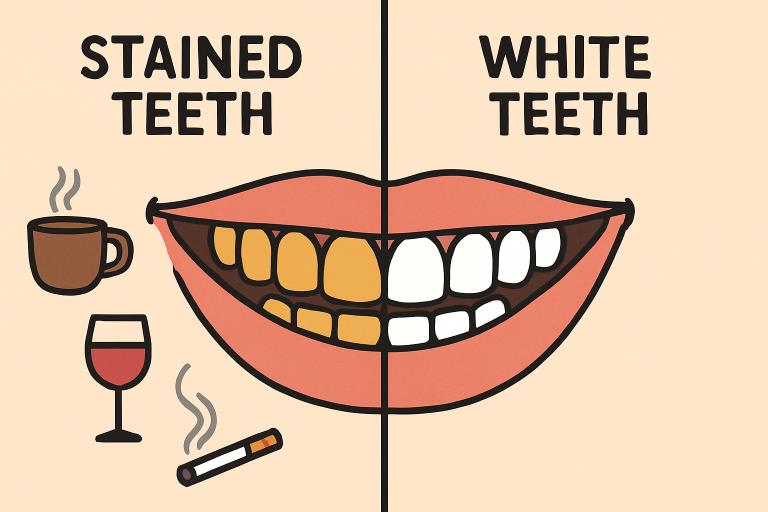
Tooth discoloration can result from numerous factors, both controllable and uncontrollable. Diet plays a significant role; drinks like coffee, tea, and red wine, as well as certain foods, can lead to surface staining. Smoking and tobacco use are well-known culprits that produce stubborn extrinsic stains on the enamel. Additionally, as people age, the enamel thins, allowing the yellowish dentin underneath to become more visible.
Discoloration can be categorized as extrinsic (surface stains) or intrinsic (stains within the tooth structure caused by genetic factors, trauma, medications, or excessive fluoride). Correctly identifying the type of discoloration is essential because some stains respond better to whitening treatments than others. A dental professional can help determine the best approach for your specific case.
Mechanisms of Teeth Whitening
The most common approach to teeth whitening involves bleaching agents such as hydrogen peroxide or carbamide peroxide. When these chemicals are applied, they break down into oxygen molecules, which penetrate the enamel and react with stain-causing compounds through a process called oxidation. This reaction breaks the chemical bonds in pigments, effectively brightening the tooth from the inside out without damaging its structural integrity.
Both intrinsic and extrinsic stains can be lightened, though the depth and nature of the stain determine the degree of success. Products available over the counter typically have lower peroxide concentrations, making them safe for home use but less potent. In-office treatments utilize stronger solutions, offering more dramatic changes in a shorter time.
Professional vs. Over-the-Counter Whitening
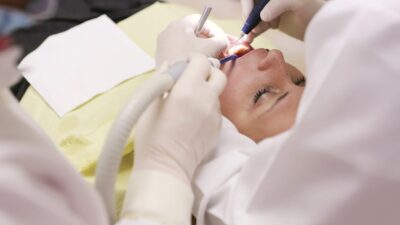
Professional whitening treatments performed by dentists deliver some of the most effective and fastest results, mainly due to the higher strength of bleaching agents and the use of customized trays that ensure even application. These treatments are tailored to individual needs and supervised to monitor any potential side effects or sensitivities.
On the other hand, over-the-counter whitening products, such as strips, gels, or toothpaste, are accessible and affordable. These products use lower concentrations of active ingredients and often take more time and careful application to see results. While they can be helpful for minor stains and maintenance, they may not achieve the depth of whitening possible with professional care. The American Dental Association provides a useful breakdown of common teeth whitening options and safety tips.
Light Activation in Whitening Treatments
Some advanced professional whitening treatments use light or laser activation to accelerate the bleaching process. Specific wavelengths of light, often in the blue spectrum, are directed at the teeth after the application of a whitening gel. The light acts as a catalyst, accelerating the release of oxygen from the bleaching agent and enhancing stain removal.
While some studies point to faster visible results with light-activated systems, the long-term improvement compared to non-light methods can be minimal. It’s wise to consult your dentist about the best options, as not every technique is necessary or suitable for all types of stains or patient sensitivities.
Managing Sensitivity During Whitening
Tooth sensitivity is the most common side effect associated with whitening procedures. This sensation can range from mild discomfort to sharp pain, particularly when consuming hot or cold items. To minimize sensitivity, use desensitizing toothpaste containing potassium nitrate or fluoride, limit the duration and frequency of whitening sessions, and avoid consuming highly acidic, hot, or cold products during treatment.
If sensitivity persists, consult your dentist, who can recommend products that mitigate discomfort or adjust your treatment plan accordingly. Proactive measures can make the whitening experience more comfortable and sustainable for sensitive teeth.
Maintaining Whitening Results
To preserve your new smile, practice diligent oral hygiene by brushing twice daily, flossing, and scheduling regular dental cleanings. Reducing your intake of foods and drinks known to stain enamel will also help prolong the effects of your whitening treatment. Smoking cessation is equally critical for avoiding new stains and promoting oral health.
Using a straw for darker beverages, rinsing your mouth with water after consuming stain-prone items, and scheduling professional cleanings can significantly extend the life of your whitening results. Mayo Clinic offers additional oral hygiene tips to support your efforts.
Debunking Common Whitening Myths
With a growing interest in at-home whitening methods, misinformation is rampant. Charcoal toothpastes, for example, are often claimed to be natural whiteners. However, research provides little evidence to support these claims, and some studies caution that abrasive charcoal can damage enamel and increase sensitivity. Other common myths, like lemon juice or baking soda as safe alternatives, can actually erode enamel and worsen discoloration over time.
Relying on scientifically proven products and consulting a dental professional is the safest way to achieve and maintain a healthy, bright smile.
Conclusion
Understanding exactly how teeth whitening works empowers you to make well-informed decisions about your oral health and aesthetic goals. By recognizing the causes of stains, learning about modern whitening technologies, and adopting recommended maintenance habits, you can enjoy a brighter and more confident smile that stands the test of time. Always seek advice from a dental professional to find the method that best suits your needs and ensures the safest and most effective results.