Key Takeaways
- Mortgage Rates:Expected stabilization around 6% could help more buyers qualify and afford homes. This newfound predictability in the lending climate is likely to lure many first-time buyers back into the market, while seasoned buyers may consider upgrading or expanding investment portfolios.
- Home Prices:Modest growth near 1.2% suggests the market is normalizing rather than overheating. Steady gains reassure sellers yet afford buyers a break from the extreme bidding wars of previous years.
- Inventory Levels:Expanded listings will offer more choices for prospective buyers. As availability improves, the process of finding a suitable home may become less stressful and more competitive for a wider range of buyers.
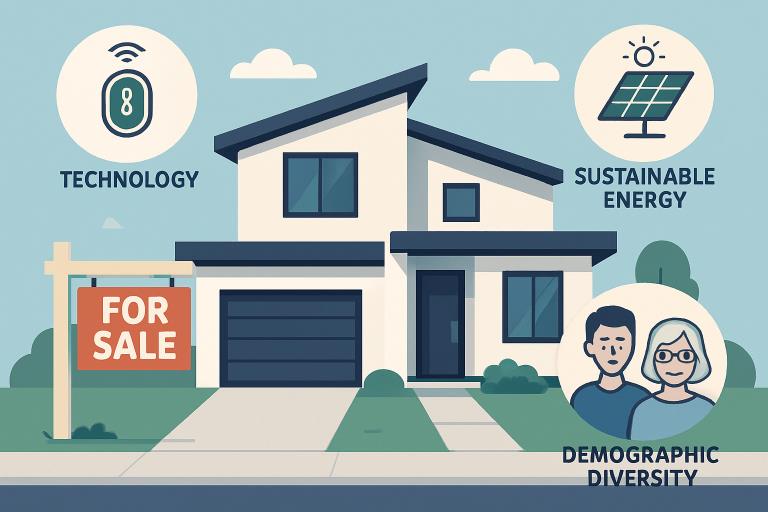
- Demographic Shifts:Millennials and Gen Z are leading demand, influencing the types and locations of new developments. Their preferences for walkable neighborhoods, proximity to amenities, and sustainable options will shape urban and suburban planning.
- Technological Integration:Smart home features and energy efficiency standards are expected in most new builds. These elements not only improve convenience and security for homeowners but can also enhance property values and marketability.
As 2026 approaches, the real estate market is entering a phase of notable transformation. Whether you’re considering buying your first home, investing in property, or preparing to sell, a solid understanding of the latest and emerging trends can place you in a stronger position to make strategic, well-informed decisions. Rising interest from Millennials, rapid advancements in home technology, and shifting migration patterns are all redefining what it means to succeed in today’s housing market. For those considering options like Tucson homes for sale or exploring opportunities in other hot markets, staying ahead of these trends has never been more critical. Knowing what to expect helps buyers maximize their purchasing power and assists sellers in optimizing timing and marketing tactics. Ultimately, a deeper market awareness gives participants a competitive edge.
The real estate market landscape is shaped by stabilized mortgage rates, moderate home price increases, and increased inventory, which in turn affects buyer and seller strategies. Homebuyers can budget better, while sellers can set realistic home values and timelines. Understanding regulatory shifts and federal guidelines is crucial, particularly regarding sustainable building practices and technology adoption, which influence buyer preferences. Local economic changes, such as zoning regulations and tax credits, can alter demand for properties. Experts recommend that buyers and sellers conduct early research to leverage favorable trends and prepare for opportunities in 2026.
Stabilizing Mortgage Rates
After an extended period of rate volatility, experts expect mortgage rates to settle around 6% in 2026. This leveling off will make homeownership more achievable, encouraging buyers who may have previously been priced out of the market to reconsider entering the market. Steady mortgage rates are a foundational element for market confidence. When rates are predictable, buyers gain clarity on what they can afford, and sellers can gauge demand more reliably. This equilibrium helps fuel a healthier flow of transactions as uncertainty is diminished, making both parties more willing to negotiate and commit. Furthermore, the predictability of rates allows lenders to craft competitively priced products and helps first-time buyers budget for their loan over the life of the loan.
Modest Home Price Growth
Home prices, which saw dramatic increases over recent years, are projected to rise at a slower pace in 2026, averaging about 1.2%. Such moderation points to a healthier and more sustainable housing market. Economists from Zillow and the Mortgage Bankers Association believe this modest uptick can improve affordability without negatively affecting homeowner equity. The new price dynamic will encourage a wider class of buyers to participate, from young professionals to retirees looking to downsize or relocate. For current homeowners, steady appreciation preserves wealth while lessening fears of overextension and price bubbles. As sellers enjoy ongoing equity gains, buyers are less likely to be priced out of the market, ensuring demand remains robust and distributed.
Increasing Inventory Levels
One of the biggest shifts in 2026 is expected to be the availability of more housing inventory across most regions of the country. As the so-called “lock-in effect” lessens, where homeowners hesitate to sell because they wish to keep their historically low interest rates, more existing homes are slated to hit the market. Developers, spurred by rising demand and friendlier credit conditions, are also poised to complete more new construction projects, helping stabilize the supply-and-demand balance. This change means that buyers can be more selective and may have room to negotiate. For sellers, more inventory means sharper pricing, and enhanced home staging efforts could become more important, but it also means a larger pool of motivated buyers. As the market sees more turnover, both parties are better equipped to find a match that aligns with their goals.
Demographic Shifts Influencing Demand
Millennials and, increasingly, members of Generation Z are shaping new patterns in homebuying. These groups often prioritize urban access, sustainability, and modern amenities when searching for homes, affecting where developers build and how neighborhoods evolve. The National Association of Realtors forecasts that demographic shifts will dramatically change who enters the market and what they are looking for in 2026. Millennial buyers, many of whom are entering their peak earning years, prioritize walkability, shared amenities, flexible living spaces, and proximity to workplaces and entertainment. Members of Gen Z, already entering the homebuying market, are expected to raise demand for technologically advanced, sustainable, and multifunctional homes. Together, their influence will continue to drive innovation in both urban and suburban housing offerings nationwide.
Technological Integration in Homes
The prevalence of smart home technology is rewriting the list of must-have features for many buyers. Automation, like smart thermostats, security systems, and voice-activated lighting, has become common in new construction and remodels. For sellers, integrating such features can make a property stand out and command a premium, especially among tech-savvy buyers. The convenience, energy savings, and added security appeal to a broad range of ages and backgrounds, from busy families to tech-loving individuals. As remote and hybrid work arrangements continue, smart features that improve home offices, high-speed internet connectivity, and integrated workspaces are set to be non-negotiables for a segment of the market. Ultimately, homes that can easily adapt to evolving lives and lifestyles gain a considerable edge.
Regional Variations and Migration Patterns
Migration trends are increasingly influencing the market. From December 2024 through early 2026, about 27% of homebuyers looked to move beyond their local metro area. States like Florida, Arizona, North Carolina, South Carolina, and Tennessee are magnets for relocators, while others, including California and New York, are experiencing net population losses. These shifts reflect cost-of-living considerations, climate preferences, and the remote work revolution. As more people untether from traditional workplaces, they’re prioritizing affordability, outdoor recreation, and better weather over proximity to legacy job centers. These inter- and intra-state movements have far-reaching impacts on local economies, school districts, infrastructure needs, and even the political landscape.
Environmental Considerations
Homebuyers are placing new emphasis on sustainability and green features. Solar panels, energy-efficient appliances, improved insulation, and the use of sustainable construction materials are now standard expectations for many buyers. This growing priority reflects not only environmental concern but also the desire to lower monthly utility costs, reduce carbon footprints, and increase long-term property value. Publications such as The New York Times’ Real Estate section have reported a surge in buyer interest in eco-friendly homes and neighborhoods. As local governments introduce new incentives for energy-efficient upgrades, these features will become even more accessible. Buyers should look for certifications and incentives, while sellers can highlight these upgrades to set their properties apart.
Conclusion
The real estate market in 2026 will offer new opportunities and challenges for both buyers and sellers. Market stability, more inventory, and greater technological and ecological standards are poised to give all parties more options, along with new considerations. Stakeholders aiming for the best financial and personal outcomes should engage in ongoing market research and align their strategies with emerging trends. This will ensure not only a successful transaction but also a fulfilling long-term investment in a rapidly changing market.