Visitors and long-term residents know that Richardson, Texas, is a city that has a unique blend of technological innovation with a warm, community-focused lifestyle. Whether you are a student at UT Dallas, a professional working in the tech sector, or a retiree enjoying a performance at the Eisemann Center for the Performing Arts, it’s important to maintain your oral health.
If you have a tooth that’s damaged due to decay or injury, a dental crown is often the first recommendation. The process of receiving a crown can involve two steps: a temporary crown and a permanent crown. If you are searching for “a dentist near me” to repair a fractured tooth, understanding the steps will help you with your recovery. Finding a dedicated dentist in Richardson, TX, ensures that your dental restoration is handled professionally from start to finish.
The goal is simple: keep your natural smile without pain. However, as we age or experience illness, teeth are subjected to wear, tear, and decay. When a dentist is needed for dental crowns, understanding the type of dental work you need is important. A dedicated dentist needs to provide care that helps patients of all ages protect their oral health.
What is a dental crown?
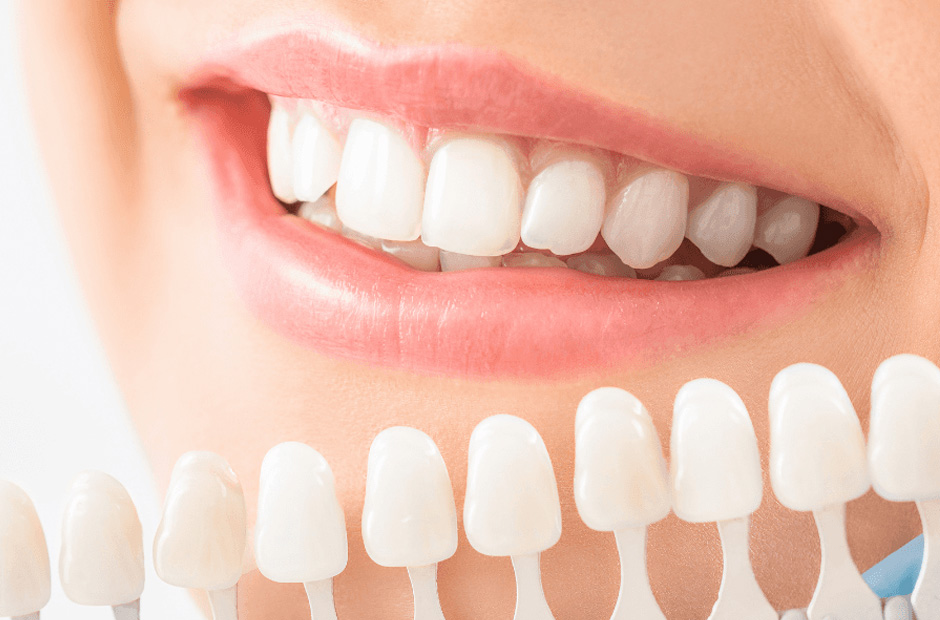
A dental crown is a custom-fitted cap that is placed over a tooth to restore its shape, size, strength, and appearance.1 Crowns are a restorative dental tool that helps patients of all ages restore their smiles. From a teenager who chipped a tooth playing sports at Breckinridge Park to a senior needing to protect a tooth after a root canal, crowns help keep your smile strong.
Once your crown is cemented into place, you will no longer see the tooth beneath it. The crown sits just above the gumline. Crowns protect weak teeth from breaking and can hold together parts of a cracked tooth.1
The role of the temporary crown
Your permanent crown is a customized piece. It usually takes a dental laboratory one to two weeks to fabricate. During this waiting time, your Richardson dentist will provide you with a temporary crown.
Why do you need a temporary crown?
- Protection: Your dentist shapes your tooth so that, when the permanent crown is ready, the next appointment is quick. The temporary crown protects the natural tooth from sensitivity to hot and cold temperatures.
- Space maintenance: Teeth can shift to open spaces. The temporary crown prevents your teeth from shifting.
- Function: You can continue to eat and smile while you wait for the permanent crown.
Temporary crowns are typically made of acrylic or composite resin and are held in place with temporary cement. Dentists use these materials as they’re easy to remove from your teeth.
The transition to the permanent crown
Permanent crowns are designed to be used for years. Unlike the temporary version, a permanent crown is built for durability.
- Material and strength: Permanent crowns are made from high-quality materials, such as porcelain-fused-to-metal, all-ceramic, or zirconia. You want your crown to look like your natural teeth.
- Custom fit and comfort: Your dentist in Richardson, TX, uses digital impressions or traditional molds to ensure the permanent crown aligns perfectly with your bite. A proper fit is important to prevent bite issues, which can lead to jaw pain or headaches over time.1
- Longevity: With proper care, a permanent crown can last between 10 and 15 years, and often much longer. Because it is held in place with permanent, medical-grade dental cement, it becomes a stable and integral part of your mouth.1
Care and maintenance for Richardson residents
Inclusive dental care involves educating patients on how to protect their investments. Whether you are currently wearing a temporary crown or have just received your permanent dental crown, here are a few important things to remember:
- While wearing a temporary crown: Be gentle when flossing. Rather than pulling the floss back “up” through the teeth, pull it through the side to avoid “popping” the temporary crown.
- With a permanent crown: Treat it like a natural tooth. Brush twice a day with fluoride toothpaste and floss daily. While the crown itself cannot decay, the natural tooth structure underneath and the surrounding gumline can still contract diseases.
- Professional monitoring: Regular checkups at your local Richardson dentist’s office allow your dental team to monitor that your dental crown meets the gumline and remains sealed and healthy.
Restore your confidence
Whether you are grabbing a quick lunch at CityLine or spending an afternoon at the University of Texas at Dallas campus, your smile brings confidence. Understanding the transition from a temporary to a permanent crown can help you make informed decisions about your oral health. If you have a tooth that feels weak or is causing pain, reach out to a dentist today.