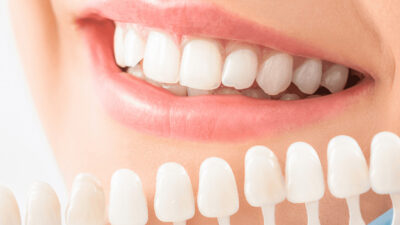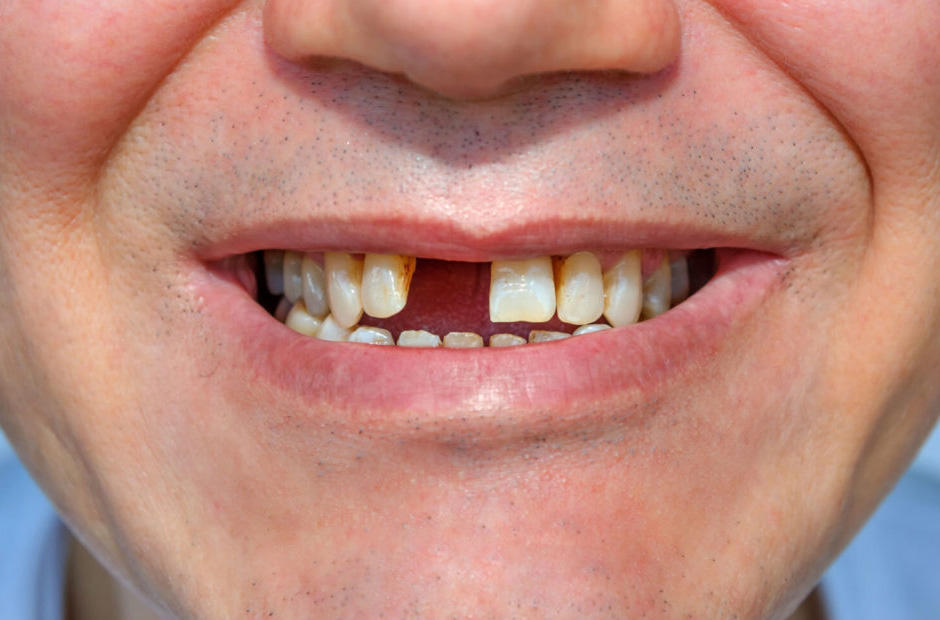
When most people think about a missing tooth, their mind immediately jumps to the cosmetic impact. It’s natural to worry about a gap in your smile, especially if it’s in a visible area. We live in a culture that values a bright, straight set of teeth, and losing one can be a significant blow to self-esteem. You might find yourself smiling with your lips closed, covering your mouth when you laugh, or even avoiding social situations altogether.
The Confidence Factor: Why Appearance Matters
While we are focusing on health, we cannot dismiss the psychological impact of tooth loss. Your smile is often the first thing people notice about you. It is a tool for communication, a sign of warmth, and a major component of your facial identity. When that identity is compromised, it can lead to social anxiety and withdrawal from public interaction.
Replacing a tooth restores the symmetry of your face and the brightness of your smile. But there is a structural component to aesthetics as well. Your teeth support your lips and cheeks. When teeth are missing, the skin around the mouth can lose that support, causing it to sag and wrinkle. This often results in a “collapsed” look that can make a person appear significantly older than they actually are. By filling the gap, you aren’t just fixing a smile; you are supporting your facial structure and maintaining a more youthful appearance.
Functionality: The Mechanics of Eating and Speaking
Teeth are tools. Incisors cut, canines tear, and molars grind. When you lose a tooth, you lose a specific tool from your kit, which forces the remaining teeth to work overtime. This might seem manageable at first, but it disrupts the harmony of your bite.
Digestion Starts in the Mouth
Digestion doesn’t begin in the stomach; it starts the moment you take a bite. Thoroughly chewing food is essential for proper digestion and nutrient absorption. When you are missing teeth, particularly molars, you may find yourself unable to chew difficult foods like fibrous vegetables, nuts, or meats.
Over time, this often leads to dietary changes. People with missing teeth tend to opt for softer, more processed foods that are easier to eat but often lower in nutritional value. This shift can lead to vitamin deficiencies and gastrointestinal issues, simply because the stomach is working harder to break down larger chunks of food.
The Impact on Speech
Teeth also play a vital role in speech articulation. Sounds like “th,” “f,” “v,” and “s” require contact between the tongue and teeth. A gap can cause a lisp or a whistling sound when speaking, which can be frustrating and embarrassing. Replacing the tooth restores your ability to articulate clearly, allowing you to speak with confidence in professional and personal settings.
The Silent Threat: Bone Resorption
One of the most critical, yet least understood, consequences of tooth loss is bone resorption. Your jawbone is a “use it or lose it” tissue. It maintains its density and strength through the stimulation it receives from the pressure of chewing, which is transmitted through the tooth roots.
When a tooth is lost, that stimulation ceases. The body, efficient as it is, realizes that the bone in that specific area is no longer serving its primary purpose. Consequently, it begins to reabsorb the calcium and minerals from that section of the jaw, distributing them elsewhere.
This bone loss can happen remarkably fast. In the first year after tooth loss alone, the width of the bone can decrease by up to 25%. As the jawbone shrinks, it puts the stability of adjacent teeth at risk and complicates future restoration efforts. If you wait too long to replace a tooth, there may not be enough bone left to anchor a dental implant without complex bone grafting procedures.
The Body-Mouth Connection
Oral health is a window into your overall health. The mouth is the primary entry point to your digestive and respiratory tracts, and issues here can easily travel elsewhere. When a gap is left empty, the gum tissue is more exposed and vulnerable to infection. Furthermore, the remaining teeth often shift and tilt into the space, creating hard-to-clean crevices where plaque and bacteria thrive.
This increases the risk of periodontal (gum) disease, which has been scientifically linked to a host of systemic conditions:
- Cardiovascular Disease: Inflammation in the mouth can lead to inflammation in the blood vessels, increasing the risk of heart attack and stroke.
- Diabetes: Gum disease can complicate diabetes management by affecting blood sugar control, while diabetes can, conversely, worsen gum health.
- Respiratory Infections: Bacteria from the mouth can be inhaled into the lungs, potentially causing pneumonia or other respiratory issues.
By replacing a missing tooth, you make it easier to maintain proper oral hygiene, reducing the bacterial load in your mouth and protecting your systemic health.
Exploring Your Replacement Options
Fortunately, modern dentistry offers several robust solutions for tooth replacement, each with its own set of benefits. The right choice depends on your specific needs, budget, and bone health.
Dental Implants
Implants are widely considered the gold standard for tooth replacement. An implant consists of a titanium post surgically inserted into the jawbone, acting as an artificial root. Over a few months, the bone fuses with the post (a process called osseointegration), creating a sturdy base for a crown. Because they replace the root, implants are the only option that stimulates the jawbone and prevents bone loss.
Bridges
A dental bridge is a fixed prosthetic that literally “bridges” the gap created by one or more missing teeth. It is anchored in place by crowns placed on the healthy teeth on either side of the gap. Bridges are an excellent option for those who may not be candidates for surgery or want a faster solution than implants, though they do require altering the adjacent healthy teeth.
Dentures
For those missing multiple teeth or an entire arch, dentures remain a popular and effective solution. Modern dentures are far more comfortable and natural-looking than those of the past. They can be full (replacing all teeth) or partial (clipping onto remaining natural teeth).
Specialized Solutions for Bone Loss
For patients who have already experienced significant bone loss in the upper jaw, traditional implants might not be viable without extensive grafting. In these cases, zygomatic dental implants in Kilgore, TX, can be a game-changer. Unlike traditional implants that anchor into the jawbone, these longer implants anchor into the zygoma, or cheekbone. The cheekbone is dense and does not suffer from the same resorption issues as the jaw, providing a secure foundation for replacement teeth even in complex cases.
Conclusion
Deciding to replace a missing tooth is a significant investment, but it pays dividends for the rest of your life. It is about more than fixing a gap in photos; it is about ensuring you can eat a nutritious diet, speak clearly, maintain your facial structure, and protect your body from systemic inflammation.