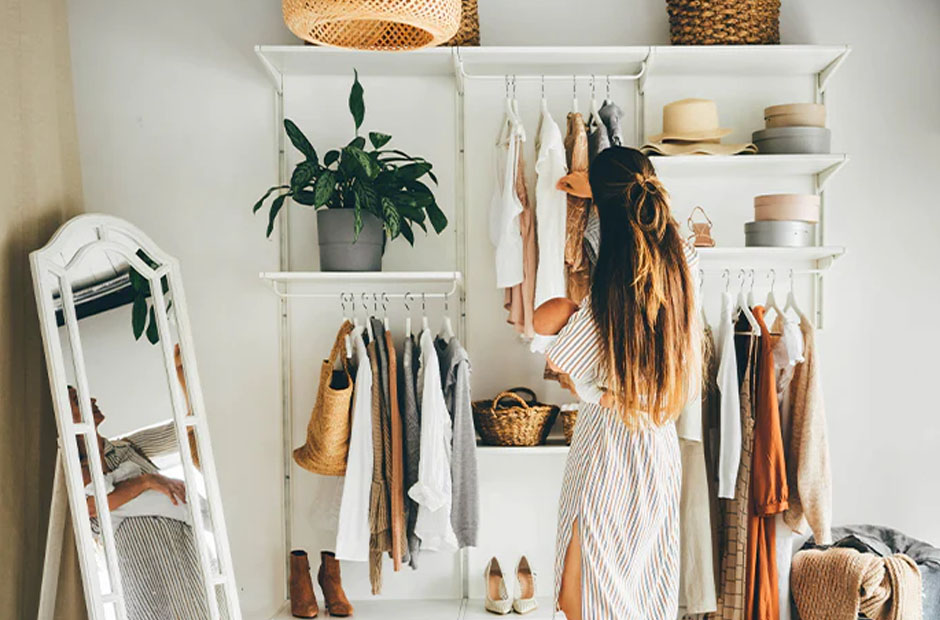
Want to refresh your wardrobe without spending a fortune? You’re definitely not alone. Many people dream of having a closet full of chic, eye-catching outfits, but the cost can be a major hurdle. The good news is that with a little strategic thinking, it’s possible to dress stylishly on a budget. Plus, you can always find great deals online. For example, check out the ASOS Discount Code at Latest Deals for some affordable fashion finds. Let’s dive into how you can upgrade your wardrobe without draining your bank account.
Define Your Style
Style on a budget starts with one thing: clarity. If you don’t know what you’re aiming for, every “good deal” turns into a random purchase, and your closet fills up with clothes you don’t actually wear.
1) Take Inventory of Your Current Wardrobe
Before you buy anything, shop your own stuff—properly.
- Pull everything out (yes, everything). Seeing it all at once makes patterns obvious: five similar tops, zero bottoms that work with them, or shoes that don’t match your real life.
- Identify your staples. These are the pieces you reach for without thinking—your best jeans, that jacket that always works, the t-shirt that sits perfectly. Staples tell you what you genuinely like, not what you think you should like.
- Sort into three piles: keep, donate, sell.
- Keep: fits now, feels good, matches your life, and you’d wear it within the next 30 days.
- Donate: decent condition but not you anymore (or never was).
- Sell: good brands, great condition, still has demand—turn clutter into wardrobe budget.
- Note the gaps. Instead of “I need new clothes,” get specific: “I need a layer for work,” “I need shoes that go with wide-leg trousers,” “I need tops that aren’t all cropped.”
The goal isn’t a minimalist closet. It’s a closet where most things work together and nothing feels like a mistake.
2) Identify Your Personal Style
Personal style isn’t a mystery. It’s just a consistent set of preferences you can name.
- Collect inspiration (with a filter). Scroll fashion blogs, Pinterest, Instagram, even street style—then save only the looks you’d realistically wear. Not “nice,” not “cool.”
- Build a mood board. After you’ve saved 20–30 images, look for repeat themes:
- silhouettes (oversized, tailored, fitted)
- colors (neutrals, brights, earth tones)
- vibe (clean, edgy, sporty, romantic)
- key pieces (blazers, cargo pants, slip skirts, knit sets)
- Pick three style words. Examples: “clean + relaxed + sharp” or “minimal + vintage + playful.” These become your quick decision tool when shopping. If an item doesn’t fit at least two of your words, skip it.
- Choose a simple color strategy. A tight palette makes cheap clothes look expensive because everything mixes. Start with 2–3 neutrals (black, white, navy, beige) and 1–2 accent colors you genuinely love.
Once you define your style, you stop buying “maybe” clothes. And that’s where the real savings happen.
Shop Smart: The Art of Finding Latest Deals
Shopping smart isn’t about being cheap—it’s about being intentional.
The goal:
- Spend less per wear
- Avoid panic-buys
- Still look like you’ve got “main character wardrobe” energy
1) Go for Timeless Pieces
Trends are fun, but basics are what make your closet actually work. When your foundation is solid, you can sprinkle in a couple of trend pieces without constantly replacing everything.
Budget-friendly “forever” staples to look for
- A black blazer (instant polish over jeans, dresses, or a tee)
- A great pair of straight-leg jeans (the no-drama cut that goes with everything)
- White sneakers (clean, simple, wearable year-round)
- A neutral coat or trench (makes even basic outfits look expensive)
- Plain tees and knitwear in solid colors (layering heroes)
Quick buying rule
If you can picture wearing it three different ways, it’s a better buy. If it only works with one outfit and a specific vibe, it’s probably a pass.
2) Leverage Sales and Discounts
Paying full price is optional. A quick pre-check routine can shave a lot off your total—especially if you’re building a wardrobe from scratch.
A simple savings system
- Search for a discount code before you buy. It takes 30 seconds and can cover shipping, give you a percentage off, or reduce a minimum spend.
- Time your purchases. Big promos tend to hit around seasonal switches, holidays, and end-of-season clear-outs.
- Stack savings when possible. Sale price + discount code + free shipping is the sweet spot (not always available, but worth checking).
- Compare, don’t impulse. If you’re on the fence, leave it in your cart for a day. If you forget about it, you didn’t need it.
Make deal-hunting easier
Deal sites can save you time. Latest Deals is the kind of place where you can quickly find current offers from popular retailers (including fashion).
For example, if you’re browsing ASOS, it’s worth checking an ASOS discount code there before you check out—just to make sure you’re not leaving money on the table.
Wrap-up
Smart shopping isn’t complicated. It’s just a few habits that keep your style sharp and your bank account unbothered.
Thrift and Consignment
Thrifting is the budget-fashion cheat code. You get better materials, more character, and less “everyone bought this exact top last week.” The trick is to shop with a plan—then stay open to surprises.
As Tom Church, Co-Founder of LatestDeals.co.uk, a discount code platform, puts it: “The best savings come from being intentional—know what you’re looking for, compare options, and don’t rush a ‘deal’ that isn’t right for you.”
1) Explore Thrift Stores
Go in with a target.
If you walk in thinking “I need clothes,” you’ll walk out with random stuff you don’t wear. Instead, hunt for categories that are almost always worth thrifting:
- Blazers + coats: Wool, tweed, leather—these are expensive new, common secondhand.
- Denim: Especially vintage Levi’s-style fits; look for sturdy fabric and good seams.
- Knitwear: Cashmere and merino show up more than you’d think.
- Button-down shirts: Easy to tailor, easy to style, always useful.
Check quality fast (no overthinking).
- Seams lying flat, no pulling at the buttons
- Zips work smoothly
- Fabric feels substantial (thin + shiny often = cheap)
- Small fixes are fine; structural damage is usually a no
Try the “interesting piece + basics” method.
Thrift stores are great for statement items—patterned shirts, bold jackets, vintage skirts. Make those the headline, then pair with basics you already own: plain tee, straight jeans, clean sneakers. That’s how you look intentional, not costume-y.
Don’t be scared of tailoring.
A £6 blazer that fits almost right can look like a £200 piece after a quick nip at the waist or sleeve hem. If you’re going to spend extra anywhere, spend it on fit.
2) Consignment and Online Resale
Consignment is thrift’s polished cousin: higher prices, better curation, more designer labels. Online resale is where you can get real steals—if you shop smart.
Where to look:
- Depop: Trend-driven, great for Y2K, streetwear, vintage tees, denim
- Poshmark: More mainstream brands, lots of bundles, easy negotiating
- (Also worth checking: Vinted, eBay, Vestiaire Collective for higher-end)
How to shop without getting burned:
- Know your measurements (not just “I’m a medium”)
- Ask for key photos: tags, fabric composition, close-ups of wear
- Read descriptions carefully: “good condition” can mean “survived a small war”
- Filter by “new with tags” or “excellent condition” when you want low risk
Negotiate like a normal person.
Make offers, but don’t lowball into oblivion. A small discount often gets accepted, especially if the item’s been listed a while.
Sell what you don’t wear and recycle the money.
This is the underrated part: your closet can fund your next upgrade. List pieces that are in good condition, photograph in natural light, and price realistically. Even a few sales can bankroll a quality coat, boots, or bag—stuff that elevates everything else you own.
DIY Your Way to Unique Pieces
DIY is the cheat code for looking like you spent money when you didn’t. It’s also how you stop your wardrobe from feeling like everyone else’s—because once you tweak something, it becomes yours.
Why DIY Works
- Budget-friendly: big style impact without buying new.
- More personal: small changes make an item feel one-of-one.
- Less waste: you get more wear out of what you already have.
1) Alter and Upcycle Old Clothing
Before you buy anything new, raid what you already own (or what you never wear). Most “boring” pieces are one small change away from being in heavy rotation.
Start With Easy Upgrades (No Fashion Degree Required)
- Crop a tee or jumper to sit at the waist (clean hem, done).
- Taper straight-leg jeans by taking in the inner seam.
- Swap buttons on a coat, blazer, or cardigan for an instant “expensive” vibe.
- Remove shoulder pads if they fight your silhouette.
- Hem trousers so they break perfectly over your shoes. Fit is everything.
Upcycle Ideas That Actually Look Good
- Patchwork / visible mending on denim (intentional, not “oops”).
- Add a slit to a midi skirt for movement and edge.
- Dye faded blacks back to deep black (your “new” basics will thank you).
- Add patches (iron-on or sew-on) to jackets, overshirts, or tote bags—keep it minimal so it reads cool, not costume.
The “10-Minute” Tool Kit
Keep a small kit on hand so you can actually follow through:
- Needle + thread
- Fabric scissors
- Iron-on hemming tape
- Seam ripper
- Safety pins
- Fabric dye
Low-Stakes Practice Rule
If you’re nervous, start with something you already don’t wear.
- Worst case: it stays in the donate pile.
- Best case: it becomes your best item.
2) Customize Accessories
Accessories are low-risk, high-impact—and usually easier to modify than clothing.
Bags
- Swap the strap for a chain, chunky webbing, or a short shoulder strap to shift the whole vibe.
- Tie a silk scarf on the handle for a polished touch.
- Clip on a keychain charm or tag—small detail, big personality.
Shoes
- Switch laces:
- Waxed laces for sleek
- Contrast laces for pop
- Add insoles (comfort upgrade, and your shoes look better when you walk like you mean it).
- Use leather paint/marker for small scuff refreshes or subtle detailing.
Jewellery Hacks
- Layer simple chains at different lengths (styled, not try-hard).
- Convert spare earrings into bag charms or zipper pulls.
Keep the Goal Simple
You don’t need to become a full-time DIY person. Aim for a few smart tweaks that make your wardrobe feel intentional—without paying “brand new” prices.
Plan and Strategize Your Purchases
Random shopping is where budgets go to die. A stylish wardrobe on a budget isn’t about buying less—it’s about buying on purpose. A little planning keeps you from impulse-checkout regret and closet clutter.
As Tom Church, Co-Founder of latestdeals.co.uk, puts it: “The best savings come from having a plan—start with a wishlist, set a budget, and wait for the right price instead of buying on impulse.”
1) Create a Wishlist
Think of your wishlist as your wardrobe’s “to-build” list—not a dopamine scroll.
- Start with gaps, not vibes. What’s missing right now? Maybe you’ve got tops for days but no decent trousers. Or great outfits, zero outerwear that pulls it together.
- Write it down (actually). Notes app, spreadsheet, whatever. Split it into:
- Basics: trainers, jeans, plain tees, a coat that doesn’t look tired
- Upgrades: better-fit blazer, quality knit, leather belt
- Fun pieces: colour, prints, “this is so me” items
- Prioritize by impact. If one piece unlocks five outfits, it goes to the top. If it only works with one very specific thing you barely wear, it goes to the bottom.
- Use a “two-week rule.” If you still want it after two weeks—and you can name at least three outfits you’d wear it with—it’s probably a real want, not a passing craving.
2) Stick to a Budget
You don’t need a finance degree. You need a number and a boundary.
- Set a monthly fashion cap. Even a small amount works if you’re consistent. Treat it like a bill you “pay” to your future wardrobe.
- Create a mini sinking fund for bigger items. Coats, boots, suits—stuff that costs more but lasts. Put aside a bit each month so you can buy it without pain when the right deal shows up.
- Track spending for one month. Not forever. Just long enough to spot patterns like “I keep buying tops because they’re on sale” or “shipping fees are quietly eating my budget.”
- Budget for tailoring. A £10–£20 alteration can make a cheap item look expensive. Hemming trousers or nipping in a waist is often the best money you’ll spend.
- Build in a rule for impulse buys. Example: you can only buy something unplanned if it replaces a worn-out item or it’s under a set amount and fits your wishlist categories.
Planning isn’t boring—it’s how you end up with a wardrobe that looks intentional, not accidental.
Maximize Your Wardrobe
1. Mix and Match
Before you buy anything new, squeeze more life out of what you already own. Most “I have nothing to wear” moments aren’t about lack of clothes—they’re about defaulting to the same safe combos.
- Start with a simple rule: every time you wear a piece, try it next with two different items than usual. Same jeans, different top. Same blazer, different shoes.
- Use the swap method:
- Swap tops (tee → button-up → knit)
- Swap bottoms (jeans → trousers → skirt)
- Swap shoes (trainers → boots → loafers)
- Swap outer layer (denim jacket → blazer → cardigan)
- One change can take an outfit from “fine” to “wow, you look put together.”
- Layer like you mean it: a plain base (tee + jeans) becomes a look with one extra layer—overshirt, blazer, long coat, chunky cardigan. Layering also lets you stretch seasonal pieces longer.
- Pick a “hero” item per outfit: statement coat, bold bag, strong shoe, or a standout knit. Keep everything else quiet. Cheap outfits look expensive when they’re intentional.
- Take outfit photos: quick mirror pics when something works. Future-you will thank you on rushed mornings.
2. Capsule Wardrobe
A capsule wardrobe isn’t about having less for the sake of it. It’s about having less that works harder. The goal: pieces that mix cleanly so you can build lots of outfits without thinking too much.
- Aim for 30–40 items (depending on your lifestyle), focusing on things you can wear weekly. That count usually excludes underwear, gym gear, and occasion-only items.
- Stick to a tight colour palette:
- 2–3 neutrals (black, white, grey, navy, beige)
- 1–2 accent colours (olive, burgundy, cobalt, whatever feels like you)
- When your colours play nice, everything suddenly “goes together.”
- Build around versatile anchors: think straight-leg jeans, tailored trousers, a layering tee, a crisp shirt, a knit, a jacket that upgrades anything, and shoes that can handle most days.
- Use the “3-outfit test” before you keep or buy: if you can’t make at least three outfits with it using what you already own, it’s probably not capsule material.
- Rotate seasonally, don’t restart: keep your core staples year-round, then swap in seasonal extras (summer linen, winter knits). This keeps your wardrobe feeling fresh without constant spending.
Do this well and you’ll stop chasing random pieces. You’ll just… get dressed and look good. Effort stays low. Impact stays high.