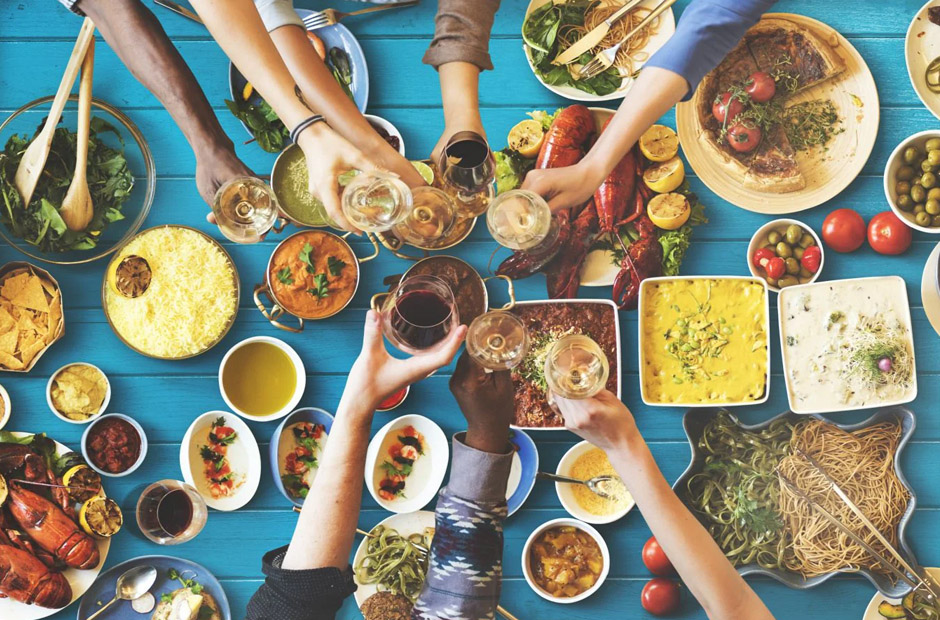
Travelling is about much more than just visiting different physical locations; for many people, the reason why they go travelling is to try out foods that are unique to the area/country they are visiting. Each community has unique cultural food traditions that are deeply interwoven into the community and represent that community’s history, culture, and social relationships with its members. Eating a meal with a local member of the community allows you to experience food practices that have been going on for centuries as well as getting a taste of modern-day food creations. Through our exploration of how food shapes travel, the experience of sharing a meal (and the stories associated with it) has an enormous influence on transforming an individual’s ability to connect with other people in the world. As Claudette Rickett Schwartz, a well-known author and advocate for food activism, states: “Cultural engagement goes beyond simple observation to also include the tastes, textures, and aroma of that culture’s food.”
Food provides a deep understanding of other people’s cultural customs and beliefs, including the history of migration and adaptation from different geographical regions to what we now identify as ‘globalization.’ When we eat food together, we develop feelings of mutual understanding and compassion. It creates memories and friendships, and gives people a chance to reflect on their cultural identity as it relates to food. Furthermore, food tourism is important in protecting and preserving traditional food practices and resistance to cultural homogenization, as shown through the publications of many travel consultants including National Geographic.
Food as a Window to Culture
Food provides a “window” into all of the cultures in a society, and is a historical reflection of migration, adaptation, and innovation. For example, a bowl of ramen in Japan tells the story of movement and migration across Asia and beyond, the adaptation of Asian farmers to create ramen based on their access to the sea and the land that they farmed, the need for preservation of knowledgeTravelers have the opportunity not only to enjoy the food of new places, but also to experience some of the social customs associated with those foods, and the history of those customs. Food provides travelers with a link to the different ways in which people around the world bond with one another and share food.
Local Markets & Street Food
Local food markets are often the centre of a destination; they provide visitors an opportunity to not only shop for products but to also interact with other people and their culture. Visitors have an opportunity to understand the variety of ingredients and flavours used to make up the cuisine of the area they are visiting. Local Producers/vendors in the market usually share stories behind their product, by providing a link from their ancestry to the product they sell, and continue the tradition of connecting people and their cultural identity to the food and ingredients that are uniquely theirs. Street food, which is synonymous with both an art form and a necessity in many cultures, provides a unique experience for visitors because they can eat flavourful foods and enjoy a vibrant atmosphere. Even though in restaurants, it is often not as authentic as it would be found at local markets, local markets and street vendors allow visitors to engage in spontaneous interactions with local residents.
Cooking Classes & Food Tours
A great way for visitors to become involved in local foods and prepare them within a cultural context is by offering cooking or food tours. When visitors take a cooking class and prepare local dishes with local cooks, they learn more about the cultural and traditional aspects of the dish and the history behind the traditional dish. In addition to providing visitors with a sense of connection to the historical sites they visit, food tour experiences help visitors learn about that meals’s history and description based on the food they taste. For example, food tour experiences can provide travellers with a better understanding of the values of the local community, as well as the culture.
Fusion & Culture in Food
Fusion cuisine, as it is known today, is the blending of culinary traditions from different cultures. Globalization has created a world that is full of different tastes combined together and create new combined dishes. International chains like McDonald’s have adapted their menus to meet the needs of local consumers and cultures, showing they can adapt their recipes to suit the tastes of the region. In India, for example, some of McDonald’s fast-food products have modified versions (burgers) that honor local customs and foodways as well as religion. Hybrid Cuisine/Hybrid cuisines exist throughout the world; street vendors to fine dining restaurants all demonstrate how adaptable we are and that cultures continue to be interconnected. For more details about results from Food Without Borders, NPR has published an article outlining how hybrid dishes now shape our National Identity.
Food Museums And Culinary Festivals
Museums devoted to food (including museums for mustard, noodles, wine from regions, and breads throughout history) provide education and sensory delight. These organizations will help identify where products come from, how they are made or prepared, and provide ways to preserve the uniqueness of these products as part of our global heritage. Additionally, Culinary Festivals are another source of food history; through live demonstration, tastings, and cultural performances at these events show how unique they are, as well as provide an opportunity for small-scale producers or artisans to display their traditional craft, which ultimately allows for these unique treasures to be maintained during times of modernization.
Sustainable & ethical food tourism
The increased awareness of the need for sustainable travel has incorporated conscious dining practices into travel options. Tourists are becoming more conscious of what farms produce, who produces it, and how they support locally grown food by searching for both restaurant-to-farm and organically grown food, as well as going to growers’ markets or purchasing locally produced agricultural products from local farms. Tourists who do not patronize high-volume commercialized tourism sites can help to preserve both the food Biodiversity of the area they are visiting as well as help maintain fair treatment to all those involved in food production. The Ethical Food Tourism movement promotes long-term benefit over short-term pleasure and creates opportunities for improved communication between host and visitor.
Culinary Tourism
Culinary Tourism signifies as both an invitation and an ambassador that dissolves borders, enables honest dialogue to occur, and builds bridges for future partnership. Gastronomy will establish how countries perceive one another by providing nations with a way to promote their hospitality and cultural heritage. Culinary Tourism has become an integral pillar for local economic growth and provides nations with a way to establish international relationships and partnerships. Food is one way that creates a connection, regardless of language or political (governmental) history. Through sharing a meal together, it is the beginning of engaging in a conversation with one another beyond the barriers that we might encounter daily.
Conclusion
A cultural learning journey through food is one way to develop a greater connection or discovery about the human race. Food travels through culture to provide the opportunity for change. Food allows people to connect through an experience that is meaningful to them and will forever be a memory wherever they might have traveled.