Key Takeaways
- Clinical trials test new treatments and advance medical research.
- Understand trial phases, risks, benefits, and time commitments before enrolling.
- Find suitable studies through doctors, registries, or research centers.
- Pre-screening and informed consent ensure safety and clarity.
- Active participation and follow-up are essential for success.
- Your involvement can benefit both your health and future patients.
Understanding Clinical Trials
Clinical trials are a cornerstone of medical advancement, providing a structured environment to test the safety and effectiveness of new treatments, devices, or interventions on real people. These carefully monitored studies are crucial for advancing medicine and provide participants with access to cutting-edge therapies that may not yet be widely available. Patients who explore options like Biontech clinical trials often discover not only hope for themselves but also the potential to help countless others in the future.
Before you begin your clinical trial journey, it’s crucial to understand the general framework of these studies. Trials are conducted in phases, each designed to answer specific research questions about a treatment’s safety, ideal dose, potential side effects, and overall effectiveness. Participating means joining a vital process that shapes the future of healthcare and treatment standards worldwide.
Initial Considerations
Participating in a clinical trial is a significant step that requires careful consideration. You should start by clearly understanding why the trial exists, what questions researchers hope to answer, and how participation may affect your quality of life. While potential benefits may include early access to promising new therapies, there are also unknowns regarding side effects, trial duration, or how your daily routine could be disrupted.
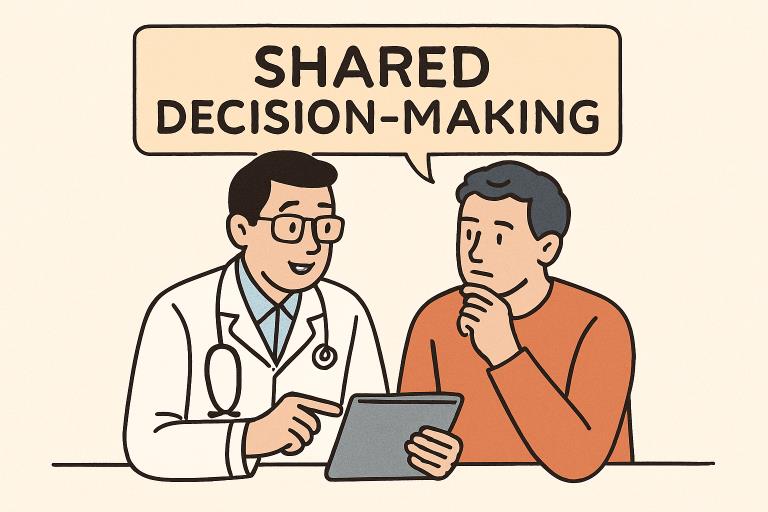
Conversations with your healthcare provider are invaluable at this stage. Discuss your current treatment options, prognosis, and whether joining a clinical trial could be a reasonable and safe path forward. Your provider can help weigh the risks and benefits specific to your condition and personal goals.
Finding a Suitable Trial
Locating a clinical trial that matches your diagnosis, medical history, and logistical needs involves a multi-pronged approach. For many, a physician’s guidance is the best starting point. Healthcare professionals often know about ongoing research in your area or can refer you to databases that list current clinical studies.
- Request recommendations from your doctor or specialist.
- Use reputable clinical trial registries and resources to discover ongoing research. A comprehensive guide is available via the National Cancer Institute.
- Reach out to university research hospitals or major medical centers that routinely conduct trials.
Many clinical trials are also listed in government-run databases or through major patient advocacy organizations, providing an accessible route for individuals interested in participating in promising studies.
Pre-Screening and Eligibility
After identifying a potential trial, you will typically begin a pre-screening process. The trial’s research team will review your medical records, current health status, and other specific criteria required by the study protocol. Every clinical trial has defined inclusion and exclusion criteria designed to keep participants safe and ensure the study obtains valid results. These may include age, disease stage, previous treatments, or other medical factors.
Transparency during the pre-screening process is essential. If you do not meet one study’s criteria, don’t be discouraged—there are often multiple trials recruiting at any given time. Staying in touch with the research team can lead to other options that better align with your situation.
Informed Consent Process
Before any procedures begin, you will go through an informed consent process. This step ensures that you fully understand the trial, including its objectives, procedures, commitments, potential risks, and expected benefits. The study coordinator or principal investigator will answer all your questions, and you will receive printed materials detailing everything you need to know before agreeing to participate.
Informed consent is not a one-time event but an ongoing dialogue throughout the trial. You may withdraw your participation at any time without penalty, ensuring your autonomy remains central in the process. The Mayo Clinic provides a helpful overview of what to expect from the consent process and your rights as a participant.
Participation and Monitoring
Once enrolled, your health will be closely monitored as you receive the study intervention or medication. This may include regular check-ups, blood tests, imaging studies, or completing questionnaires that assess your response and overall well-being. The research team will track your progress, watch for any side effects, and adjust your care plan as necessary.
During each scheduled visit, communication with the research staff is key. Share any changes in your symptoms, lifestyle, or side effects, no matter how minor they may seem; this information is vital for both your safety and the success of the research.
Post-Trial Follow-Up
Your clinical trial journey does not always end when the study wraps up. Most trials include a post-study period where you may be asked to attend further check-ins, undergo health assessments, or provide updates on your well-being. This phase allows researchers to monitor any long-term effects of the intervention and gather additional data that could benefit future participants.
The research team will typically share the study’s findings with you once the results are published. Keeping you informed of outcomes maintains transparency and encourages ongoing involvement in the research community.
Questions to Ask Before Joining
Prospective participants should prepare a list of questions to help guide their decision. Questions may include:
- What is the main aim and current phase of this trial?
- What risks or side effects might I face?
- What is the expected time commitment?
- Will I incur any costs, or does insurance cover participation?
- Are there alternative treatments I should consider?
Open and honest discussions with both your physician and the research staff ensure that you have all the necessary information to make an informed and confident choice.
Final Thoughts
Enrolling in a clinical trial is a significant decision that affects your health, rights, and the future of medical research. With careful planning, open communication, and a willingness to ask questions, you can move through each stage of the process with clarity and confidence. In doing so, you not only access possible new therapies for yourself but also play a crucial role in helping advance treatment options for others worldwide.