Key Takeaways
- Flexible and adaptive learning spaces enhance engagement and collaboration, providing opportunities for various learning modalities and styles.
- Integrating technology into classrooms supports interactive and personalized learning experiences, ensuring each learner’s unique needs are met.
- Sustainable design practices contribute to healthier and more efficient learning environments, instilling a sense of ecological responsibility in students.
- Incorporating soft skills development prepares learners to meet the complex and evolving demands of future workplaces.
As the pace of change accelerates across industries, education must evolve to prepare learners for challenges that have yet to be imagined. In today’s interconnected and digitally driven world, the future of education lies in environments that are not only cutting-edge in their technology but also flexible and mindful of sustainability. Future-ready learning environments blend flexibility, modern technology, and eco-conscious designs to meet the ever-evolving needs of lifelong learners at all stages of their journeys. By creating adaptable academic spaces enriched with digital solutions, educators and institutions can nurture and develop talent for a workforce that is continually shifting. For those seeking to lead this educational transformation and implement best practices on a systemic level, advanced credentials such as an online E.dD program in applied learning sciences can provide a pathway to deeper expertise, innovative research opportunities, and meaningful leadership roles in education.
Traditional classrooms, once defined by rigidity in both schedule and design, are rapidly giving way to more dynamic, student-centered approaches. Today, learning is an ongoing process, shaped by the demands of a rapidly shifting economy, changing technologies, and broad societal expectations. This continuous approach to education emphasizes adaptability and innovation, helping students and professionals alike to acquire new skills as their careers and lives evolve. The challenge for educational institutions is to create environments that actively foster this sense of growth—spaces that not only support academic learning but also encourage holistic development and lifelong curiosity. Environments that inspire adaptability, nurture innovation, and promote well-being are increasingly recognized as essential in unlocking every student’s potential and supporting their lifelong educational journey.
Flexible and Adaptive Learning Spaces
Modern learners do their best work in environments that invite collaboration, creativity, and experimentation. Schools and universities are increasingly investing in flexible classrooms that can accommodate fluctuating group sizes and different teaching formats. Rooms outfitted with movable walls, reconfigurable ergonomic furniture, and writable surfaces enable teachers and students to transition seamlessly from lectures to collaborative work and quiet study. These adaptive environments are not just about physical changeability; they signify a shift toward student autonomy and active participation.
Flexible learning spaces also form the backbone of hybrid and blended learning models, which have gained momentum in recent years. With advanced technology enabling seamless integration of remote and in-person participants, learners can collaborate and engage from anywhere. This inclusion broadens access and ensures that education is more equitable and accommodating to diverse lifestyles, work commitments, and learning preferences.
Technology Integration in Learning Environments
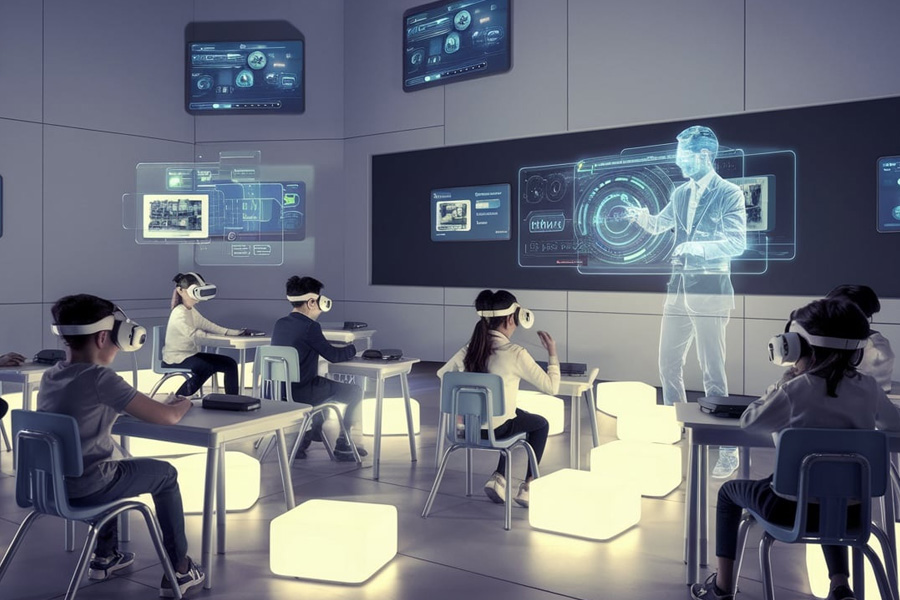
The integration of smart technology into learning spaces is one of the most important shifts in education today. With the proliferation of devices, digital displays, and cloud-based platforms, teachers can easily personalize instruction and give instant feedback. Classrooms equipped with interactive whiteboards and tablets encourage active participation and multimedia exploration, making lessons truly engaging for students of all ages. Collaborative online tools facilitate project-based learning and connect learners beyond geographical limitations, enabling students to work on shared documents and creative media in real-time, regardless of their location.
AI’s Role in Modern Classrooms
Artificial intelligence has become a trailblazer in education, especially as part of Learning Management Systems (LMS) and other digital learning tools. Generative AI tools help instructors design lessons tailored to each student’s pace and preferences, supporting inquiry-based learning that triggers deep thinking and reflection. By shifting focus from passive absorption of information to active co-creation, AI-powered platforms encourage learners to ask questions, apply critical analysis, and find their voice. The ongoing evolution of AI is helping bridge the gap between traditional teacher-led instruction and student-driven exploration. Comprehensive coverage, such as this feature from Education Week, describes how AI is reshaping lesson planning, student assessment, and resource allocation, making education both more effective and more inclusive.
Sustainable Design Practices
As concerns over environmental impact become more pronounced, schools and colleges are embracing sustainable design in their construction and renovation projects. Energy-efficient lighting systems, smart HVAC controls, natural ventilation, and green roofs help minimize the carbon footprint of educational buildings while reducing long-term operational costs. The use of non-toxic, recycled, and locally sourced materials further supports campus sustainability goals.
Digital solutions, such as cloud-hosted resources, also help reduce the need for paper, minimize waste, and support the growth of blended learning models. By adopting eco-friendly practices, institutions not only achieve compliance with green standards but also model environmental stewardship for their learners. The positive impact of these policies goes beyond the classroom, influencing how students and educators view their responsibilities as global citizens.
Incorporating Soft Skills Development
The rapid pace of technological change, automation, and globalization is driving a significant transformation in the workplace. As technical skills become increasingly specialized and certain roles are automated, employers are prioritizing soft skills like communication, teamwork, flexibility, creative thinking, and emotional intelligence. Modern learning environments should intentionally nurture these skills by encouraging project-based learning, collaborative problem-solving, and opportunities for independent reflection.
Making space for soft skills means designing learning areas that accommodate both group and independent activities. Innovation hubs, group discussion zones, and quiet areas for mindfulness and concentration all help students strengthen the skills necessary for holistic success. Multidisciplinary projects that require students to tackle complex, real-world challenges encourage them to think critically, work collaboratively, and build resilience. Through this process, students develop habits of self-regulation and lifelong learning, which are increasingly vital as they transition into an unpredictable and ever-evolving workforce.
Final Thoughts
Designing future-ready learning environments is both a challenge and an opportunity. These spaces require a careful balance of adaptability, technology, environmental awareness, and a deep commitment to developing the whole learner. As educational leaders champion innovative design, technology integration, and forward-thinking pedagogy, they create powerful platforms for student growth and discovery—well beyond the classroom’s traditional boundaries. The ability to anticipate and meet tomorrow’s opportunities lies in the hands of those who intentionally shape learning spaces that encourage curiosity, self-direction, and responsibility. As society continues to evolve, the importance of future-ready learning environments will only grow, ensuring that every learner is equipped for a life of purpose, adaptability, and achievement.