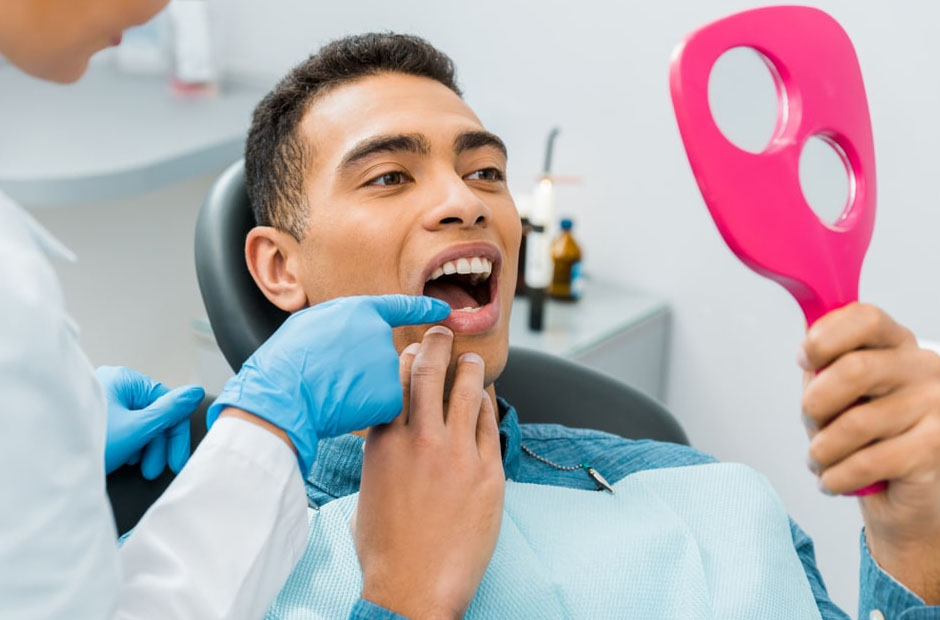
Tooth sensitivity is a common concern that can quietly interfere with everyday life. Simple actions such as drinking cold water, eating warm meals, or even inhaling cool air can trigger sudden discomfort. For many people, this sensation develops gradually and may be ignored until it becomes disruptive. Tooth sensitivity often indicates changes in enamel, gums, or underlying tooth structure rather than being a problem in itself. Dentists play an important role in identifying the cause of dental sensitivity and guiding patients toward relief that is appropriate for their specific condition. Addressing sensitivity thoughtfully helps restore comfort and supports long-term oral health rather than relying on temporary solutions.
Understanding Sensitivity and Its Causes
Why Teeth React to Temperature
Tooth sensitivity occurs when the inner layers of the tooth become exposed or more responsive to external stimuli. Beneath the enamel lies dentin, a porous material that connects to the tooth’s nerve through microscopic channels. When enamel wears down or gums recede, temperature changes and certain foods can travel through these channels more easily, triggering discomfort. Dentists evaluate how and why this exposure occurs, as sensitivity may stem from tooth grinding, excessive toothbrushing, decay, or periodontal changes. Many patients consult dentists in Abbotsford or similar local providers when sensitivity begins to affect daily activities. Understanding the cause enables dentists to address the underlying issue rather than merely masking the sensation.
Evaluating Enamel and Gum Health
A detailed examination is often the first step in managing tooth sensitivity. Dentists assess enamel thickness, gum position, and signs of wear or erosion. Enamel does not regenerate, so protecting what remains is essential. Gum recession, on the other hand, may expose tooth roots that lack the same protective covering as enamel. By identifying the sites of exposure, dentists can determine whether sensitivity is localized or widespread. This evaluation helps distinguish between temporary irritation and underlying structural concerns. Careful assessment ensures that treatment focuses on restoring balance within the mouth rather than addressing symptoms in isolation.
Tailoring Treatment to Individual Needs
Managing tooth sensitivity is rarely a one-size-fits-all process. Dentists consider lifestyle habits, oral hygiene routines, and medical history when recommending care. Some patients may benefit from changes in brushing technique, while others require in-office treatments to reduce nerve response. Personalized guidance helps ensure that recommended solutions align with the patient’s daily routine and comfort level. This tailored approach improves effectiveness and encourages long-term adherence. When treatment fits naturally into daily habits, sensitivity management becomes part of overall oral care rather than an added burden.
In-Office Relief Methods
Dentists may apply desensitizing agents directly to affected teeth to reduce nerve response. These treatments work by blocking pathways within the dentin, thereby limiting the extent to which stimuli reach the nerve. In-office applications provide controlled relief and allow dentists to monitor tooth responses. These methods are often combined with guidance for at-home care to maintain results. While not a permanent fix for all causes, in-office treatments offer meaningful relief for many patients. They also serve as a diagnostic tool, helping dentists determine whether sensitivity is attributable to exposed dentin or to another factor.
Addressing Habits That Worsen Sensitivity
Daily habits play a significant role in the development and persistence of tooth sensitivity. Dentists often discuss brushing pressure, toothpaste choice, and dietary patterns with patients experiencing discomfort. Overbrushing or the use of abrasive products can accelerate enamel wear, thereby increasing sensitivity over time. Acidic foods and beverages may also weaken enamel if consumed frequently. By adjusting these habits, patients can reduce ongoing irritation. Dentists help patients understand how small changes contribute to long-term comfort, empowering them to take an active role in managing sensitivity.
Restorative Options for Structural Protection
When sensitivity results from structural changes such as cracks, worn fillings, or exposed roots, restorative options may be recommended. These treatments aim to protect vulnerable areas and restore function. Restorative care does not focus solely on appearance; it helps shield sensitive regions from further exposure. Dentists determine whether protective coverings or adjustments are appropriate based on the extent of wear. Addressing structural factors helps reduce sensitivity while supporting overall tooth integrity. This approach emphasizes prevention of future discomfort rather than repeated short-term relief.
Long-Term Prevention and Monitoring
Managing tooth sensitivity often involves ongoing monitoring rather than a single intervention. Dentists encourage regular checkups to track changes in enamel, gums, and bite alignment. Early detection of wear or recession enables timely adjustments before sensitivity increases. Preventive care supports stability by addressing small changes before they become significant. Over time, consistent monitoring helps maintain comfort and reduces the likelihood of recurring sensitivity. This proactive approach aligns sensitivity management with broader oral health goals.
Comfort Through Informed Care
Tooth sensitivity can be frustrating, but it is also manageable with informed guidance and thoughtful care. Dentists support patients by identifying causes, recommending tailored solutions, and monitoring progress over time. By addressing both habits and structural factors, sensitivity can be reduced without compromising overall oral health. Relief comes not from quick fixes alone but from understanding how teeth respond to daily use and care. With professional support and consistent attention, patients can regain comfort and confidence, enabling them to engage in everyday activities without hesitation or discomfort.