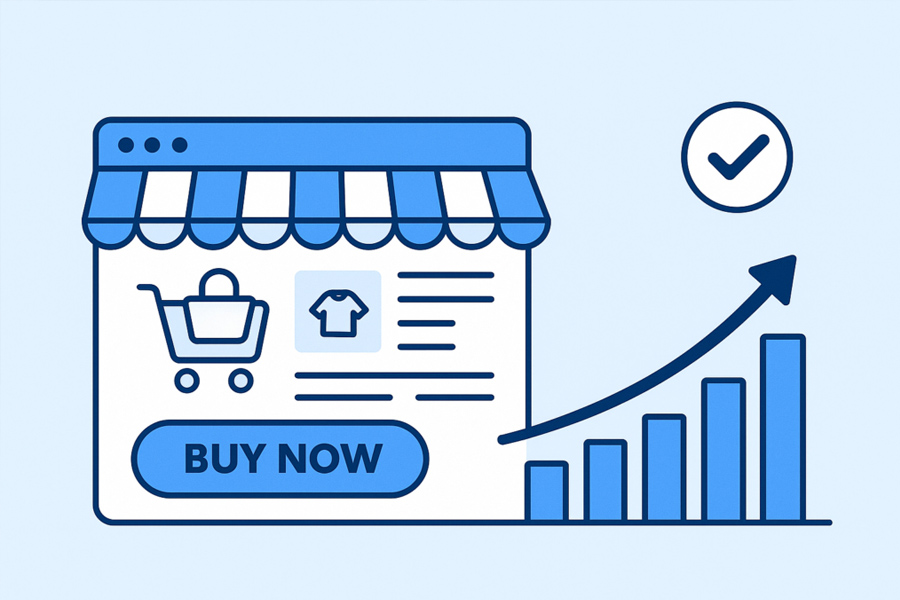
Running a retail business today is more complex than ever. Rising costs, shifting customer expectations, and increased competition mean that simply opening your doors is no longer enough. To stay profitable and relevant, retailers must focus on optimization—finding smarter ways to operate, sell, and grow without wasting time or resources.
Optimizing your retail business isn’t about cutting corners. It’s about making intentional improvements that strengthen performance across every part of your operation. Here are proven strategies to help you grow smarter and build a more resilient retail business.
Streamline Daily Operations
Operational inefficiencies quietly drain profits. Start by reviewing your daily workflows, from inventory handling to checkout processes. Look for repetitive tasks that consume time but add little value. Simplifying procedures, standardizing routines, and reducing manual work can significantly improve efficiency.
For example, clear opening and closing checklists help staff stay consistent, while organized stockrooms reduce time spent searching for products. Small operational tweaks often lead to big productivity gains over time.
Optimize Inventory Management
Inventory is one of the largest investments in retail, and poor inventory control can tie up cash or lead to lost sales. The goal is to stock what sells—no more, no less.
Use sales data to identify fast-moving items, seasonal trends, and slow sellers. Adjust reordering schedules accordingly to avoid overstocking. Regular inventory audits also help catch discrepancies early and prevent shrinkage. A lean, well-managed inventory improves cash flow and ensures customers find what they want when they visit.
Enhance the Customer Experience
Customer experience is a powerful differentiator in retail. Shoppers are more likely to return—and recommend your store—when they feel valued and understood.
Train staff to be knowledgeable, approachable, and attentive without being pushy. Simple improvements like clear signage, easy-to-navigate layouts, and shorter checkout times can significantly enhance the in-store experience. For retailers offering support by phone or online, tools like an ai call center can help handle inquiries efficiently while maintaining consistent service quality.
Use Data to Guide Decisions
Guesswork is costly. Data-driven decisions allow you to focus your efforts where they matter most. Analyze sales trends, customer preferences, and peak shopping times to make informed choices about pricing, promotions, and staffing.
Even basic metrics—such as average transaction value or product sell-through rates—can reveal opportunities for improvement. Over time, consistent data analysis helps you spot patterns and respond quickly to changing market conditions.
Invest in the Right Technology
Technology should support your goals, not complicate them. Choose tools that integrate well with your existing systems and address real pain points. Point-of-sale systems, inventory software, and customer relationship tools can all contribute to smoother operations when used correctly.
Automation is especially valuable for repetitive tasks like reporting, reordering, or customer follow-ups. By reducing manual work, your team can focus more on selling and customer engagement.
Optimize Staffing and Scheduling
Labor is another major cost area in retail. Optimizing staffing doesn’t mean cutting hours indiscriminately—it means aligning staff availability with customer demand.
Review foot traffic and sales patterns to schedule more employees during peak hours and fewer during slower periods. Cross-training staff also adds flexibility, ensuring coverage even when unexpected absences occur. A well-balanced schedule improves service quality while keeping labor costs under control.
Strengthen Marketing and Promotions
Effective marketing doesn’t require a massive budget. Focus on targeted efforts that speak directly to your ideal customers. Email campaigns, loyalty programs, and in-store promotions can all drive repeat business when executed thoughtfully.
Track which promotions perform best and refine your approach over time. Consistent messaging across online and offline channels helps reinforce your brand and keeps your store top of mind.
Continuously Review and Improve
Retail optimization is not a one-time project—it’s an ongoing process. Set aside time regularly to review performance, gather feedback, and test new ideas. Encourage employees to share insights from the sales floor, as they often spot issues and opportunities first.
By embracing continuous improvement, you position your retail business to adapt, evolve, and grow even in challenging conditions.
Final Thoughts
Optimizing your retail business is about working smarter, not harder. By streamlining operations, managing inventory wisely, enhancing customer experience, and leveraging data and technology, you create a strong foundation for sustainable growth. Small, consistent improvements compound over time—helping your business stay competitive, profitable, and ready for the future.