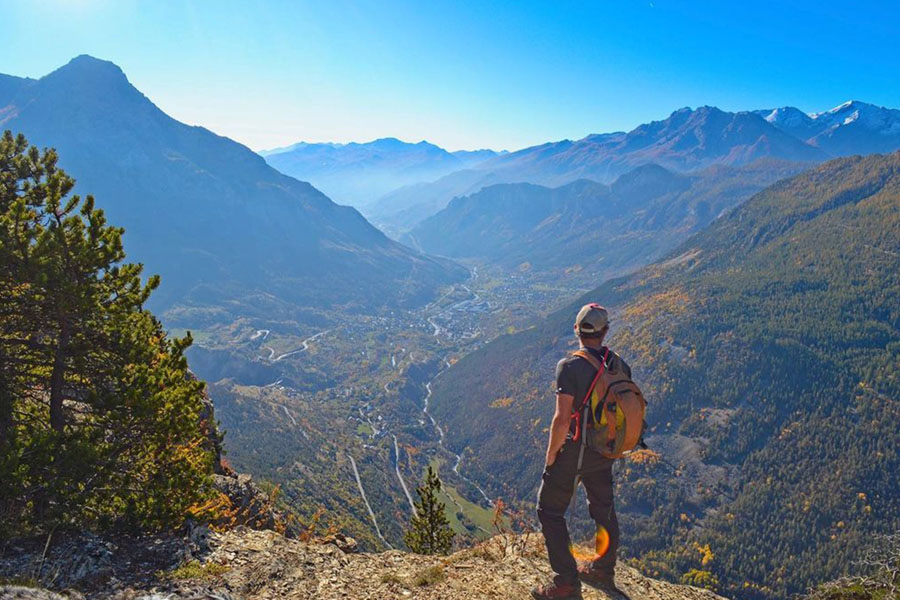
Mountaineering is more than a hobby; it’s a test of endurance, skill, and mental toughness. Whether you’re a weekend hiker aiming for challenging peaks or a seasoned climber tackling high-altitude mountains, preparation is key. Peak performance in the mountains requires a combination of physical conditioning, proper gear, strategic planning, and safety awareness. Here’s a comprehensive guide to help every mountaineer reach their summit goals with confidence.
1. Prioritize Physical Fitness
Mountaineering is demanding on your body. Cardiovascular endurance, leg strength, core stability, and flexibility all play crucial roles. Incorporate exercises like hiking with a weighted backpack, stair climbing, squats, lunges, and planks into your routine. Regular cardio sessions, such as running, cycling, or swimming, will improve stamina and prepare your heart and lungs for high-altitude conditions. Remember, your body will perform better when it’s conditioned for prolonged exertion in unpredictable terrain.
2. Master Navigation Skills
Even the most experienced climbers can get lost. Learning to read topographic maps, use a compass, and operate a GPS device is essential. In remote areas, a satellite walkie talkie can be a lifesaver, providing communication when phone signals are unavailable. Always plan your route ahead, note key landmarks, and share your itinerary with someone trustworthy before you set out. This ensures that, in case of an emergency, help can reach you promptly.
3. Choose the Right Gear
Having reliable, high-quality gear can make the difference between a successful climb and a dangerous situation. Essential equipment includes:
- Footwear: Sturdy, well-fitting hiking boots with proper ankle support.
- Clothing: Layering is vital. Base layers wick moisture, mid-layers provide insulation, and outer layers protect from wind and rain.
- Backpack: Lightweight, durable, and fitted to your body.
- Safety Gear: Helmets, harnesses, ropes, crampons, and ice axes for technical climbs.
- Navigation Tools: Maps, compass, GPS, and communication devices like a satellite walkie talkie.
Always test your gear before the expedition to ensure comfort and functionality.
4. Acclimate to Altitude
High altitudes can cause altitude sickness, which is potentially dangerous. Gradually ascend to give your body time to adapt. Hydrate frequently, avoid alcohol, and consider spending extra nights at intermediate elevations. Learn to recognize symptoms such as headaches, nausea, dizziness, and shortness of breath. In severe cases, descend immediately and seek medical attention.
5. Monitor Weather Conditions
Mountain weather is unpredictable and can change rapidly. Check forecasts daily, and understand local weather patterns. Carry gear for sudden storms, including waterproof clothing and emergency shelter. Remember, it’s always better to turn back than to risk climbing in dangerous conditions. Safety is more important than reaching the summit.
6. Fuel Your Body Properly
Nutrition and hydration are often overlooked but are critical for peak performance. Eat a balanced diet leading up to your climb, focusing on carbohydrates for energy and protein for muscle recovery. During your expedition, carry high-energy snacks like nuts, dried fruits, and energy bars. Drink water consistently; dehydration can worsen fatigue and impair judgment.
7. Practice Mental Preparation
Mountaineering challenges both the body and mind. Mental resilience helps you stay focused during long climbs, harsh conditions, and unexpected obstacles. Visualization, mindfulness, and goal-setting techniques can strengthen your mental endurance. Stay positive, pace yourself, and know your limits.
8. Leave No Trace
Responsible mountaineering includes preserving the natural environment. Pack out all trash, avoid disturbing wildlife, and stay on established trails. Respecting nature ensures future climbers can enjoy the same pristine landscapes.
In Conclusion
Reaching the peak is a rewarding achievement, but preparation, safety, and respect for the mountain are what make it truly fulfilling. By focusing on physical fitness, mastering navigation, equipping yourself properly, and maintaining mental and environmental awareness, every mountaineer can perform at their best. Whether you’re climbing a local peak or a remote mountain range, these essential tips will help you reach new heights safely and confidently.