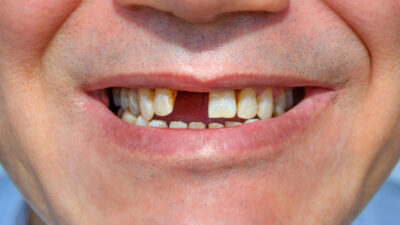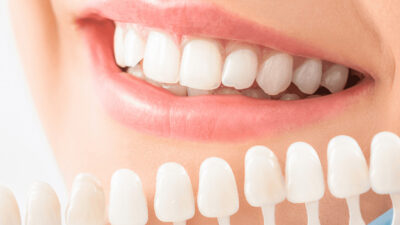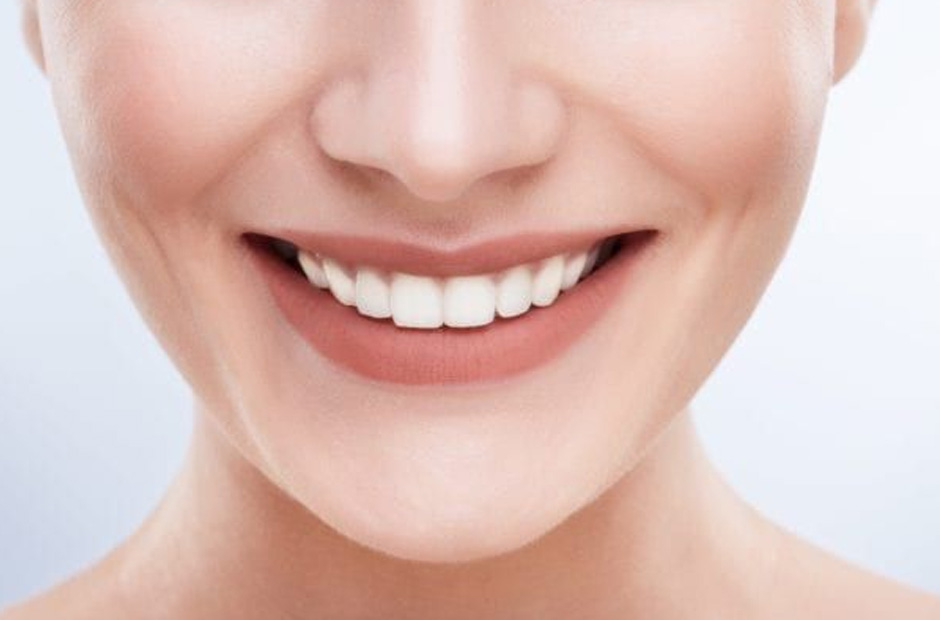
Losing a tooth, especially one in the back where it’s not easily seen, often feels manageable at first. You adjust how you chew, avoid tougher foods, and carry on with life without giving it much thought. Yet beneath the surface, a chain reaction starts in your mouth and jaw that most people don’t discover until the effects are advanced, uncomfortable and significantly more expensive to fix. A missing tooth isn’t just a cosmetic gap; it has deep implications for your oral health, function and overall well-being.
What Happens After a Tooth Is Lost
When a tooth is lost and left unreplaced, the jawbone beneath it begins to shrink because it no longer receives the stimulation from chewing forces that help maintain bone density. Within months, bone resorption accelerates, and the bone begins to deteriorate. Over the years, this can change your facial structure, creating a sunken appearance and premature ageing.
At the same time, adjacent teeth drift and tilt toward the gap because they lose the balanced pressure they enjoyed when all teeth were present. Opposing teeth on the other jaw may over-erupt into the empty space. As this movement continues, your bite alignment changes and becomes uneven.
What was once a functional set of teeth gradually becomes unstable, with increased wear on remaining teeth. Inefficient chewing places extra strain on the jaw muscles and joints, contributing to pain, headaches and potentially temporomandibular joint (TMJ) issues.
The Digestive and Nutritional Impact
Teeth are not just there for smiling; they play a critical role in the first stage of digestion. When a tooth is missing, your ability to chew food efficiently decreases, especially if molars are involved. Proper chewing breaks food into smaller pieces and mixes it with saliva, which contains enzymes that initiate digestion.
Without effective mastication, larger food particles enter the stomach, forcing your digestive system to work harder. Over time, this can lead to indigestion, bloating and inefficient nutrient absorption, particularly of essential vitamins and minerals.
Because of these chewing challenges, many people with missing teeth unconsciously shift to softer, processed foods that are easier to manage but often lower in fibre, proteins and vital nutrients. In older adults, this dietary change can contribute to deficiencies that affect energy levels, immunity, muscle maintenance and overall health.
Why Many People Don’t Seek Treatment Early Enough
One of the reasons missing teeth cause such extensive problems is that the gap doesn’t usually hurt, and it’s often not visible when smiling or talking. This leads many people to delay addressing the issue, assuming that if it doesn’t cause pain, it doesn’t require treatment. Visiting a dental clinic for an assessment feels unnecessary to many when there’s no active discomfort, but bone loss, shifting teeth and bite changes continue silently every month that the gap remains untreated.
For many, the emotional impact of loss plays a role, too. People may feel embarrassed, hesitant or unsure about how to restore the space. Without understanding the hidden consequences, it’s easy to postpone treatment indefinitely, until secondary problems arise that are much more complex and costly to manage.
Why Traditional Dentures Don’t Solve the Underlying Problem
Dentures have long been a traditional solution for replacing missing teeth, but they do not address the deeper structural issues created by tooth loss. Removable dentures simply rest on the gum surface and do not interact with the jawbone. Because they don’t provide the stimulation that natural tooth roots do, bone loss continues underneath the denture even after the false teeth are in place, which can lead to a gradually changing fit and the need for frequent adjustments.
Dentures also shift during eating and speaking, reducing chewing efficiency and taste sensation. As bone continues to deteriorate and the jaw ridge shrinks, dentures often become looser, requiring re-lining or replacement. These issues make them less stable and functional compared with fixed solutions, and they don’t prevent the cascade of structural changes associated with long-term tooth loss.
A Permanent Solution for Extensive Tooth Loss
For patients missing multiple teeth or facing full-arch failure, all-on-4 dental implants offer a permanent, stable restoration that addresses both function and long-term oral health. This technique uses four strategically placed implants to support an entire arch of prosthetic teeth, anchoring them directly into the jawbone. Because the implants serve as artificial tooth roots, they provide the necessary stimulation to preserve bone and prevent resorption, the same force that helps maintain natural bone health.
Unlike removable dentures, All-on-4 implants restore complete chewing function, allowing patients to enjoy a full range of foods without compromising nutrition. They also help maintain proper bite alignment and reduce the risk of neighbouring teeth shifting into the gap. Because the arch is supported by implants firmly secured in bone, facial support is preserved, helping prevent the sunken appearance that often accompanies long-term tooth loss.
This approach halts the cascade of problems that arise when gaps remain untreated, providing a comprehensive solution that looks, feels and functions more like natural teeth. While the procedure requires careful planning and investment, the long-term benefits often outweigh the ongoing challenges associated with traditional dentures or leaving gaps unresolved.
Conclusion
A missing tooth is not a cosmetic inconvenience; it’s a structural problem with far-reaching consequences. The effects of tooth loss extend well beyond the visible gap: bone loss, shifting teeth, bite misalignment, chewing difficulty, digestive issues and even changes in facial structure can all follow if the space isn’t properly managed.
The sooner tooth loss is assessed and addressed, ideally with a solution like all-on-4 dental implants when appropriate, the simpler and more affordable the intervention tends to be. Early action helps protect oral health, maintain function, preserve bone and support overall well-being long into the future.
FAQs
Why does the jawbone shrink when a tooth is missing?
When a tooth is lost, the bone that supported it no longer receives stimulation from chewing forces, leading the body to reabsorb bone tissue in that area. Over time, this results in jawbone shrinkage.
Can adjacent teeth really shift into the gap?
Yes. Teeth naturally move toward empty spaces, which can disrupt alignment and lead to bite problems and additional dental issues.
How does the loss of teeth affect nutrition?
Missing teeth reduces chewing efficiency, leading to the avoidance of certain foods and potential digestive discomfort due to larger food particles entering the stomach.
Do dentures prevent bone loss?
No. Removable dentures sit on the gum surface and do not stimulate the jawbone, so bone loss can continue even when dentures are worn.