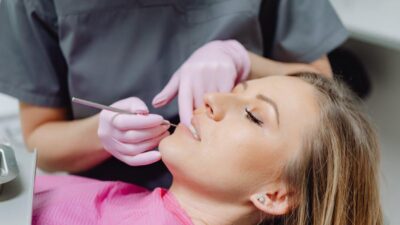
There is a reason dentists watch the teenage mouth so closely. It is a time of real change, when baby teeth are gone and the adult smile begins settling into place. Think of it like a construction site where the structure stands but the final systems still need checking before everything is sealed permanently.
In busy communities like Minnetonka, school schedules, sports and social lives often push dental visits lower on the priority list. Yet these years shape the future of oral health more than most people realize. Choices made between twelve and eighteen often determine how that smile functions, looks and costs to maintain for decades.
In this blog, we will share why the teenage years are the best time to secure long-term oral health, how orthodontic care can influence more than appearance and the daily habits that help teens avoid major dental problems later in life.
The Structural Investment
Beyond cavities and gum health, there is the question of alignment. Crooked teeth are not just a cosmetic issue. They create pockets where food gets trapped. They make flossing nearly impossible. They wear unevenly, meaning some teeth bear the brunt of chewing force while others do nothing. Over decades, this uneven wear leads to fractures, sensitivity and loss of tooth structure.
Correcting alignment during the teenage years is ideal because the bone is still responsive. It is like shaping a young tree versus trying to bend an old one. The teeth move more readily and the results are more stable. Exploring options for braces treatment for teens in Minnetonka during this window ensures that the bite is properly aligned before the jaw stops growing. It is not merely about straightening teeth for appearance. It is about creating a bite that functions efficiently, distributes force evenly and allows for thorough cleaning.
When teeth are straight, the gums fit snugly around them. There are no deep crevices for bacteria to hide. There are no overlapping surfaces that trap food. The mouth becomes easier to maintain and the risk of decay drops significantly.
This is the kind of investment that pays off in ways that are invisible at first but become obvious with age. The person who had braces as a teen is less likely to need crowns in their forties. They are less likely to develop gum disease from trapped debris. And less likely to experience jaw pain from an uneven bite. The value compounds over time.
The Third Molar Decision
Another critical juncture arrives in the late teens with the emergence of wisdom teeth. These third molars are relics of human evolution, useful to ancestors who chewed rough vegetation but largely unnecessary now. The modern jaw is often too small to accommodate them.
When wisdom teeth try to erupt and there is no room, they become impacted. They push against the back of the second molars. They grow at angles. They partially emerge, creating a flap of gum tissue that traps food and bacteria. This leads to infection, decay and damage to adjacent teeth.
The debate about whether to remove them proactively is settled in most dental circles. If imaging shows they will not erupt cleanly, removal during the teen years is safer and easier. The roots are not fully formed. The bone is less dense. Recovery is faster. Waiting until the thirties or forties means dealing with fully developed roots that are more difficult to extract and a healing process that takes longer.
Removing them early prevents the cascade of problems they cause. It protects the healthy molars in front of them and eliminates the risk of cystic growth around impacted teeth.
The Daily Non-Negotiables
Treatments like braces and wisdom tooth removal are major interventions – but the daily habits are what ultimately determine outcomes. No amount of orthodontic work saves a mouth that is neglected.
– Brushing technique matters more than frequency. Scrubbing back and forth wears down enamel. Gentle circular motions with a soft brush clean without damaging.
– Flossing is not optional. The surfaces between teeth are where most decay starts. If flossing is skipped, those surfaces remain uncleaned.
– Water is the best beverage. Rinsing with water after meals dilutes acid. Drinking water throughout the day keeps saliva flowing, which is the mouth’s natural defense system.
– Night brushing is the most important. Saliva flow drops during sleep. Falling asleep without brushing leaves bacteria to feast all night.
These are simple habits, yes. But they are hard to instill in teenagers who feel invincible. The challenge for parents is framing them not as nagging but as essential maintenance for an asset that has to last a lifetime.
This is why the teenage years matter so much. They are the last chance to shape the mouth before it becomes fixed. They are the window where interventions have the greatest effect. They are the period where a little effort and investment yield returns for seventy years.