Buying a home is one of the biggest investments you’ll ever make — and with it comes a long list of documents, inspections, and legal steps. While many buyers focus on the appraisal or home inspection, one document often flies under the radar but can save you serious headaches later: the property survey.
This crucial document doesn’t just draw lines on a map — it can help you avoid costly mistakes, legal disputes, and unexpected surprises after closing. If you’re buying real estate, here’s why the property survey should be at the top of your pre-closing checklist.
What Is a Property Survey?
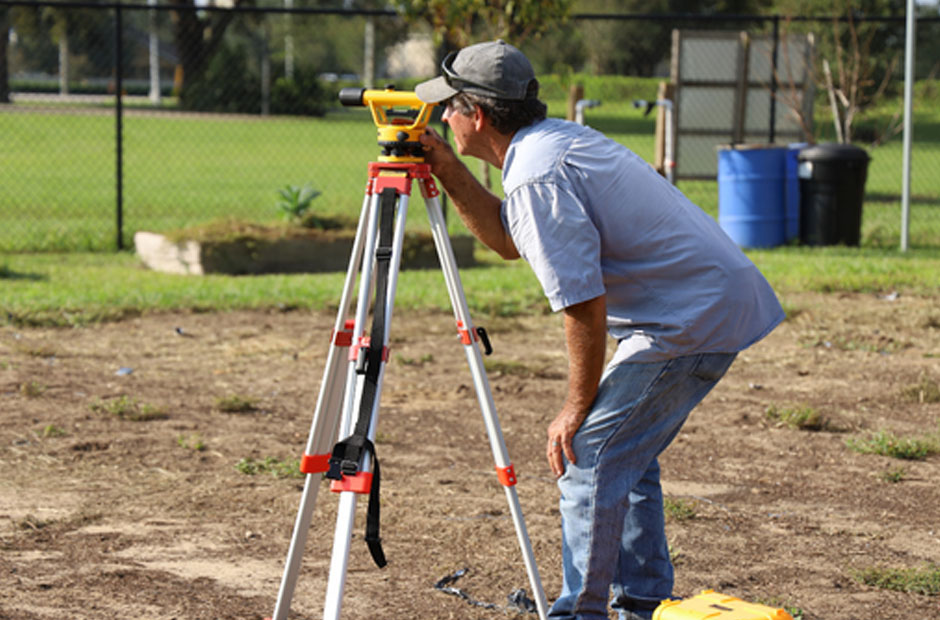
A property survey is a detailed report created by a licensed surveyor that outlines the precise boundaries and physical features of a piece of land. It typically includes:
- Lot lines and exact dimensions
- Location of fences, driveways, structures, and utilities
- Easements and right-of-way access
- Zoning and setback requirements
- Any encroachments or potential issues with neighboring properties
In short, the survey tells you exactly what you’re buying — and ensures you’re not unknowingly inheriting someone else’s problem.
Why It’s Essential — Especially with Property Boundaries
One of the most common (and frustrating) issues buyers face post-closing is discovering that they’ve purchased a property with boundary disputes. This might involve a neighbor’s fence or shed encroaching on your land, or even worse, your home or driveway crossing into someone else’s property.
A property survey identifies these problems early, giving you the opportunity to resolve them before signing on the dotted line. Without it, you could find yourself in a legal battle or forced to remove a structure — on your dime.
Top Reasons to Always Get a Survey
1. Confirms Legal Boundaries
Fences and landmarks aren’t always accurate. A survey confirms the legal property lines so you know exactly where your land begins and ends.
2. Detects Encroachments
It’s surprisingly common to discover after closing that a structure slightly crosses over into a neighbor’s lot — or vice versa. A survey reveals any encroachments that could lead to disputes.
3. Protects Against Future Legal Issues
If a disagreement arises over land use or ownership, the survey becomes your legal foundation. It’s concrete proof of what’s yours.
4. Identifies Easements and Limitations
Many properties have easements for utilities or shared access. These don’t always show up visually but can limit how you use your land. A survey ensures there are no surprises.
When to Order a Survey
The best time to get a property survey is before closing, ideally during the due diligence period. Even if the seller provides a previous survey, it’s wise to order a current one — especially if the property is older, the land is large, or there have been recent additions or construction.
Even if you’re purchasing a property with cash and the lender doesn’t require it, a survey is still your best line of defense.
Types of Surveys You Might Need
Depending on the situation, there are a few different survey types:
- Boundary Survey: Confirms property lines and corners
- Location Survey: Includes boundaries plus physical improvements (like fences, structures)
- ALTA/NSPS Survey: Detailed survey often required for commercial or high-value residential deals
- Topographic Survey: Shows contours, elevation, and terrain details
For most homebuyers, a boundary or location survey is sufficient — but always ask your real estate agent or attorney if you’re unsure.
Real-Life Problems You Can Avoid
Still wondering if a property survey is worth it? Here are just a few real-world issues it can help prevent:
- Disputes over fence or shed placement
- Neighbors claiming part of your yard as their own
- Inheriting a property with boundary disputes from previous owners
- Future construction projects getting delayed or blocked
- Discovering a shared driveway wasn’t disclosed
All of these issues can lead to stress, expenses, and legal fees — and many could have been avoided with a simple survey.
Final Thoughts
While a property survey might seem like just another item on your pre-closing checklist, it’s actually one of the most important. It gives you clarity, legal protection, and peace of mind — all before you make a major financial commitment.
Whether you’re buying a newly built home or a rural fixer-upper, don’t skip the survey. It’s the only way to truly know what you’re buying — and to avoid stepping into a situation involving boundary confusion or disputes down the road.