Power outages can disrupt daily life, making a generator a wise investment for homeowners. Choosing between a whole-home generator and a portable generator requires understanding their unique features and benefits. This guide will help you navigate the differences, providing insights into cost, power capacity, installation, and reliability. Ultimately, the goal is to ensure you select the generator that best suits your home’s needs, keeping your household running smoothly during unexpected power outages.
Whole Home Generator vs Portable Generator: Key Differences
Whole-home and portable generators each offer distinct benefits. The main differences lie in power capacity, coverage, and operation methods. Selecting between the two involves assessing how much power your home needs and the convenience features you prioritize.
Power Capacity and Home Coverage
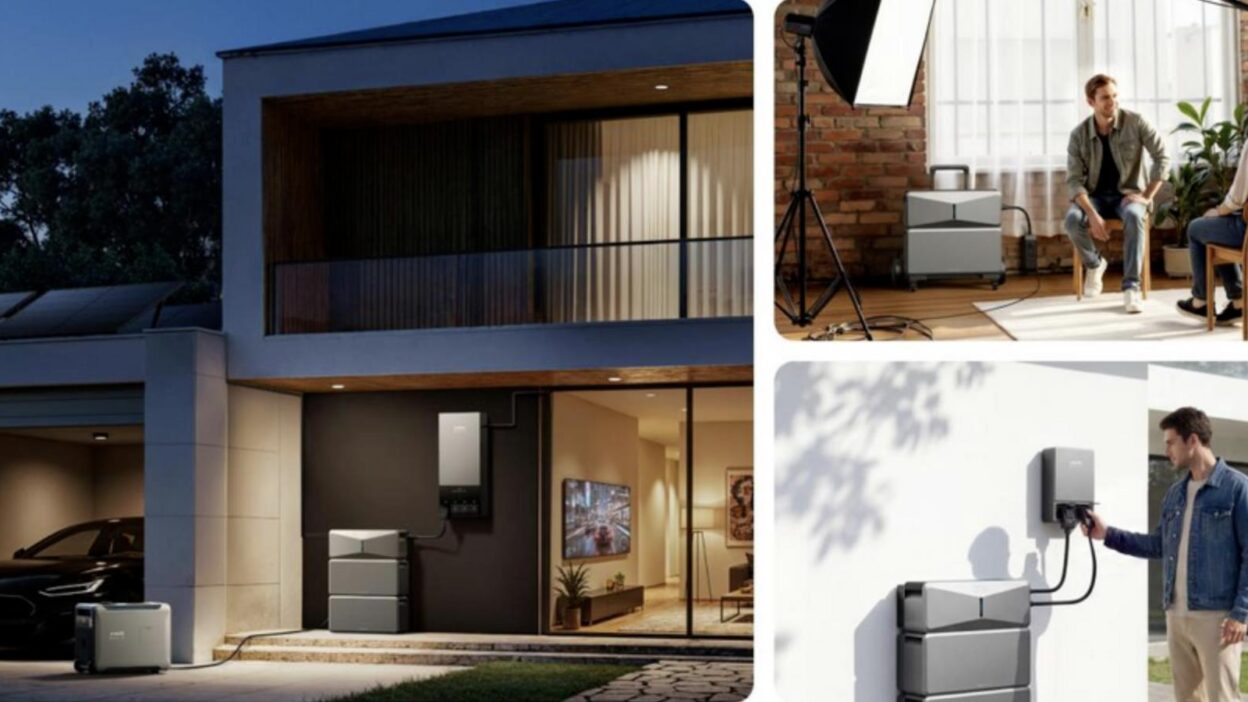
Whole-home generators provide substantial power, often capable of running an entire household seamlessly. They connect directly to your home’s electrical system, ensuring all essential devices and systems remain operational. On the other hand, portable generators typically offer limited power output. They are ideal for running specific appliances or essential equipment. If your household has high power demands or requires uninterrupted power to all circuits, a whole home generator is more suitable. Meanwhile, for smaller homes or those just needing basic functionality, a portable generator can be more practical.
Automatic vs Manual Operation
Whole-home generators often come with automatic transfer switches, simplifying their operation. When a power outage hits, these units detect the loss of utility power and automatically kick in, ensuring seamless power continuity without manual intervention. In contrast, portable generators require manual setup and operation when you need them. You’ll need to manually connect them to your appliances or circuits during an outage. While this provides flexibility, it demands more hands-on management, making portable generators less convenient in situations where immediate power restoration is crucial.
Installation and Setup Comparison
The installation process for whole-home and portable generators varies considerably in complexity, cost, and expertise required.
Professional Installation for Whole-Home Systems
Installing a whole-home generator is a complex task requiring professional expertise. Licensed electricians typically handle the entire process, including system sizing, electrical connections, and adherence to local codes. This ensures safe and optimal performance while reducing risks associated with amateur installations. Furthermore, professional installers can guide homeowners in securing necessary permits and inspections. Despite higher initial costs, professional installation is crucial to ensure operational safety and reliability. Investing in a professional setup provides peace of mind and a warranty for the installation work.
Portable Generator Setup and Safety Requirements
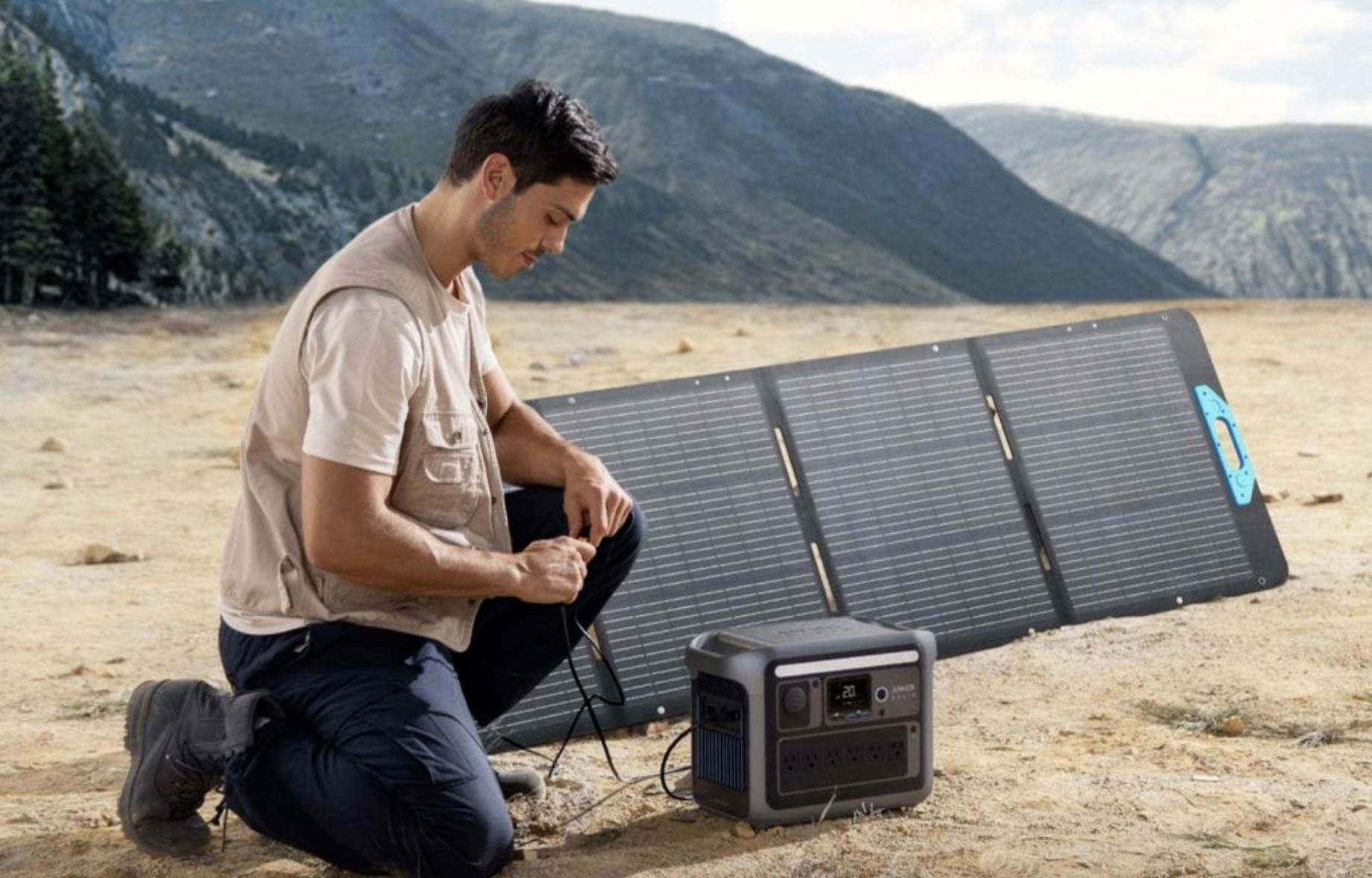
Setting up a portable generator is relatively straightforward, often an attractive option for DIY enthusiasts. However, it still requires attention to safety protocols to prevent carbon monoxide poisoning and electrical hazards. Portable generators should never be used indoors or in enclosed spaces. Use appropriate extension cords and ensure the generator is positioned away from open windows or vents. Ensuring your hands are dry and using proper grounding techniques are vital safety measures. While the setup process is simpler and less costly than whole-home systems, following all safety guidelines is crucial for operational safety.
Cost Comparison: Upfront and Long-Term Expenses
When considering generators, understanding the initial and ongoing costs helps determine overall affordability.
Equipment and Installation Costs
Whole-home generators tend to have a higher upfront cost due to their large size and complexity. Purchasing the unit and hiring professionals for installation can be a significant investment. Portable generators are generally more affordable, particularly if you handle the setup yourself. However, they might require purchasing additional accessories like cords or transfer switches. While both options have varying costs, your budget and power requirements will ultimately dictate the best choice.
Maintenance and Fuel Costs Over Time
In the long run, maintenance costs play a vital role in the total expense of owning a generator. Whole-home generators generally have higher maintenance needs, similar to any permanent home appliance, requiring regular servicing by professionals. However, their fuel consumption efficiencies can offset some of these costs in continuous use scenarios. Conversely, portable generators have lower routine maintenance costs but may consume more fuel per hour during operation. Additionally, fuel availability and storage requirements for portable models might add sporadic costs over time.
Runtime and Reliability During Power Outages
Reliability and runtime are crucial factors when assessing generators for backup power.
Continuous Backup With Whole-Home Generators
Whole-home generators offer reliable, continuous backup power, automatically starting and providing energy as long as there’s fuel. They are designed to handle long-duration outages without putting strain on electrical systems, seamlessly maintaining household operations. These units are powerful enough to support all electrical circuits, making them ideal for areas where power outages are frequent and extended. The generator’s constant connectivity ensures there’s no voltage fluctuation, safeguarding your appliances and electronics.
Fuel Limitations of Portable Generators
Portable generators, while versatile, face limitations with fuel and runtime during power interruptions. Their runtime is restricted by available fuel storage, often necessitating regular refueling in extended outages. The manual nature of their operation means you must be present to keep them running. Additionally, they typically produce less consistent voltage outputs, potentially risking sensitive electronics. While suitable for short-term needs, planning is necessary for long-duration outages to ensure an uninterrupted power supply.
Which Generator Is Right for Your Home?
Choosing the right generator depends on your specific needs and circumstances. If your home demands high power usage or frequent long-term outages, investing in a whole-home generator offers peace of mind with uninterrupted power. However, if you’re seeking a more budget-friendly and flexible solution for occasional outages or emergency use, a portable generator is suitable. Assess your household’s power requirements, budget, and the frequency of power interruptions. Consider your need for convenience versus hands-on operation to make the most informed decision possible.
Conclusion
Your choice of generator ultimately depends on balancing budget, convenience, and power needs. Whole-home generators offer seamless power and reliability at a higher cost but with fewer hands-on demands. Conversely, portable generators are cost-effective and versatile but require manual effort and careful operation. Evaluate your home’s power demands, your personal preferences for convenience, and budget considerations. By understanding these key differences, you can confidently invest in a generator that secures your home’s power needs during outages.