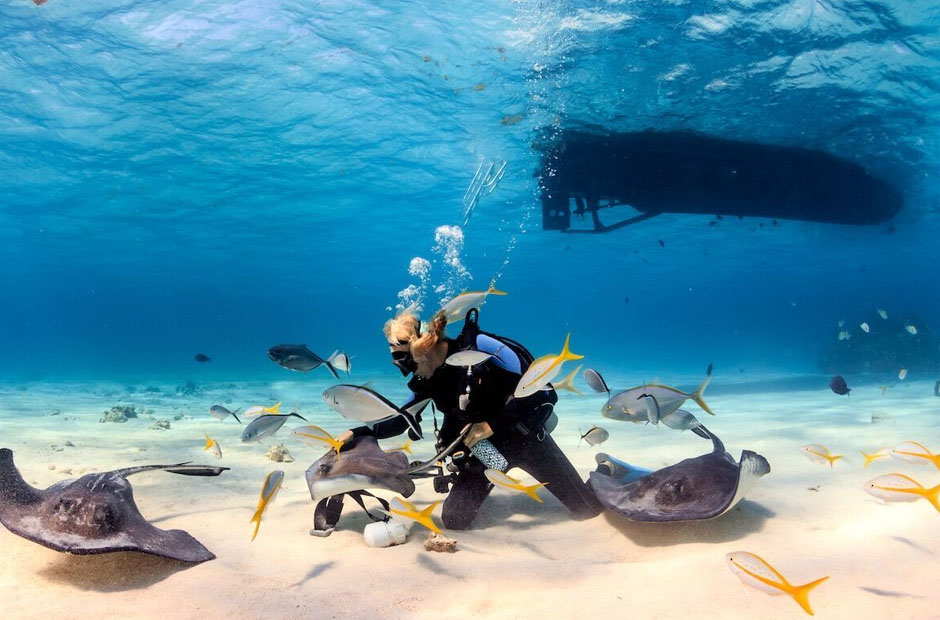
Scuba divers often look for new underwater adventures to explore specific locations that are fun and biodiverse. They choose destinations based on the marine life they want to see, their diving styles, and whether the site has favorable weather conditions. Understanding how factors such as currents and accessibility affect a specific area helps you plan dive trips that meet your goals. Here are a few of the places you can go for your next dive trip:
Australia
The north-eastern coast of Australia includes many dive sites that provide access to the Great Barrier Reef. The reef is one of the largest coral reef systems in the world. It stretches from the northern area near Cape York to waters close to Bundaberg in Queensland. In some locations, shallow reefs can be found alongside deeper sections, which allows for a range of diving experiences.
Because the reef extends across hundreds of islands, visitors have many different areas to explore during a trip. Tourists may encounter marine life such as turtles, various fish species, dolphins, and, in certain seasons, larger animals like whales. Water temperatures are generally warm, and diving excursions are offered during much of the year. Conditions in your dive trip locations will vary depending on the area and season.
Bonaire
For shore divers looking to travel, circumnavigating Bonaire Island allows access to many dive sites throughout a trip. Many of these dive sites are shallow and feature shore entry, which makes them accessible for less experienced divers. Divers may encounter a variety of marine life, including colorful tropical fish, seahorses, and tarpon, while exploring reefs and some nearby shipwrecks. The waters within the Bonaire National Marine Park are often calm, and visibility is frequently good. This makes the area well-suited for underwater photography, although conditions can vary.
Fiji
The islands of Viti Levu and Vanua Levu in Fiji offer different diving environments for travelers to explore on their dive trips. Shark Reef Marine Reserve is known for encounters with pelagic species, particularly sharks, and is an ideal site for experienced divers. Divers there may see species such as bull sharks, blacktip reef sharks, and tawny nurse sharks. Other species, including tiger sharks or whale sharks, are less common and typically seasonal or occasional.
The Great Sea Reef, also known as Cakaulevu Reef, is often described as one of the world’s largest barrier reef systems. It stretches along the northern coast of Vanua Levu. This remote reef is known for its extensive soft coral formations and diverse marine life. It includes large reef fish such as humphead parrotfish, which can sometimes be observed in the area.
Micronesia
Palau is a well-known shark sanctuary in the Pacific, and it attracts divers seeking challenging drift dives. At sites such as Blue Corner, strong currents often carry nutrient-rich water along the reef channel. These conditions can concentrate smaller fish, which in turn draws larger marine animals into the area. Divers may observe grey reef sharks moving through the water. In higher-current zones, experienced divers use reef hooks to maintain position, and this allows them to observe passing sharks without excessive movement when proper training and local guidance are followed.
Schedule Your Next Dive Trips Today
Planning a dive trip requires the expertise of a specialist who is familiar with various global destinations. A consultant who is both an experienced travel agent and certified diver designs safety and knowledge-based itineraries, and they will help travelers find suitable resorts and liveaboards for their trip. Partner with experts who can help streamline everything from choosing the right underwater site to navigating the logistics of your next dive trip.