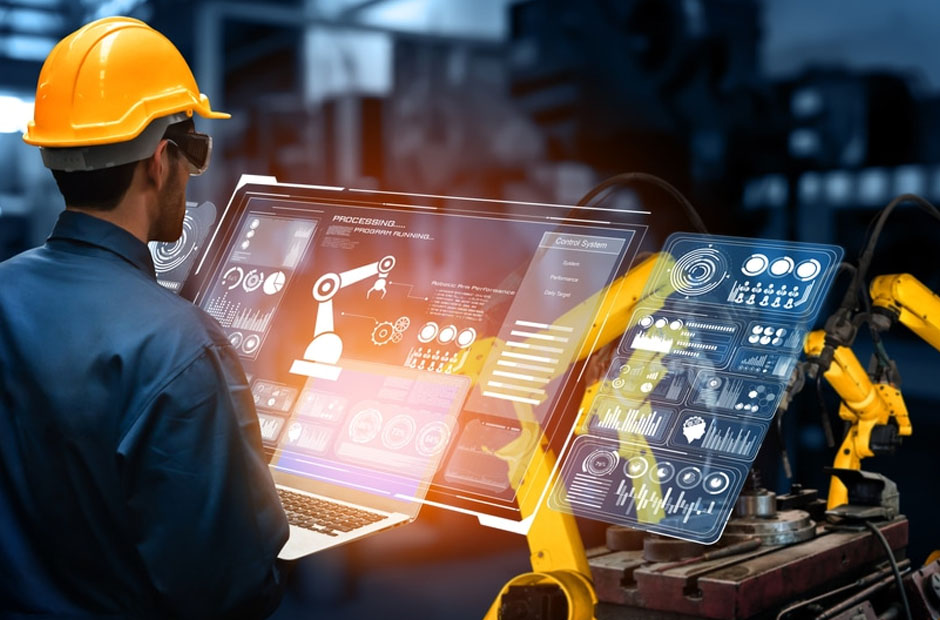
Manufacturing is not only about machines running and products coming out the other side. It is a complex system in which equipment capability, process flow, operator actions, material quality, and timing combine to determine output. When production is not optimized, the same facility can waste hours through stoppages, excess motion, uneven quality, and repeated rework. Optimization focuses on improving both equipment performance and process efficiency to make manufacturing predictable, stable, and scalable. It reduces unnecessary downtime and improves production outcomes. Equipment and process optimization is not a one-time fix. It is a structured approach that identifies bottlenecks, measures current performance, and adjusts settings, workflows, and maintenance routines to improve results. When optimization is applied consistently, manufacturers can increase throughput, reduce waste, lower energy usage, and improve product consistency without necessarily adding new machinery.
What Optimization Covers
Equipment Optimization vs Process Optimization
Equipment optimization focuses on improving machine performance. This includes maintaining equipment reliability, reducing breakdowns, improving cycle time, and ensuring that systems operate at appropriate speeds and pressures. It often involves preventive maintenance schedules, adjustments to machine settings, and the use of monitoring tools to detect wear early. Process optimization, by contrast, focuses on the production workflow. It examines how materials move, how steps are sequenced, how people interact with machines, and how quality is controlled throughout the line. A process may be inefficient even if machines are functioning properly. For example, one station may produce faster than another, leading to buildup and stoppages. Process optimization balances these steps to maintain a steady flow. When equipment and process optimization work together, manufacturing becomes smoother and less reactive. The goal is to reduce variability, because variability transforms production into daily problem-solving rather than controlled output.
Why Optimization Matters Beyond Speed
Optimization is often misunderstood as simply “running faster.” In reality, speed without control increases defects and wear. True optimization improves reliability, quality, and consistency alongside productivity. A plant may already have sufficient equipment to achieve higher output targets, but fails due to unplanned downtime, frequent adjustments, and repeated quality rework. Optimization addresses these issues by identifying root causes rather than treating symptoms. It also improves safety because stable processes reduce rushed behavior and mechanical strain. Many manufacturers also link optimization to resource efficiency. Improved process control results in less scrap material and lower energy consumption per unit. In systems that rely on cooling, rinsing, or treatment loops, operators may also evaluate support solutions to maintain, such as efficient mobile water treatment systems available, because maintaining stable water quality reduces equipment scaling, corrosion, and process variation. Optimization is effective when manufacturers consider the full system—not only the machines that directly contact the product.
Stability Creates Efficiency
Optimization is not just improvement for today. It creates stable production, in which equipment operates predictably, processes flow smoothly, and quality remains consistent without constant correction.
How Equipment Optimization Is Measured
Manufacturers assess equipment optimization using performance indicators that indicate how effectively machines are used. A common concept is Overall Equipment Effectiveness (OEE), which combines availability, performance, and quality into a single view. Availability is the proportion of time a piece of equipment is actually running rather than idle. Performance refers to whether the machine operates at the intended speed rather than running more slowly due to minor issues. Quality measures whether output meets standards without scrap or rework. If a machine has low OEE, optimization efforts target the specific cause—frequent stoppages, slow cycles, or defects. Equipment optimization also includes reducing changeover time. If machines require lengthy setup adjustments between product runs, output suffers even when the equipment is technically capable. Improving setup routines, organizing tooling, and standardizing operating procedures can significantly raise productivity.
Process Optimization and Bottleneck Removal
Process optimization begins by mapping the full production flow. This includes identifying where materials pause, where labor waits, where machines queue, and where quality inspection creates delays. Bottlenecks are critical because the slowest process step limits overall production speed. Optimizing one machine does not help if the next step cannot handle increased volume. Therefore, process optimization focuses on balancing workloads across the line. It may involve redesigning step sequences, adjusting batch sizes, improving material staging, or changing how work is assigned. Process optimization also seeks hidden waste, such as unnecessary movement, repeated handling, and excess inventory buildup. These waste patterns increase lead time and create quality risks. Removing bottlenecks makes output smoother and reduces stop-start behavior, which damages equipment and undermines workflow stability.
Data, Monitoring, and Control in Optimization
Modern optimization depends heavily on data. Manufacturers collect data through sensors, PLC systems, machine logs, and quality-tracking systems. Data reveals patterns that may not be visible through observation alone. For example, a machine may fail at the same time every week due to overload conditions. A process may drift in quality because changes in temperature or material properties affect output. Monitoring helps teams respond before failure occurs. Control systems also enable more precise management of process variables such as pressure, temperature, flow rate, and timing. When these variables stay within stable ranges, defects decrease. Optimization also supports predictive maintenance. Rather than waiting for failures, manufacturers service components based on wear indicators and real performance data. This reduces surprise downtime and improves long-term asset life.
Optimization Culture and Continuous Improvement
Equipment and process optimization is not only technical. It also requires a culture that values continuous improvement. Operators are often the first to notice inefficiencies because they work with the equipment daily. When plants encourage reporting and structured feedback on improvement, optimization becomes faster and more realistic. Training also matters. A well-maintained process can still fail if operators are unsure how to run it consistently. Standard work procedures, clear documentation, and routine checks prevent drift. Optimization efforts often succeed when improvement becomes part of normal operations rather than an occasional project. Consistent small improvements can significantly increase throughput over time.
Optimization Improves Output Without Chaos
Equipment and process optimization in manufacturing entails understanding how machines operate, how production steps are sequenced, and how these are integrated, thereby reducing downtime, stabilizing quality, and increasing throughput by eliminating waste and variability. Equipment optimization focuses on machine reliability, cycle time, and performance measurement. Process optimization focuses on balancing flow, removing bottlenecks, and reducing unnecessary movement and waiting. Data monitoring is strengthened both by revealing patterns and supporting predictive decisions. When optimization becomes part of plant culture, manufacturing becomes more controlled, efficient, and scalable—without relying only on adding more machines or expanding floor space.