Accessing high-quality prosthetic services is an important step for individuals seeking improved mobility, comfort, and independence after limb loss or limb difference. Choosing the right prosthetics clinic in Florida and understanding how to navigate the process can make a meaningful difference in both short-term adjustment and long-term outcomes. With advances in prosthetic technology and a growing focus on patient-centred care, prosthetic services today are designed to support functional goals, lifestyle needs, and overall quality of life.
This article provides practical, informative tips to help patients understand how to access prosthetic services through prosthetics clinics in Florida, from initial referral through ongoing care and support.
Understanding Prosthetic Services
What Prosthetic Services Include
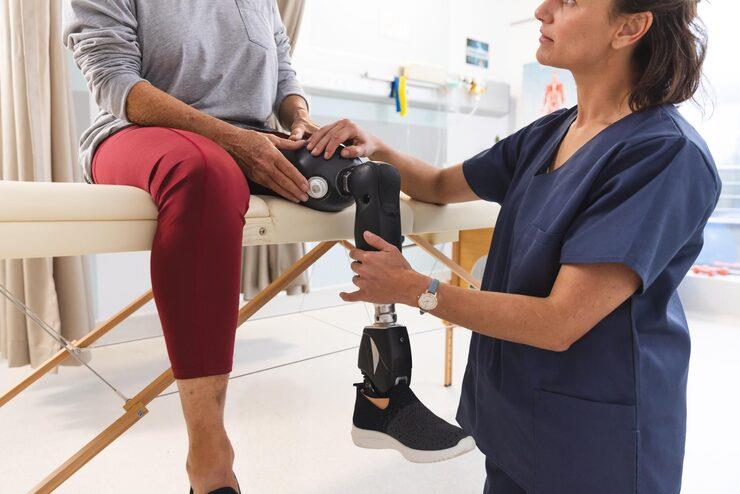
Prosthetic services involve more than simply fitting an artificial limb. Comprehensive services typically include assessment, design, fitting, adjustment, education, and long-term maintenance. A prosthetics clinic in Florida may provide support for upper-limb, lower-limb, and specialised prosthetic devices depending on individual needs.
Prosthetic services often focus on restoring function, improving comfort, and supporting participation in daily activities such as walking, working, or recreational movement.
Who May Benefit from Prosthetic Services
Prosthetic services support individuals with limb loss or limb difference due to a range of causes, including trauma, medical conditions, or congenital factors. Each patient’s needs are unique, which is why a personalised approach is essential when accessing care through a prosthetics clinic in Florida.
Starting the Process at a Prosthetics Clinic in Florida
Obtaining a Referral or Assessment
In many cases, accessing prosthetic services begins with a referral from a healthcare professional such as a physician, surgeon, or rehabilitation specialist. This referral helps ensure that prosthetic care aligns with overall medical management and rehabilitation goals.
Some prosthetics clinics in Florida also offer direct consultations, allowing patients to discuss their needs and explore suitable prosthetic options as part of an initial assessment.
Scheduling an Initial Consultation
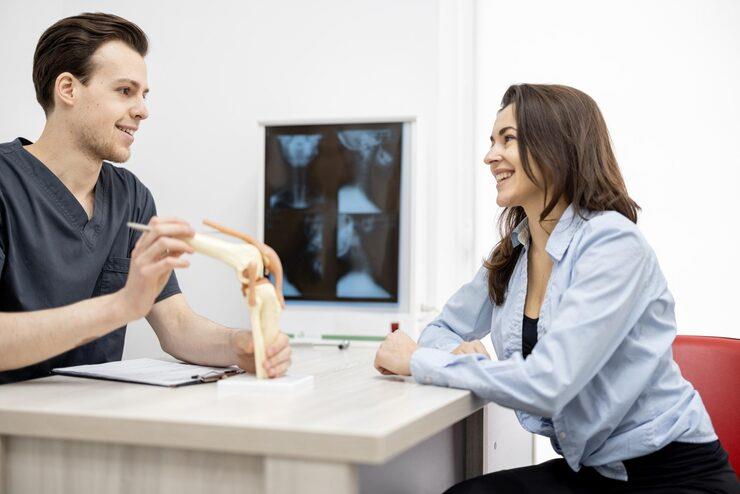
The first appointment at a prosthetics clinic typically involves a detailed discussion of medical history, physical condition, mobility goals, and lifestyle considerations. This consultation allows the prosthetist to understand how prosthetic services can best support the patient’s daily life and long-term function.
Choosing the Right Prosthetics Clinic in Florida
Experience and Qualifications
When selecting a prosthetics clinic in Florida, it is important to consider the experience and qualifications of the clinical team. Certified and experienced prosthetists are trained to assess biomechanics, fit prosthetic devices accurately, and provide ongoing adjustments as needs change.
Range of Prosthetic Services Offered
Not all clinics offer the same scope of prosthetic services. Some may focus on basic prosthetic care, while others provide advanced technologies and specialised components. Choosing a clinic that offers a broad range of services can be beneficial, particularly if future adjustments or upgrades are required.
Patient-Centred Approach
A strong focus on patient education, communication, and shared decision-making is an important indicator of quality care. Prosthetic services should be delivered in a way that respects individual goals, comfort levels, and expectations.
Understanding the Assessment and Fitting Process
Comprehensive Physical Evaluation
Before fitting a prosthetic device, a detailed physical assessment is carried out. This may include evaluation of residual limb health, strength, balance, skin condition, and range of motion. These factors influence both prosthetic design and long-term comfort.
Customised Prosthetic Design
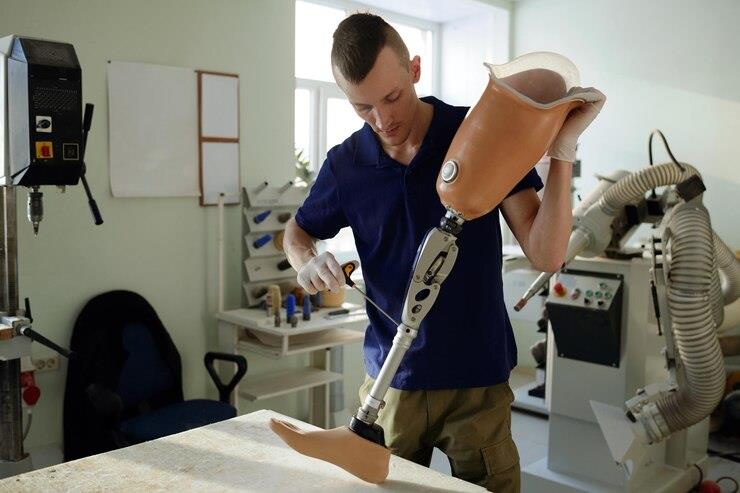
Prosthetic services are most effective when devices are tailored to the individual. Custom design considers factors such as body shape, activity level, work demands, and personal preferences. A prosthetics clinic in Florida may use advanced measurement techniques and digital tools to support accurate fitting.
Trial and Adjustment Periods
It is common for prosthetic devices to require adjustments after initial fitting. Trial periods allow patients to test comfort, alignment, and function in daily activities. Ongoing communication with the prosthetics clinic ensures issues are addressed early.
Navigating Insurance and Financial Considerations
Understanding Coverage for Prosthetic Services
Insurance coverage for prosthetic services can vary depending on the provider and policy. Many prosthetics clinics in Florida offer support in understanding coverage options, documentation requirements, and approval processes.
Discussing Costs Transparently
Clear discussions about potential costs, replacement schedules, and maintenance needs help patients plan effectively. Understanding long-term financial considerations is an important part of accessing prosthetic services with confidence.
Planning for Long-Term Care
Prosthetic devices may require periodic updates, repairs, or replacements over time. Planning for ongoing care ensures continuity of support and helps maintain function and comfort.
Rehabilitation and Training Support
Learning to Use a Prosthetic Device
Prosthetic services often include education and training to help patients adapt to their device. This may involve learning how to walk, grasp objects, or perform daily tasks safely and efficiently.
Working with Rehabilitation Professionals
Collaboration between prosthetics clinics and rehabilitation professionals such as physiotherapists or occupational therapists supports smoother adjustment and improved outcomes. Coordinated care helps patients build confidence and functional skills.
Monitoring Progress Over Time
Regular follow-up appointments allow prosthetists to assess progress, address concerns, and adjust devices as needed. Long-term engagement with a prosthetics clinic in Florida supports sustained mobility and comfort.
Importance of Follow-Up and Maintenance
Routine Check-Ups
Even well-fitted prosthetic devices may require changes as the body adapts or activity levels increase. Routine reviews help identify wear, alignment issues, or changes in fit.
Skin and Limb Health Monitoring
Prosthetic services also focus on protecting residual limb health. Monitoring skin condition, pressure points, and comfort reduces the risk of irritation or injury.
Adapting to Lifestyle Changes
Changes in weight, activity level, or health status may affect prosthetic fit and performance. Ongoing access to a prosthetics clinic ensures devices remain suitable over time.
Supporting Emotional and Lifestyle Adjustment
Acknowledging the Adjustment Process
Adapting to a prosthetic device is both a physical and emotional process. Quality prosthetic services recognise this and provide support that goes beyond technical fitting.
Building Confidence and Independence
A well-fitted prosthetic device can support independence and participation in everyday activities. Access to professional guidance helps patients feel more confident using their prosthesis in different environments.
Connecting with Support Resources
Some prosthetics clinics in Florida can guide patients towards peer support or educational resources that encourage long-term engagement and wellbeing.
Making Informed Decisions
Asking the Right Questions
Patients are encouraged to ask about prosthetic options, expected outcomes, maintenance requirements, and follow-up care. Open communication supports better decision-making.
Setting Realistic Expectations
Understanding what prosthetic services can and cannot achieve helps align expectations with practical outcomes. This supports satisfaction and long-term engagement with care.
Reviewing Progress Regularly
Prosthetic needs may evolve, making regular reassessment an important part of ongoing care through a prosthetics clinic in Florida.
Final Thoughts
Accessing prosthetic services through a reputable prosthetics clinic in Florida involves careful planning, informed decision-making, and ongoing collaboration with experienced professionals. From initial assessment and fitting to rehabilitation, maintenance, and long-term support, prosthetic services are designed to enhance function, comfort, and independence. By understanding the process and engaging actively with care providers, patients can make confident choices that support their mobility and quality of life over time.