Why Aluminum Needs a Thermal Break
Aluminum windows are beloved for their slim profiles and rock-solid durability, the kind of crisp lines architects sketch when they want views to feel unbroken. But aluminum is also a heat superhighway. With thermal conductivity in the ballpark of 160–200 W/(m·K), an unbroken aluminum frame becomes a direct bridge between outdoors and indoors, siphoning heat, inviting condensation, and undermining energy goals. A thermal break interrupts that highway with a non-conductive section, turning a metal thoroughfare into a controlled intersection.
What a Thermal Break Actually Is
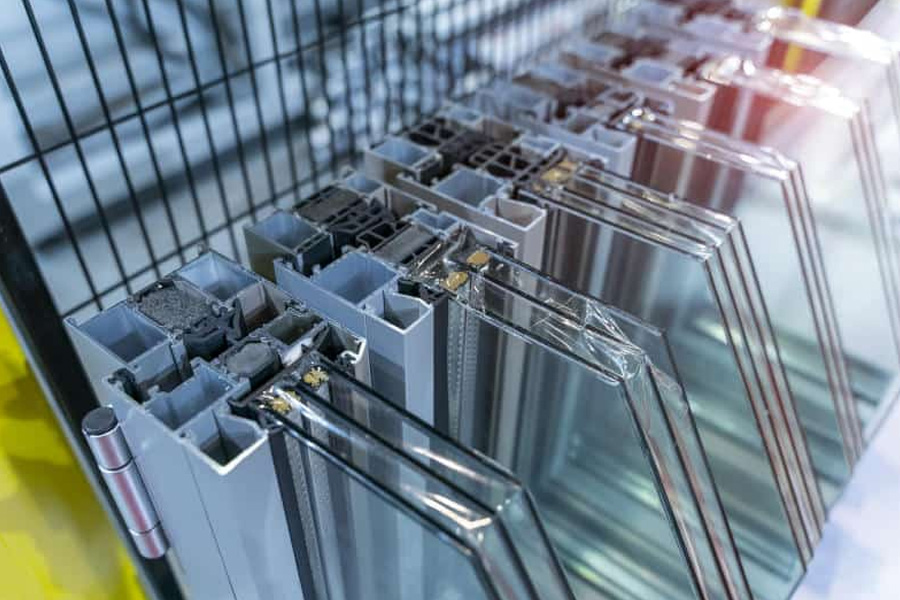
Picture the frame split into two halves—outside and inside—joined by a carefully engineered insulator. Common break materials include fiberglass-reinforced polyamide (a tough, stable nylon around 0.3 W/(m·K)) and polyurethane used in poured-and-debridged systems (around 0.02–0.03 W/(m·K)). The break width typically ranges from 15 to 40 mm. Go wider and you get better insulation; go narrower and you preserve ultra-slim sightlines. The trick is balancing structural strength with thermal resistance so that the window still carries loads without acting like a radiator.
How Frames Are Built
Manufacturers take two main paths. In crimped or rolled systems, polyamide strips slide into precisely milled grooves in the aluminum and the metal is mechanically crimped to lock it in place—a robust connection with excellent repeatability. Poured-and-debridged takes a monolithic aluminum profile, fills a channel with polyurethane, cures it, then machines away the metal to leave two thermally isolated halves tied together only by the polyurethane. That second approach often yields slimmer frames and striking aesthetics, but it’s more labor-intensive.
Performance in Numbers
Thermal breaks change the frame’s energy story compared to aluminium. Common frame U-factors (Uf) are: unbroken aluminium (5.0-7.0 W/(m²K; leaky)) and a 15 mm break (2.5-3.5 W/(m²K; good)). When stretched to 25 mm, 1.8-2.5 W/(m²K) is seen, while aluminium profiles with 35 mm+ cracks can reach 1.2-1.8 W/(m²K). Vinyl and wood offer better thermal insulation than aluminium (1.0-1.3 W/(m²K) and 1.3-1.8 W/(m²K)), but aluminium offers strength and slimness that lighter materials cannot match in big spans.
Glass Drives the Story
Whole-window numbers (Uw) depend on the glass-to-frame ratio and the glazing package. In a typical unit where glass dominates—say 60% glass, 40% frame—thermally broken aluminum paired with quality double-pane low-E glazing trends around 1.6–2.0 W/(m²K). Upgrade to triple-pane low-E and you’re in the 1.0–1.4 W/(m²K) zone. Comparable high-performance vinyl alongside triple-pane glazing usually lands near 0.8–1.1 W/(m²K). Translation: aluminum can get very good, but vinyl tends to be better on energy numbers dollar-for-dollar unless you need aluminum’s structural prowess.
Condensation: The Winter Reality
Cold nights expose a simple truth—interior frame surfaces that fall below the room’s dew point will sweat. Unbroken aluminum frames invite condensation almost immediately, particularly in colder climates. Thermal breaks raise interior surface temperatures and improve Condensation Resistance Factor (CRF). Standard aluminum often sits around CRF 15–30, while a 15–20 mm break lifts that to roughly 45–55, and 25–35 mm breaks typically deliver CRF 60–75. Vinyl commonly lives in the 65–80 range. In practice, narrow-break aluminum can still bead up when temperatures drop to –5°C to –10°C with moderate indoor humidity; wider breaks tame the drip.
Dollars and Design: Cost and Value
Thermally broken aluminum is a premium play. Installed pricing often lands around $550–750 per square meter for narrow-break systems, $750–1,000 for wider breaks, and $900–1,200 for high-performance lines. Vinyl of similar size and glazing usually sits 30–50% lower. So why pay more? You’re buying structural strength, clean lines, color stability, and long-term durability in punishing environments—qualities that matter for tall frames, broad openings, coastal projects, and commercial spaces that need to keep working long after fashion changes.
Where Aluminum Shines
The brief states “large, minimal, and muscular,” thus aluminium shows up. Stiffness and thin sightlines are valued in floor-to-ceiling glass walls, lift-and-slide doors above three meters, and curtain walls in wind-exposed buildings. With the correct finish, aluminium resists salt air, UV, rot, impact, and temperature changes better than many other materials. Powder coating and anodising produce stable, sophisticated colours, and aluminum’s recyclability simplifies end-of-life handling—it can be remelted without losing quality.
Trade-offs and Gotchas
There’s a thermal ceiling: even with generous breaks, aluminum frames rarely dip below 1.2 W/(m²K) on Uf, and whole-window numbers depend on the glass you choose. Expansion and contraction are real—aluminum moves, roughly 23 x 10⁻⁶ per °C—so dark frames that bake to 70–80°C need careful gaskets, clearances, and sealants to manage movement. Frames are heavier than vinyl, so hardware and anchoring must be robust. Coastal projects demand vigilant detailing to avoid moisture-related corrosion at interfaces. And yes, narrow-break frames can still collect condensation on the chilliest mornings.
Chasing Passive House
To meet Passive House standards, frame Uf and whole-window Uw must be ≤ 0.8 W/(m²K) with tight installation psi-values. Aluminium works, but it needs 35–50 mm thermal breaks, triple-pane low-E glass, warm-edge spacers, and careful installation. Systems that are certified are expensive and complicated. Many home passive designs use vinyl or wood for easier routes to the goal, keeping aluminium in the conversation when scale and design warrant the price.
When to Pick Aluminum vs. Vinyl or Wood
When spans are large, lines must be razor-thin, or the environment is harsh, choose thermally broken aluminium. Large sliding units, tall fixed frames, and commercial façades benefit from aluminum’s stiffness and durability. Vinyl wins on cost and thermal measures in normal dwellings where energy efficiency dictates the budget and sizes are standard. With proper maintenance, wood can gracefully insulate ancient aesthetics, warm interiors, and harsh cold.
Care, Finish, and Lifespan
These frames don’t ask for much—routine washing with mild soap, an annual touch of lubricant on hinges and rollers, and clear weep holes keep them breathing. Expect 30–50 years from the aluminum structure, with polyamide breaks holding strong for decades. Glazing seals may need refresh around the 20–25-year mark. Anodized finishes often last 20–30 years before refinishing; powder coats typically look sharp for 15–25 years depending on sun exposure and color choice.
FAQ
Do thermally broken aluminum windows stop condensation entirely?
No, but they significantly reduce it. Wider breaks and proper humidity control make a noticeable difference in cold weather.
Are aluminum frames better than vinyl for energy efficiency?
Not typically. Vinyl generally achieves lower U-factors at lower cost, while aluminum excels in strength and slim profiles.
What break width should I choose?
Around 25–35 mm is the sweet spot for cold climates, balancing insulation with sleek sightlines and realistic budgets.
Will dark-colored aluminum frames warp in the sun?
They won’t warp, but they expand with heat, so good design practices—gaskets, clearances, flexible sealants—are essential.
Can aluminum windows meet Passive House?
Yes, but it’s rare and costly. You’ll need wide breaks, triple-pane glazing, warm-edge spacers, and meticulous installation.
How long do thermally broken frames last?
The aluminum typically lasts 30–50 years, with the thermal break materials aging slowly; glazing seals may need mid-life replacement.
Are they suitable for coastal homes?
Absolutely, with proper finishes and detailing. Powder coating or anodizing plus smart drainage help manage salt and moisture.
Do they improve sound insulation?
Frame contribution is modest; most acoustic performance comes from the glazing package and seals rather than the frame material.
Is maintenance difficult?
It’s light—regular cleaning, clearing weep holes, and occasional hardware lubrication keep everything moving smoothly.
Are poured-and-debridged frames stronger than crimped systems?
Both can be robust when well-made; poured-and-debridged often achieves slimmer sightlines, while crimped systems are highly repeatable and durable.