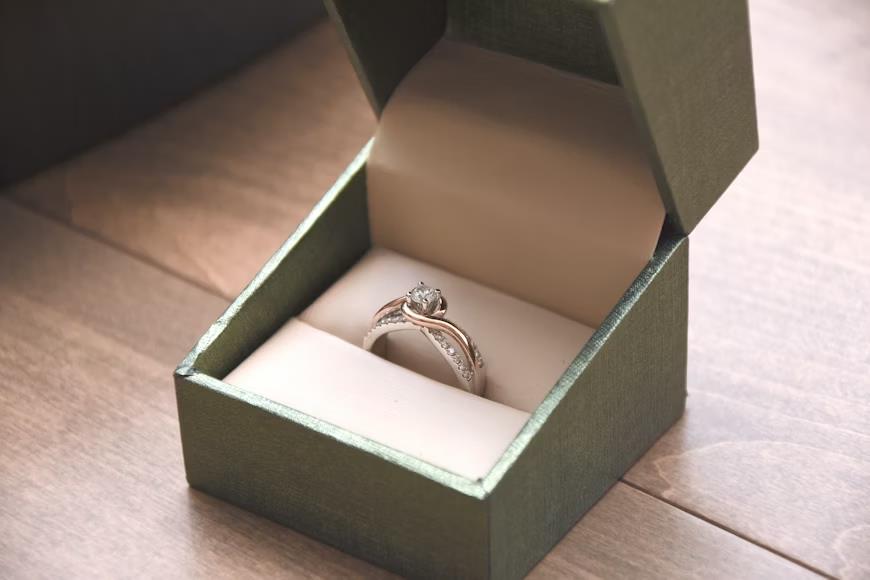
Purchasing an engagement ring is a huge purchase for most people.
However… Most people walk into a jewelry store completely unprepared. They get overwhelmed. Confused by all the options and terminology. And spend far more money than necessary on the wrong ring.
The good news is:
Shopping for the perfect engagement ring doesn’t have to be that way. With a few simple tips and a little patience, it’s easy to find a stunning ring that your loved one will treasure forever.
What You’ll Learn
- Why Research Is Important Before Shopping
- Simple Explanation of the 4 C’s
- Choosing the Right Metal
- Setting Styles That Matter
- Budgeting Tips That Work
Why Research Is Important Before Shopping
Did you know…
According to research from Jewelers Mutual, 80% of people who buy engagement rings do their research beforehand. In other words, there’s a lot of homework being done before the credit card gets swiped.
And for good reason.
Diamond and sapphire jewelry is a substantial investment. Spending some time learning about what makes a quality ring helps smart buyers avoid overpaying. When it comes to searching for romantic engagement rings, knowing the basics of gemstone quality and ring construction helps immensely.
So start by doing some research at least 1-3 months ahead of the purchase. This leaves ample time to:
- Learn about different gemstone options
- Price check across different retailers
- Determine the recipient’s style preferences
- Set a realistic budget
Don’t rush this step. Patience is a virtue.
Simple Explanation of the 4 C’s
Every engagement ring guide will cover the 4 C’s of diamond quality. But most do so in a complicated way.
Here’s the simple version…
Cut
The cut refers to how well the diamond has been shaped. A well-cut diamond sparkles more than one that has been poorly cut. This is the most important factor because it affects the stone’s ability to reflect light.
Colour
The colour rating measures how clear or yellow a diamond appears. The scale runs from D (colourless) to Z (noticeably yellow). A couple grades up or down in colour are indistinguishable to most people.
Clarity
The clarity grade looks at imperfections in the diamond’s interior. The fewer imperfections, the higher the clarity rating. But keep in mind that many of these internal blemishes are invisible to the naked eye.
Carat
The carat weight is the stone’s weight. Bigger doesn’t mean better if the other C’s are lacking.
The secret? Cut should be the primary consideration. A smaller, well-cut diamond will always look better than a larger poorly cut one.
Choosing the Right Metal
The type of metal you choose for the ring band also matters.
The most popular metals right now are white gold and yellow gold. Each accounts for around 36% of total sales according to the latest industry reports. Platinum is a distant third at 13%, followed by sterling silver and rose gold.
Each metal has its own pros and cons…
- White Gold: Classic appearance, versatile with most diamond colours
- Yellow Gold: Warm, vintage look, making a comeback
- Platinum: The most durable metal, naturally white, hypoallergenic
- Rose Gold: Romantic, unique colour, easy to care for
Consider what other jewelry the recipient typically wears. Gold? Silver? Matching the metal to their style shows forethought.
Consider lifestyle too. Someone with manual labour may need a stronger metal like platinum.
Setting Styles That Matter
The setting refers to how the stone is held in place. Many people overlook it while focusing entirely on the diamond. A mistake.
The right setting can make a lower-quality stone look amazing. The wrong setting can ruin even an expensive stone.
Here are the most common settings…
Solitaire: A single stone, classic and timeless.
Halo: Surrounds the centre stone with smaller diamonds. Creates an illusion of a larger centre stone, more sparkle. Halo ring designs are increasing in popularity by 25% each year.
Three-Stone: Small stones on either side of a larger centre stone, representing past/present/future. More maintenance required.
Pavé: Tiny diamonds are embedded into the band. Adds extra sparkle and a luxurious touch to any setting.
Solitaire is great for someone who likes clean, simple designs. Halo works well if you want extra glamour. Three-stone is meaningful but requires more upkeep. Pavé has a high-end feel.
Budgeting Tips That Work
Engagement rings are a big purchase. The average engagement ring cost was $5,200 in 2024. But “average” doesn’t tell you much on an individual basis.
Forget the arbitrary rules of old. Three months salary? Invented by a diamond company in the 1930s to increase profits. There is no set spending amount that applies to everyone.
Take a smarter approach instead:
- Set a firm budget before you start shopping
- Don’t go into debt buying a ring
- Consider lab-grown diamonds
- Go one or two grades lower in colour/clarity
- Choose a setting that maximises appearance
Lab-grown diamonds have the same physical properties as mined diamonds but are much cheaper (50-70% less). They’re getting more popular with budget conscious shoppers who don’t want to sacrifice quality.
Also don’t obsess over carat weight. A well-cut 0.9 carat stone will often look just as impressive as a poorly cut 1.2 carat diamond. Dropping slightly below standard weight categories can save big money.
Shopping with your partner is another option. Almost 50% of all couples now shop for engagement rings together. Removes the guesswork entirely.
Common Mistakes To Avoid
There are a few common mistakes that engagement ring buyers make even with good research.
Paying no attention to the recipient’s style. Watches they wear? Earrings? Necklaces? Focus on their preferred metal, design, and colour. This is what you need to know.
Buying online without seeing the ring in person. Pictures can lie. Viewing the ring in person ensures there are no surprises. Buyers visit an average of five jewelers before purchasing.
Neglecting insurance on the ring. Engagement rings are often the third most expensive purchase people make. Make sure the investment is insured.
Wrapping It Up
Buying the perfect engagement ring is mostly about being prepared and having the right priorities.
Do the research first. Spend time learning about the 4 C’s of diamonds, metal options, and setting styles. Remove the mystery out of the buying process.
Keep these pointers in mind:
- Do your homework before shopping
- Focus on the cut of the diamond, not carat size
- Match metal colour to other jewelry
- Select a setting that suits their style
- Set a realistic budget and don’t exceed it
The perfect ring doesn’t have to be the most expensive ring. Just the one chosen with care. That’s what makes it special.
Take the time to get it right. The person you’re buying for deserves that much at least.