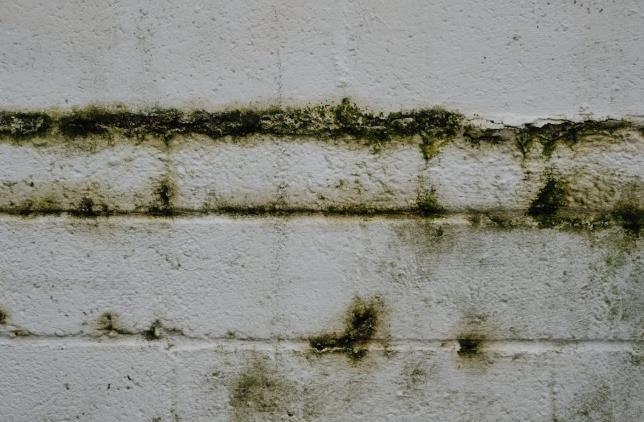
Most people look for mold where they can see it—around the shower, near a leaky sink, or on basement walls. The problem is that mold rarely stays in plain sight for long. It grows where moisture lingers, and many of those spots sit behind surfaces or in areas people rarely check.
This is why hidden mold often turns into a bigger and more expensive issue. Knowing where it tends to grow gives you a real advantage. If you understand the common hiding spots, you can catch problems early and avoid major damage later.
Where Moisture Gets Trapped Inside Your Walls
Mold inside walls usually starts with a small issue that goes unnoticed. A slow pipe leak, a tiny roof gap, or even condensation can soak into drywall over time. Since walls don’t dry out easily, moisture stays trapped, creating the right conditions for mold to grow quietly.
You won’t see mold directly in most cases, so you have to rely on subtle signs. Paint that starts to bubble or peel often points to moisture behind the surface. A soft or slightly swollen section of wall can also signal a deeper problem. Pay close attention to walls near plumbing lines, especially in bathrooms and kitchens.
Opening a small section early can prevent a much larger repair later.
Closets and Storage Areas That Trap Humidity
Closets often hold more moisture than expected, especially when packed tightly with clothes and boxes. Air doesn’t move freely in these spaces, so humidity gets trapped and stays there. Fabrics can absorb that moisture, creating a surface where mold can grow.
Spacing items out and allowing air to circulate helps prevent buildup. Leaving the closet door open occasionally can also improve airflow. Many homeowners only start asking how much does mold removal cost after finding mold on stored items, which often means the issue has been developing for some time.
What’s Lurking Beneath Your Carpet and Padding
Carpet hides moisture better than most surfaces in your home. When water seeps in from a spill, leak, or humidity, it often settles into the padding underneath. The top layer can dry out quickly, giving the impression that everything is fine, while dampness remains below.
This is where mold begins to form, out of sight. Over time, you might notice a musty smell that doesn’t go away even after cleaning. In some cases, the carpet may feel slightly damp or cooler in certain spots.
After any water exposure, it’s important to lift the carpet and check underneath rather than assuming it will dry on its own. Padding often needs replacement once it absorbs moisture. Ignoring this step allows mold to grow without interruption.
Why Your Air Ducts Can Spread Mold Around the House
Air ducts don’t seem like a place where mold would grow, but they collect dust, moisture, and debris over time. When condensation builds inside the system, it creates an environment where mold can develop and stay hidden.
Once mold forms in your HVAC system, it doesn’t stay contained. Each time the system runs, it can push mold spores into different rooms. This can affect air quality and lead to ongoing odors that are hard to trace.
If you notice a musty smell when your heating or cooling system turns on, it’s worth investigating. Regular maintenance, including filter changes and occasional duct inspections, helps reduce the risk. Keeping humidity levels under control also plays a big role in preventing buildup inside the system.
The Damp Reality of Crawl Spaces Under Your Home
Crawl spaces tend to stay out of sight and out of mind, which makes them one of the most common areas for mold growth. These spaces often deal with ground moisture, poor airflow, and limited sunlight. Once humidity builds up, it doesn’t leave easily.
Wood beams and insulation in crawl spaces absorb moisture over time. This creates a steady environment where mold can grow without disturbance. You may not notice it directly, but the smell can travel upward into your living areas.
Checking your crawl space periodically can prevent long-term issues. Look for damp soil, condensation on surfaces, or visible growth on wood. Installing a vapor barrier and improving ventilation can make a big difference in keeping this area dry and stable.
When Poor Attic Ventilation Leads to Hidden Growth
Attics often trap heat and moisture, especially when ventilation is not working properly. Warm air rises from the living space below, and if it cannot escape, it creates condensation on wood and insulation. Over time, this moisture becomes a breeding ground for mold.
Roof leaks also contribute to the problem, even small ones. Water can seep in slowly and spread across surfaces without immediate signs. By the time you notice staining or damage, mold may already be present.
Inspecting your attic a few times a year helps catch early warning signs. Look for dark spots on wood, damp insulation, or a musty smell. Proper airflow and insulation adjustments can reduce moisture buildup and keep the space dry.
Basement Corners Where Airflow Stays Limited
Basements naturally attract moisture because they sit below ground level. Water from the soil can move through concrete, and humidity tends to stay higher in these spaces. Corners often have the least airflow, which allows moisture to settle and stay in place.
Mold growth in basement corners can go unnoticed for a long time, especially if the space is used for storage. You may first notice a persistent musty smell before seeing visible signs.
Check along baseboards, behind stored items, and near foundation edges. Using a dehumidifier helps control moisture levels, especially during humid seasons. Keeping items slightly away from walls also improves airflow and reduces the chance of hidden growth in those tight spaces.
Mold rarely grows in places you check every day. It settles in areas where moisture stays hidden and airflow is limited. That’s why many infestations go unnoticed until the damage becomes harder to manage.
A simple habit of checking these overlooked spots can make a big difference. Pay attention to small changes like odors, damp surfaces, or minor leaks. These early signs often point to deeper issues that need attention.
Keeping your home dry and well-ventilated remains the most effective way to prevent mold. Regular inspections, even quick ones, help you stay ahead of problems. When you know where to look, you reduce the chances of mold spreading and protect both your home and your health.