In Irving, water damage often starts quietly. A small pipe leak, a clogged drain, or even heavy rain can let water slip into places you don’t check every day. Many homeowners wipe up the visible water and assume the problem is solved. The real issue begins when moisture stays trapped behind walls or under flooring. That hidden moisture can slowly damage your home without clear signs at first.
By the time you notice something is wrong, the repair work is often bigger and more expensive than expected. Understanding what happens beneath the surface helps you act early and avoid long-term damage.
Why Water Damage Gets Overlooked
Most people judge water damage by what they can see. A damp spot on the wall or a small puddle on the floor may not seem urgent. The problem is that water rarely stays in one place. It spreads through materials like drywall, wood, and insulation.
Homeowners often delay action because the signs seem minor. Over time, that delay allows moisture to settle deeper into the structure. By the time visible damage appears, the repair process becomes more complex and costly than it needed to be.
How Moisture Weakens Your Home Structure
Water changes how building materials behave. Wood absorbs moisture and starts to lose its strength. Floors may feel slightly uneven at first, then begin to warp or shift. Drywall softens and can break apart with light pressure. Even concrete can develop issues when water seeps in over time. These changes do not happen all at once, which makes them easy to ignore. A small leak can slowly affect large sections of your home without a clear warning. This is why many homeowners choose to act quickly and reach out to 24 hour emergency services in Irving before the damage spreads further. If you delay repairs, the structure may need partial replacement instead of simple fixes. Early detection keeps the damage contained and makes it easier to manage.
Mold Growth Starts Before You Notice
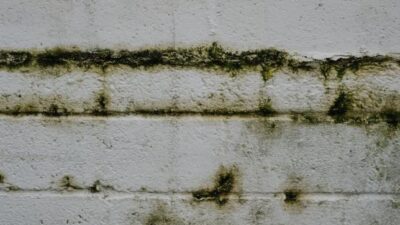
Mold does not need much time to begin forming in damp spaces. Once moisture stays trapped, mold can grow behind walls, under carpets, or inside air vents. You may not see it right away because it spreads in hidden areas first. The early signs are often subtle, like a faint musty smell or slight discoloration. Many homeowners ignore these signs or assume they are harmless. Mold continues to grow as long as the environment stays damp. By the time it becomes visible, it may already cover a larger area. Acting early helps prevent the spread and reduces cleanup effort.
Health Effects Linked to Damp Indoor Spaces
Living in a damp environment can affect your health in ways you might not expect. Mold spores and poor air quality can trigger coughing, sneezing, and throat irritation. People with asthma or allergies often feel the effects more quickly. Children and older adults may also experience discomfort sooner. Even if symptoms seem mild at first, they can continue as long as the moisture problem remains. Many homeowners do not connect these health issues to hidden water damage. Fixing the source of moisture improves indoor air quality and creates a safer living space for everyone in the home.
Hidden Electrical Risks After Water Exposure
Water and electricity are a dangerous combination, especially when moisture reaches wiring or outlets. Even a small leak can affect electrical systems behind walls or under floors. You may not notice a problem until lights flicker or devices stop working properly. In some cases, damaged wiring can lead to short circuits or increase the risk of fire. Using appliances in affected areas can also become unsafe. It is important to avoid guessing whether the system is fine. A proper inspection ensures that all electrical components are dry and safe to use, reducing the risk of serious damage or accidents.
Why Musty Smells Should Never Be Ignored
A musty smell inside your home is often one of the first signs of hidden moisture. Many people try to mask it with air fresheners, but that does not solve the actual problem. The smell usually comes from damp materials like wood, drywall, or carpet padding. These materials hold moisture for long periods, even after the surface looks dry. Over time, the odor becomes stronger and spreads to other rooms. Ignoring it allows the underlying issue to grow. It is important to locate the source of the smell and address the moisture directly. Proper drying and cleaning help remove both the odor and the cause behind it.
How Water Damage Attracts Unwanted Pests
Moist environments create the right conditions for pests to move in. Insects like termites, ants, and cockroaches are drawn to damp wood and dark spaces. Once water damage weakens materials, pests find it easier to enter and settle inside walls or floors. Rodents may also take advantage of softened structures to create nesting areas. These problems often develop quietly, just like the water damage itself. Homeowners may not notice until the infestation grows. Fixing the moisture issue reduces the chances of pests returning. Keeping affected areas dry and sealed is one of the most effective ways to protect your home from further damage.
How Delays Turn Small Issues Into Big Repairs
Many homeowners wait to fix water damage because the problem seems manageable at first. A small leak or stain may not feel urgent, but water continues to spread and settle into materials. Over time, the damage becomes harder to control. What could have been a simple repair may turn into replacing sections of flooring, walls, or insulation. Delays can also affect insurance claims, especially if the damage is seen as preventable. Acting early keeps the problem contained and easier to fix. It also reduces disruption to your daily life. Quick decisions often lead to lower repair costs and less stress overall.
Early Signs Every Homeowner Should Watch For
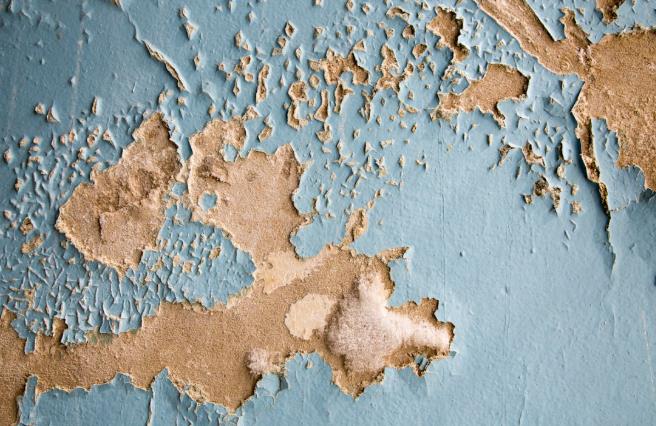
Water damage often shows small warning signs before it becomes serious. You might notice paint starting to peel or bubble on walls. Floors may feel slightly soft or uneven in certain spots. Stains on ceilings or walls can also point to hidden leaks. Another common sign is an increase in indoor humidity without a clear reason. These signs are easy to overlook, especially if they seem minor. Paying attention to these changes helps you catch problems early. A quick inspection when you notice something unusual can prevent further damage and keep repairs simple.
Water damage is rarely limited to what you can see. Hidden moisture can affect your home’s structure, air quality, and safety over time. Many problems start small but grow when ignored. The key is to stay alert and act quickly when you notice early signs. Simple steps like checking for unusual smells, stains, or changes in your home can make a big difference. Addressing the issue early helps protect your property and avoids unnecessary repair costs. A timely response keeps your home safe, stable, and comfortable for the long term.