Key Takeaways
- Choosing the right commercial roofing system directly impacts durability, energy efficiency, and long-term operational costs.
- Popular options such as BUR, modified bitumen, single-ply membranes, metal, and green roofs each offer unique advantages depending on building needs and climate.
- Climate considerations, especially in high-rainfall regions, play a critical role in determining the most effective roofing solution.
- Balancing upfront costs with lifecycle value helps ensure a smarter, more sustainable investment.
- Regular maintenance and inspections are essential for extending the roof’s lifespan and preventing costly repairs.
Introduction
For owners and property managers, the roof is one of the most important investments in any commercial building. Selecting an appropriate roofing system impacts structural integrity, operational costs, and overall sustainability. In climates like the Pacific Northwest, with frequent rainfall and unique weather patterns, it is essential to understand the full range of options and their long-term benefits. For reliable roof installation or repairs, many businesses rely on trusted commercial roofing services in Seattle to ensure performance and durability.
With an array of modern materials and design choices available, roof selection becomes a balance of cost, function, and efficiency. Longevity, energy performance, maintenance requirements, and climate adaptability all factor heavily into the decision-making process for modern buildings. By learning about the most common types of commercial roofing and the factors to consider, building owners can make choices that protect their investment for decades and comply with environmental or energy goals.
Common Types of Commercial Roofing Systems
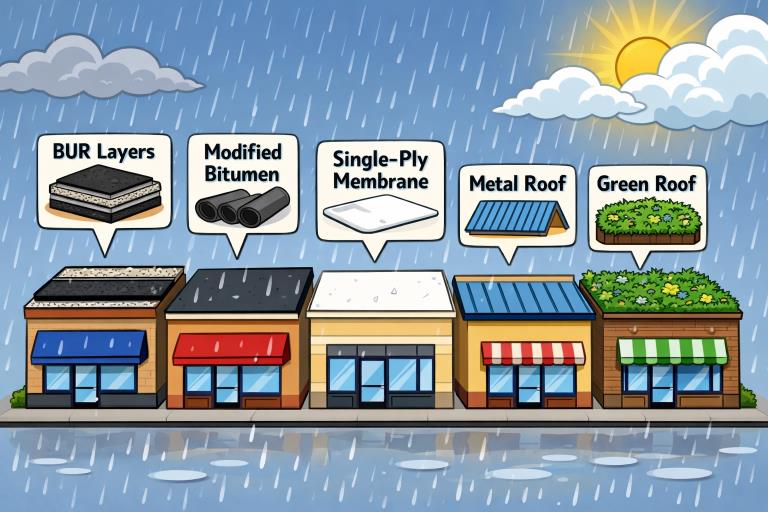
The options for commercial roofing are more diverse and advanced than ever before. Some of the most common systems in use today include:
- Built-Up Roofing (BUR):BUR systems, often recognized for their distinctive layered appearance, consist of alternating layers of bitumen (asphalt or coal tar) and reinforcing fabrics. These roofs create a highly waterproof membrane and are best known for their toughness and long-lasting performance. The multiple layers provide redundancy, which can be critical in harsh climates or on buildings where leaks would be disastrous.
- Modified Bitumen Roofing:Building on the technology of BUR, modified bitumen systems use asphalt reinforced with modifiers such as APP (atactic polypropylene) or SBS (styrene-butadiene-styrene) to create a stronger, more flexible material. These systems resist cracking under temperature swings and offer better elasticity, making them especially suited to structures that experience frequent freeze-thaw cycles.
- Single-Ply Membranes:Single-ply technologies, such as TPO (thermoplastic polyolefin) and EPDM (ethylene propylene diene monomer), are popular for their lightweight properties, fast installation, and impressive chemical resistance. These membranes are typically installed in large, continuous sheets, reducing seams and the potential for leaks. TPO, in particular, is recognized for its energy-saving reflectivity, often qualifying buildings for energy credits or rebates.
- Metal Roofing:Metal roof systems use panels made from materials such as steel, aluminum, or copper. They are favored for their unmatched longevity (often over 40 years) and inherent fire resistance. Metal roofs are available in a wide range of styles, finishes, and colors, allowing integration into almost any architectural design, while providing superior durability in areas subject to high winds or heavy snow loads.
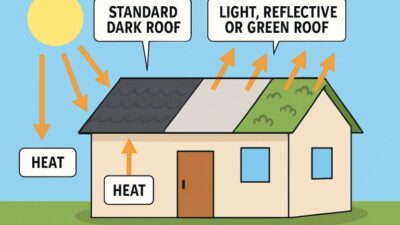
- Green Roofing:These innovative systems combine multiple layers of growing media and vegetation on rooftops, delivering both functional and environmental benefits. Green roofs provide additional insulation, decrease urban heat, and manage stormwater runoff. They are ideal for buildings seeking LEED certification or aiming to contribute to urban sustainability efforts.
Factors to Consider When Selecting a Roofing System
Every building presents its own unique challenges and opportunities when it comes to roofing. To make an informed decision, evaluate the following:
- Building Use:The primary function of your facility, whether it is a warehouse, office, data center, or retail space, can dictate the most suitable material and design. For example, facilities with complex HVAC requirements or heavy rooftop equipment may require reinforced roofing or higher-weight capacity systems.
- Climate:Different systems respond differently to environmental stress. For buildings in regions with heavy precipitation, snow, or exposure to extreme sunlight, focusing on weather resistance and drainage performance is crucial. The ideal roofing material helps prevent leaks and heat loss or gain, taking local weather patterns into account.
- Budget:Weighing upfront costs against long-term maintenance and operational savings is essential. For instance, while a metal or green roof may have a higher initial investment, they often provide lower maintenance costs and energy savings over time, offering better lifecycle value.
- Energy Efficiency Goals:Many modern roofing systems include highly reflective, insulating, or even vegetative surfaces that directly impact building energy performance. Owners seeking lower utility bills or compliance with new building codes should factor in the long-term energy benefits when planning a new installation or replacement.
Maintenance and Longevity
A proactive maintenance plan is vital to maximizing the lifespan and performance of your commercial roof. Inspections should be conducted at least twice a year, with additional checks after extreme weather to spot common issues such as punctures, membrane separation, or blocked drainage systems. Routine cleaning, sealing, and prompt repairs prevent small problems from escalating into major damage and ensure warranties remain valid. According to the National Roofing Contractors Association, good maintenance extends the service life of most commercial roofs and reduces cost over the building’s operational life.
Final Thoughts
Commercial roofing has evolved to meet the varying needs of modern businesses. The right roofing system safeguards valuable assets, supports sustainability, and enhances the durability of commercial buildings. By evaluating available options, considering environmental and operational factors, and prioritizing regular maintenance, property managers can ensure that their investment delivers security and value for years to come.