Key Takeaways:
- A Tax-Free Savings Account (TFSA) offers tax-free growth for a variety of financial goals.
- Strategic contributions and investments within a TFSA can significantly enhance wealth over time.
- Understanding contribution limits and withdrawal rules is crucial to maximizing TFSA benefits.
Navigating your financial journey can be much simpler and more rewarding when you take full advantage of a Tax-Free Savings Account (TFSA). As one of Canada’s most flexible savings vehicles, a TFSA lets you grow your investments tax-free and access funds whenever life’s needs arise. From building a solid financial base to planning for retirement, a TFSA can support you at every stage of your life and help you reach your savings goals efficiently. If you are just starting out, learning more about opening your TFSA can set you on a strong path to financial freedom.
The true power of a TFSA lies in its versatility. Whether you are saving for short-term needs or long-term security, this account allows every Canadian resident aged 18 and over to take control of their future and watch their money work harder for them. By understanding how contribution room accrues annually, the right type of investments to hold, and the vital withdrawal rules, you can ensure no opportunity for tax-free growth goes to waste.
Many Canadians use TFSAs as simple savings accounts, but using the account as a home for investments as opposed to a parking spot for cash can make a massive difference in how fast your wealth grows. Consistent, mindful contributions combined with smart investment choices will compound your returns over time, reducing the heavy tax burden and giving you greater freedom to meet your financial aspirations.
Understanding the TFSA
The Tax-Free Savings Account, established in 2009, offers Canadian residents aged 18 or older the opportunity to invest in a wide variety of financial instruments while earning tax-free growth on all investment income, including interest, dividends, and capital gains. Unlike an RRSP, contributions to a TFSA are not tax-deductible, but withdrawals are entirely tax-free. This means that you can access your money for emergencies, big purchases, or lifestyle goals without facing a tax hit. Additionally, any amount withdrawn can be recontributed the following year, maximizing your opportunities to build wealth without penalty.
Starting Early: Maximizing Compound Growth
Getting an early start with your TFSA can lead to dramatic gains over time, thanks to the magic of compounding. By putting your money to work in a diverse portfolio of investments, you benefit from returns earning more returns, all shielded from tax. Historical data shows that invested savings can outpace simple cash savings, particularly if you hold investments for the long term. Compared with a TFSA, the tax-free compounding effect may even exceed the rate at which many Canadians pay down mortgage debt, making it an attractive trade-off for those with a longer time horizon.
Diversifying Investments Within Your TFSA
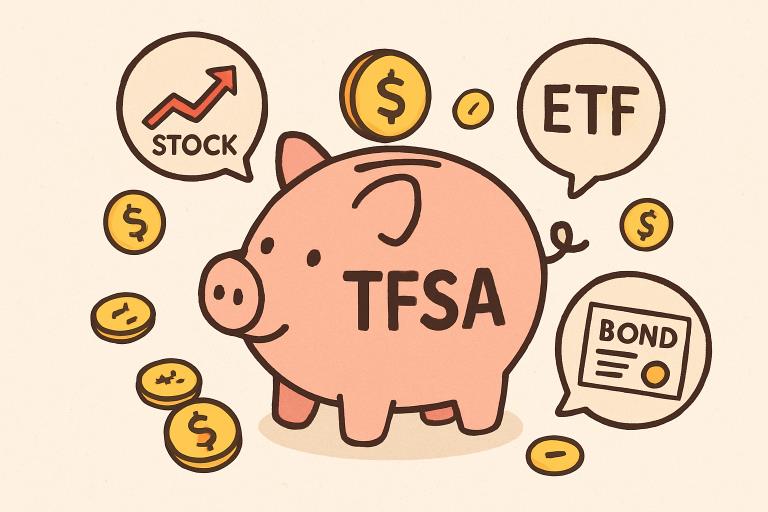
While many Canadians keep their TFSAs in high-interest savings accounts, the true power of the account comes from holding a diversified range of investments, such as stocks, bonds, exchange-traded funds (ETFs), mutual funds, and guaranteed investment certificates (GICs). This strategy allows you to tap into the higher returns available from capital markets, all while compounding gains tax-free. Choosing a portfolio tailored to your risk tolerance and time horizon can help accelerate your path to achieving mid-term and long-term goals. Compound growth happens most efficiently when your portfolio is balanced and thoughtfully constructed.
Strategic Contributions and Withdrawals
Contribution room for a TFSA accumulates each year and is not lost if you do not contribute for several years. Strategic contributors track their cumulative limit and ensure they do not exceed their available room to avoid costly penalties. Consistency in funding a TFSA, even with modest annual amounts, can lead to substantial long-term growth. Planning withdrawals is also important. If you need to access funds, withdrawing late in the year means your contribution room resets at the start of the new calendar year, giving you more flexibility for future deposits.
Using Your TFSA for Short-Term Goals
TFSAs are as useful for small, short-term purposes as they are for larger, longer-term investments. Whether you are putting money aside for a family vacation, home renovations, or a new car, the ability to withdraw funds at any time with no penalty makes the TFSA a versatile tool for immediate needs. Since your savings are never taxed, they stretch further to make those purchases.
TFSA as a Retirement Savings Tool
Increasingly, Canadians are using the TFSA as a cornerstone of their retirement strategy. For those who expect to be in higher tax brackets during retirement, TFSAs allow supplementing income without affecting Old Age Security (OAS) or other federal benefits. While RRSPs are best for savers expecting lower retirement incomes, the TFSA has become essential for tax-efficient retirement income, offering peace of mind and predictability no matter your future tax rate.
Avoiding Common TFSA Mistakes
Over-contributing is one of the costliest mistakes TFSA users make. Any deposit above your available contribution room is subject to a one percent penalty per month until the excess is withdrawn. To avoid this, maintain accurate records and regularly check your contribution room with the Canada Revenue Agency. Using tools provided by your financial institution or working with an advisor can smooth the process and keep your TFSA compliant.
Staying Informed and Reviewing Regularly
The rules around TFSA limits, eligible investments, and tax treatments are subject to change as government policy evolves. Keeping yourself up to date on regulatory changes and regularly reviewing your portfolio ensures your TFSA stays aligned with your goals and the broader economic environment. At least once a year, review your strategy and make adjustments as life events or market conditions shift. This proactive approach ensures your TFSA remains optimized for growth and security throughout your financial life.