Key Takeaways
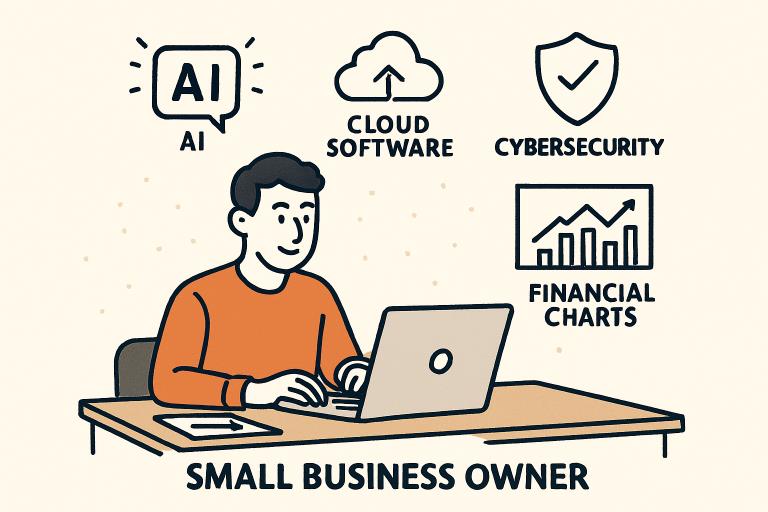
- AI tools are increasingly essential for driving small business efficiency and supporting data-driven decision-making.
- Digital lending platforms are redefining business financing by offering faster, more accessible funding options.
- Financial management software has become critical for automating and optimizing every aspect of business finances.
- Cybersecurity must be a top priority to stop ever-evolving threats targeting small businesses’ finances.
The world of small business finance is changing quickly, requiring business owners to pay close attention to shifts in technology, funding, and security. Understanding these changes helps business owners make informed decisions that support long-term stability and growth. Working with a trusted provider like ScotPac Funding can help small businesses find the right solutions tailored to their unique needs, ensuring they remain agile and competitive no matter the financial landscape.
Modern financial tools and techniques are enabling small businesses to streamline their daily operations while protecting sensitive financial data. By embracing digital technology and staying up to date with the latest trends, business owners can gain valuable insights, reduce operational risks, and maintain a solid financial footing. The following guide breaks down today’s most important advancements in small business finance and highlights ways to make the most of these developments for your organization.
Artificial Intelligence: A Game Changer for Small Businesses
Artificial Intelligence has rapidly shifted from a buzzword to a business necessity. Businesses are adopting AI-driven tools such as chatbots, advanced analytics engines, and automated content creation platforms to improve customer service, marketing, and operational efficiency. In recent surveys, over half of small businesses now leverage generative AI solutions, a figure expected to keep rising.
Common uses of AI in small businesses include automating repetitive processes, streamlining accounting, and supporting sales and customer engagement efforts. While the advantages of AI are clear, there are also notable challenges related to skill gaps, implementation costs, and the need for effective management policies. To maximize the benefits, business owners should invest in employee training and clear protocols for integrating new AI technologies.
Digital Lending Platforms: Faster Access to Funding
The proliferation of digital lending platforms is transforming how small businesses secure financing. Traditional bank loans often involve lengthy applications, strict criteria, and slow approval timelines. In contrast, online lenders and fintech firms allow applicants to apply online and receive a decision within days, sometimes even hours. This trend is supporting greater financial flexibility and faster responses to new opportunities or cash flow gaps.
Businesses now have a wider array of funding options thanks to fintech innovations, from lines of credit to invoice financing, all with less red tape. This ease of access helps keep operations running smoothly and allows for timely investments in inventory, staffing, or upgrades. If your business is considering a loan, it is essential to compare rates, fees, and terms across lending platforms. The U.S. Small Business Administration offers a helpful guide for evaluating and securing business loans.
Comprehensive Financial Management Tools
Smart financial management makes all the difference for businesses balancing tight margins. Modern software suites now automate and connect all parts of the financial workflow, from invoicing to payroll and tax filings. The most effective systems include real-time expense tracking, automatic bank feeds, payroll integration, and cloud access.
Cloud-based tools do more than speed up financial management; they improve accuracy and make it easier to collaborate with accountants or advisors. Many leading solutions provide dashboards and reporting tools to offer up-to-the-minute insight into business health. According to Forbes, integrated reports and accounting tools not only boost efficiency but also give owners a strategic edge when making business decisions.
- Automated billing and collections for improved cash flow
- Expense tracking with seamless bank sync
- Payroll and employee benefits integration
- Quick and accurate tax form generation
- Third-party app integrations for CRM, sales, and more
Cybersecurity: Protecting Financial Data
Digital transformation is a double-edged sword. As small businesses go online, they become more visible targets for cyber criminals. Phishing campaigns, ransomware, and business email compromise are rising threats. Robust cybersecurity is essential, not just for peace of mind but for compliance with industry standards and to maintain customer trust.
Leading strategies include multifactor authentication, firewalls, and ongoing AI-powered monitoring for anomaly and fraud detection. Training employees to recognize suspicious activity and maintain strong password practices is equally important. As described by AP News, small businesses are often targeted because they may lack robust defenses, making education and investment in security tools a must for every organization.
Conclusion
Rapid technological advancements and advances in risk management shape the future of small business finance. By prioritizing AI adoption, leveraging digital lending for fast, flexible funding, and using modern financial management tools, businesses can achieve greater efficiency and accuracy. Investing in cybersecurity is a crucial layer of protection in the digital age, and staying proactive with the latest trends positions small businesses for resilience and growth in a constantly changing environment.