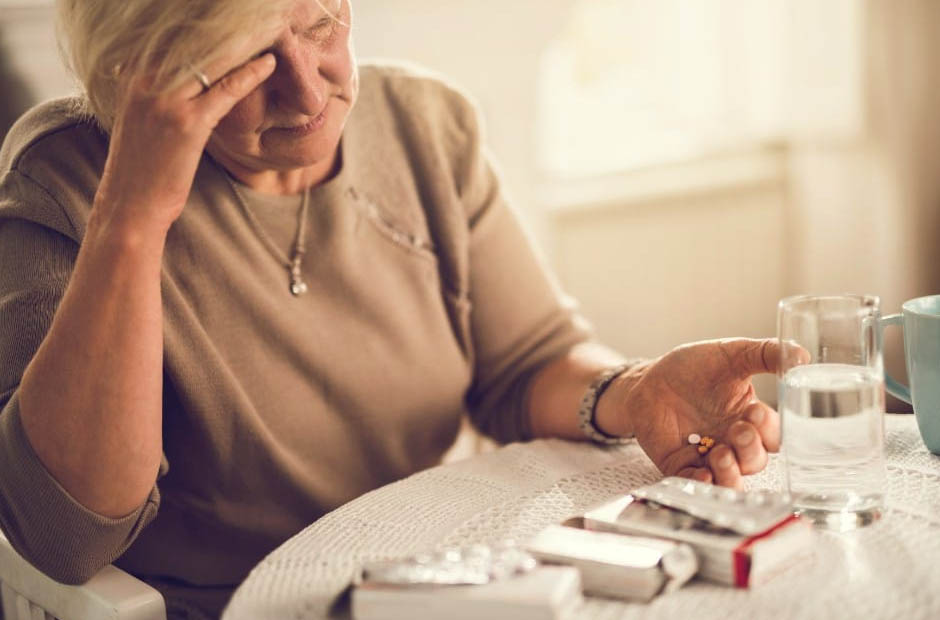
Substance misuse among senior women is one of the most overlooked public health issues today.
While addiction in older adults is rising across all demographics, the data shows that women over 60 experience unique risks, faster dependency patterns, and different barriers to treatment compared to men.
This statistical report breaks down the numbers that reveal how aging and gender shape addiction outcomes.
Substance Misuse Is Rising Faster Among Senior Women Than Senior Men
Over the past decade:
- Substance misuse among women 60+ increased by 80–100%.
- In comparison, senior men saw a rise of 35–45%.
- Women over 65 are now the fastest-growing demographic entering addiction treatment programs.
This sharp rise is linked to grief, loneliness, chronic pain, and historically lower detection rates among older women.
Alcohol Misuse Shows the Largest Gender Gap
While both men and women misuse alcohol, the age-based statistics show women face higher risks:
- Women 65+ drink 30–40% less than men but
- Experience alcohol-related health complications 60–70% more often.
- Senior women are 2x more likely to suffer liver damage even with lower consumption levels.
This is partly due to biological differences—women metabolize alcohol more slowly, causing greater internal damage even with moderate use.
Prescription Drug Misuse Is Significantly Higher in Senior Women
Senior women show the highest rates of prescription misuse in the entire adult population:
- Up to 65% of prescription drug misuse cases in seniors involve women.
- Women 60+ are 2–3x more likely than men to misuse benzodiazepines for anxiety or sleep.
- Chronic pain medications are used by 50–55% of senior women, compared to about 35% of senior men.
This isn’t because women seek substances more—but because they’re prescribed more medications over their lifetime, especially for pain, anxiety, and insomnia.
Senior Women Develop Dependency Faster
The gender difference in addiction speed becomes more pronounced with age:
- Women 60+ can develop dependency 30–50% faster than men.
- This “telescoping effect” means:
- Faster tolerance
- Quicker increase in dosage
- More severe withdrawal symptoms
Older women are also more likely to hide symptoms, leading to late detection.
Mental Health Plays a Larger Role in Female Addiction Patterns
Aging affects emotional health differently for men and women:
- Senior women experience depression at rates up to 2x higher than senior men.
- Anxiety disorders affect 60–70% more women in the 60+ age group.
- Widowhood impacts women more strongly, with nearly 40% reporting loneliness severe enough to affect daily life.
When combined with physical pain or sleep issues, these emotional factors dramatically increase reliance on substances for relief.
Social Isolation Affects Senior Women Differently
Isolation hits senior women harder:
- Women outlive men by 5–7 years on average, increasing the odds of living alone.
- Almost 50% of women 75+ live by themselves, compared to about 20% of men.
- Women living alone show a 30–35% higher risk of misusing alcohol or sedatives.
Isolation also reduces accountability—making unnoticed misuse more likely.
Physical Health Declines Faster When Women Misuse Substances
Substance misuse in older women leads to more severe medical outcomes:
- Fall-related injuries increase by 60% when prescription sedatives are misused.
- Cognitive decline progresses 20–30% faster in senior women using alcohol or benzodiazepines.
- Heart complications rise by 40–50% for women who misuse stimulants or pain medications.
Senior women are also more likely to visit the ER for prescription-related issues than senior men.
Treatment Barriers Are Higher for Senior Women
Despite high need, senior women access treatment less:
- Only 20–25% of senior women who misuse substances seek treatment, compared to ~35% of senior men.
- Shame and stigma affect women 2x more, especially those raised in conservative or traditional environments.
- Women are 40% more likely to delay treatment due to caregiving responsibilities (grandchildren, spouses).
Even when women do seek help, many don’t receive gender-informed care.
Recovery Outcomes Differ Between Genders
Recovery patterns also show clear differences:
- Senior women have 15–20% higher completion rates once they enter treatment—
- meaning women succeed more often than men after they finally get help.
- However, relapse risk increases by 30% post-bereavement, especially after the loss of a spouse.
- Support groups with women-only cohorts improve outcomes by 40–50% for older adults.
Emotional connection is a key factor in long-term success among senior women.
Final Summary: The Gender Story Behind Senior Addiction
The data reveals a clear picture:
Senior women are more at risk, more affected physically, and more likely to misuse prescriptions than men—yet less likely to get help.
But the moment they enter treatment, their recovery outcomes are strong, consistent, and often better than male counterparts.