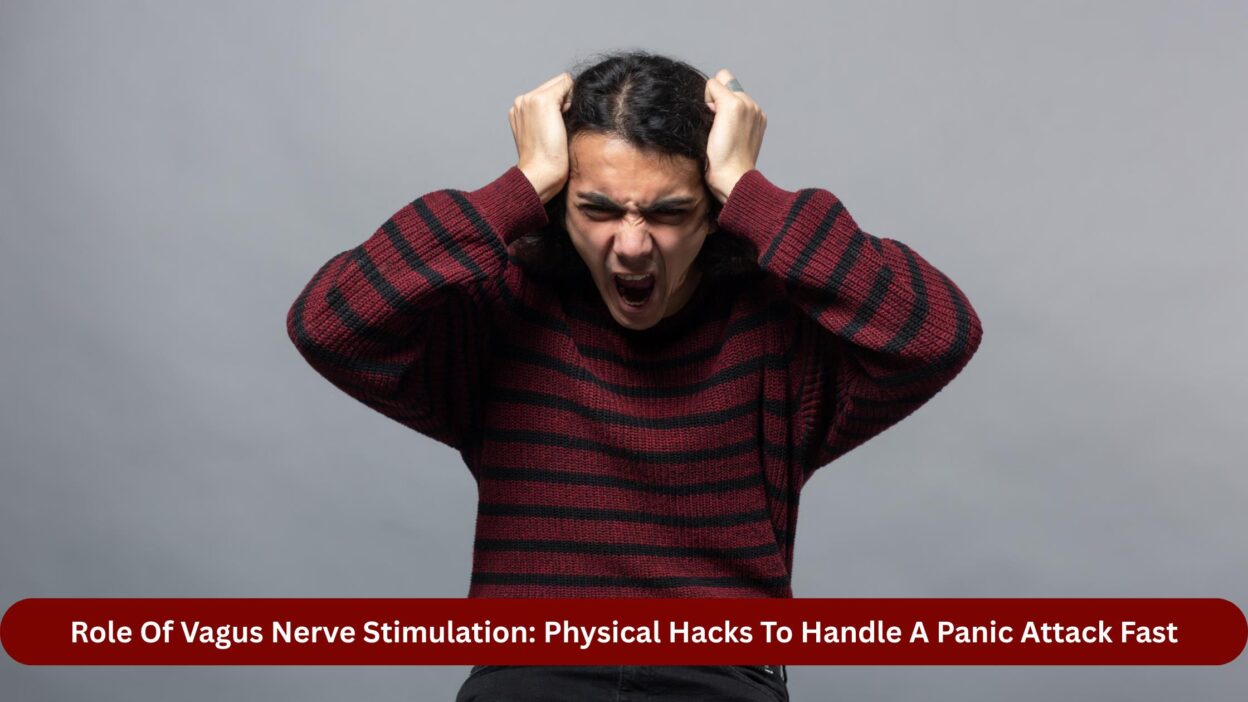
A fast-paced lifestyle predisposes you to constant stress and anxiety. With the pressure of handling work deadlines and professional commitments, as well as emergency situations, such as panic attacks, are inevitable.
Panic attacks are sudden waves of anxiety and fear arising due to intense emotions and physical issues. Moreover, it often leads to chest tightness, overwhelming thoughts, a racing heartbeat, and a sense of impending doom.
While there are multiple ways to handle panic attacks, one of the most effective methods is vagus nerve stimulation. It helps regain control of your mental condition and can provide a safe way to manage abrupt panic attacks.
This article explored in detail the role of Vagus Nerve stimulation and how to handle panic attacks.
Basics Of Panic Attacks & Vagal Stimulation
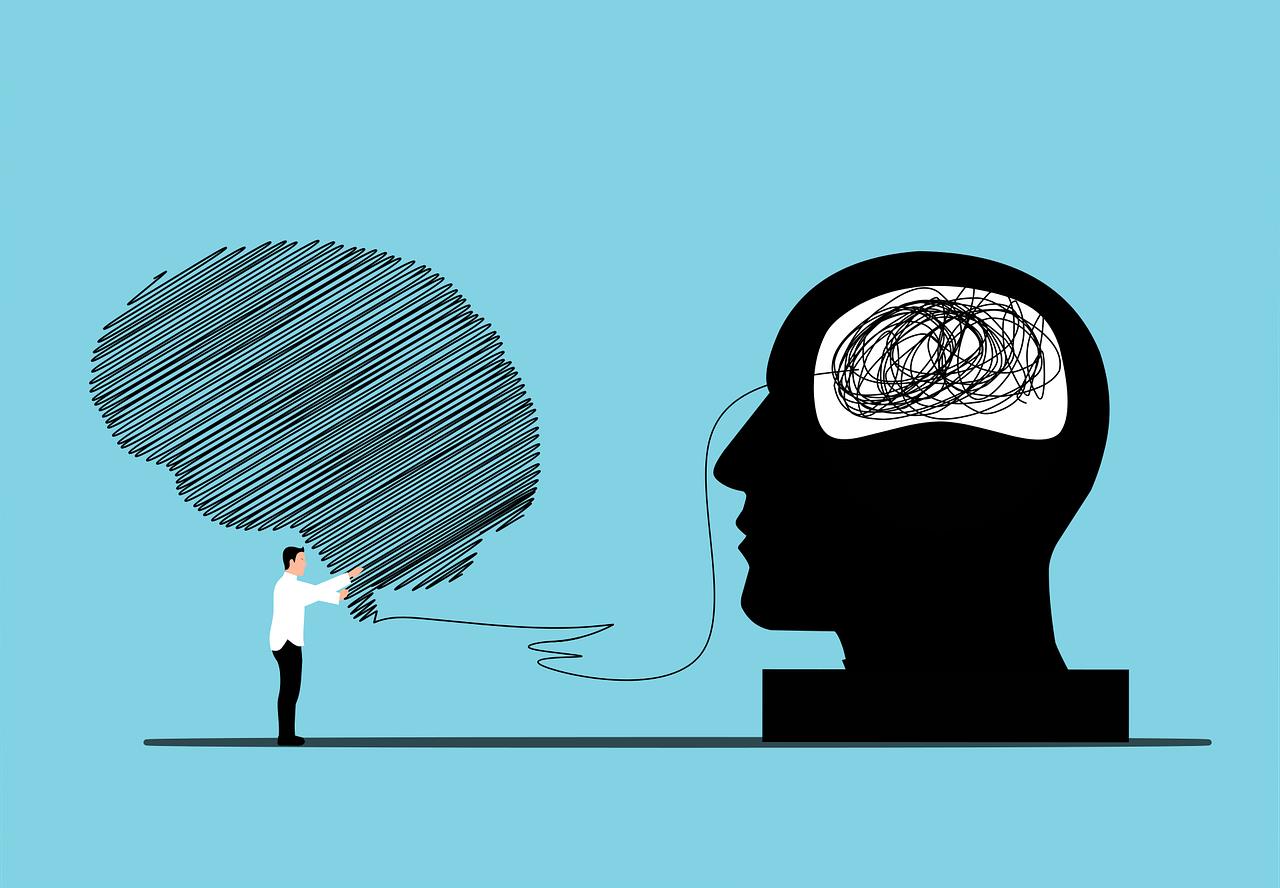
Before we get into the methods of dealing with panic attacks via vagal stimulation, it is important to know what goes on in the mind and body during a panic attack. It is an active state of mind, which in turn causes great activation of the sympathetic nervous system. Moreover, you may observe a number of symptoms, such as an increased heart rate, muscle tension, and faster breathing. If you experience a panic attack, vagal stimulation is a method to help you handle a panic attack effectively.
The vagus nerve is a long nerve that runs from the brainstem to the abdomen and thoracic regions in the body. It plays a role in the parasympathetic division of the brain, which we also call the “rest and digest” system.
Moreover, it can tackle the heightened activity of the sympathetic nervous system during a panic attack. Stimulating the vagus nerve can initiate parasympathetic activity, thereby controlling the fight-or-flight response of your brain. As a result, you are likely to feel calmer, relaxed, and in control of your anxious thoughts. Overall, vagal stimulation helps your body “think your way out” of the panic attack and restores normal psychological functions.
Techniques To Stimulate The Vagus Nerve
Did you know that several techniques stimulating the vagus nerve may be quite effective in handling panic attacks? From utilizing breathing techniques to restore the sense of calm to trying cold exposure for effective physical rest, you can consider multiple ways to soothe your nervous system.
1. Breathing Techniques
There are multiple breathing techniques that can relieve the signs of a panic attack and improve mental state.
Diaphragmatic Breathing
Do you know about diaphragmatic breathing, which improves mental clarity and puts you in a calm state? In this technique, you breathe in slowly for 4 to 5 seconds and let your abdomen expand. Moreover, pay attention to slow exhalation, which should take 6 to 8 seconds, and repeat this 5 to 6 times. This stimulates your vagus nerve and enhances the activity of your parasympathetic nervous system. What it does is bring on a state of calm, initiates that relaxed feeling, and helps with panic attacks. All you have to do is practice this a few times a day to see results and improved mental clarity.
Box Breathing
If you experience severe panic attacks and wish to manage them without resorting to long-standing medications, the box breathing technique can be a reliable preventive measure. You need to inhale for 4 seconds and hold your breath for another 4 seconds. Further, exhale within 4 seconds and repeat this rhythmic breathing pattern for at least 8-9 times.
Such structured breathing is effective for handling severe anxiety or panic attacks. This is because it signals your body to stimulate the vagus nerve and increase parasympathetic nervous activity.
2. Cold Exposure
One of the fastest physical hacks involves exposing your body to intense cold, especially during a panic attack. In this technique, you need to splash cold water on your face for 20-30 seconds. This initiates your body’s dive reflex and activates the vagus nerve in no time.
Moreover, you can use a cold pack over your cheeks or chest to initiate a similar vagal response. Such an activity can take your body out of panic mode and induce calming sensations. As a result, you experience utmost relaxation with the parasympathetic nervous system action.
3. Sound-Based Vagal Stimulation
Most people are unaware of the sound-based vagal stimulation, which can, in turn, activate your parasympathetic nervous system and lead to utmost relaxation. Such a technique involves humming, singing, or gargling sounds to evoke a sense of calmness in no time.
Humming or Chanting Sounds
Specific sounds, including humming or chanting, activate the vagus nerve in your brain. This is due to its direct connection with the muscles in your throat and adjoining areas of the body. In such situations, it’s ideal to practice constant humming or chanting sounds. You can chant “om” sounds or any other long, vibrational sound for utmost relaxation. Additionally, try singing a calming song to initiate the activity of your parasympathetic nervous system.
Gargling Sounds Using Water
Another activity, i.e., gargling, activates your vagus nerve, particularly running across the throat region. You need to gargle vigorously for 20-30 seconds and repeat a few times to tackle panic attacks. Moreover, the techniques may be quite effective in managing panic attacks at the workplace or in formal settings.
Bottom Line
Most people experience panic attacks due to long-standing stress and work commitments. While managing panic attacks demands medical attention, you can practice preventive measures for long-term health. Vagal stimulation revolves around specific techniques, such as diaphragmatic breathing or cold exposure.
Furthermore, it can help you regain self-control and calm your mind during excessive mental activity. In severe cases, you might want to opt for expert consultation and psychiatric evaluation. All you need to do is be mindful of the triggers and practice physical hacks for managing panic attacks.