Key Takeaways
- Ignition interlock devices (IIDs) are effective in preventing drunk driving by stopping repeat offenses.
- States with robust IID laws have reported fewer alcohol-related crashes and fatalities.
- Ongoing legislative action, technology improvements, and public education are key to maximizing IID effectiveness.
Understanding Ignition Interlock Devices
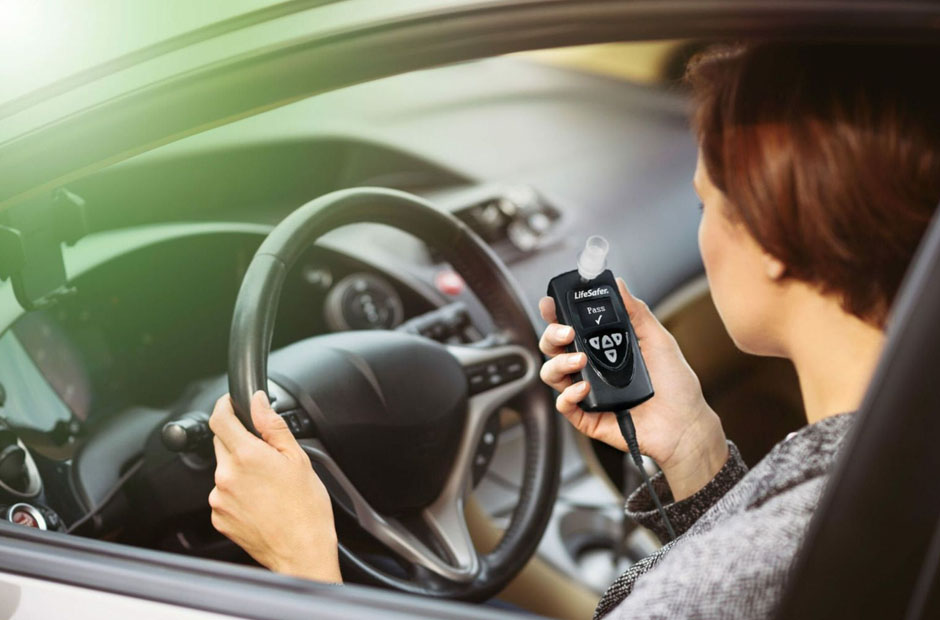
Ignition interlock devices are small breathalyzer instruments installed in vehicles to ensure that a driver is sober before driving. When a person attempts to start their car, they must blow into the device. If their blood alcohol concentration (BAC) is above a set threshold, the engine will not start. The ignition interlock device is part of a growing list of technological solutions aimed at making the roads safer by effectively keeping impaired drivers from operating vehicles.
Ignition interlock devices (IIDs) serve as a proactive measure against impaired driving by preventing vehicles from starting if the driver is intoxicated. These devices not only enhance public safety but also allow offenders the chance to regain mobility. Research shows that IIDs significantly reduce repeat DUI offenses, with approximately a 70% decrease in such arrests during installation. Furthermore, IIDs promote long-term behavioral changes in drivers, as ongoing reminders about safe driving habits contribute to lasting impacts beyond the device’s use. Advocacy for these devices continues as part of broader strategies to improve road safety.
Legislative Measures and Their Impact
Legislative action has played a major role in expanding access to and the effectiveness of ignition interlock programs. States that have enacted comprehensive IID mandates for all DUI offenders, not just repeat or high-BAC offenders, have seen dramatic reductions in alcohol-related crashes and fatalities.
The Insurance Institute for Highway Safety reports that states requiring IIDs for every offender average a 16% drop in drunk driving fatalities. This significant improvement highlights how policy changes can quickly lead to tangible public safety outcomes.
Key legislative considerations include mandates for mandatory installation, clear rules for removal, and responsive consequences for tampering or circumvention. Strong enforcement and regular compliance monitoring are critical to ensuring effectiveness. States can also incentivize compliance by offering route-restricted licenses, allowing offenders to regain driving privileges only through the use of IIDs.
Challenges in Implementation
Despite clear benefits, widespread adoption of ignition interlock devices still faces some hurdles. A percentage of offenders still fail to install the required device, sometimes exploiting legislative gaps or loopholes. Tampering with the equipment or attempting to evade system prompts also poses ongoing challenges.
Agencies must allocate resources to monitor usage and maintenance, initiate swift penalties for non-compliance, and provide education about the importance of the devices. Even with technologically sophisticated devices, human supervision and comprehensive policy execution are necessary for success.
Recent Legislative Developments
In Wisconsin, for example, grassroots advocacy by families affected by drunk driving and nonprofit organizations has ushered in a renewed push for more effective ignition interlock laws. The legislation under consideration aims to encourage rapid installation, apply stricter penalties for tampering, and ensure seamless enforcement. Efforts like these highlight the need for policy to keep pace with public demand for safety and accountability.
Technological Advancements in IIDs
The technology behind modern ignition interlock devices has advanced considerably in recent years. Current devices often include real-time digital reporting, GPS tracking, and cellular connectivity, providing more accurate monitoring of driver compliance. These features help both authorities and families feel assured that the device is actively protecting against impaired driving.
Improved calibration and tamper-proofing reduce the risk of manipulation. Meanwhile, some states have begun integrating camera verification, which confirms the person providing the breath sample is the driver. Such advances enhance the credibility and effectiveness of monitoring programs.
Public Awareness and Education
Education is a vital piece of the fight against impaired driving. Groups like Mothers Against Drunk Driving (MADD) lead efforts to inform both policymakers and the public about the life-saving role of ignition interlock technology. By sharing data and personal stories, these organizations help reduce stigma, increase support for legislation, and underscore the dangers of drunk driving.
Public service announcements and partnerships with law enforcement further bolster program success by making the consequences of impaired driving well-known. Ongoing campaigns also focus on reminding drivers of the simple steps they can take to protect their communities and support a culture of responsible driving.
Conclusion
Ignition interlock devices offer a proven, practical solution to reducing drunk driving incidents and preventing tragedies on the road. Their success relies not only on technology but also on consistent legislative commitment, effective enforcement, and broad public education. As technology and laws evolve, these devices will remain a cornerstone of comprehensive drunk driving prevention programs. By working together on all these fronts, communities can save lives and build safer roads for everyone.