Key Takeaways:
- Embracing preventive healthcare can significantly reduce the prevalence of chronic diseases.
- Technological advancements, including AI and telemedicine, are revolutionizing early detection and personalized care.
- Policy reforms and strategic investments in prevention can lead to substantial savings in healthcare costs.
Introduction
The landscape of healthcare is evolving from a reactive model to one that emphasizes proactive measures and prevention. By focusing efforts on early disease detection, promoting healthy lifestyles, and ensuring seamless access to vital diagnostic services, the future of health management is adopting a preventative approach to addressing widespread chronic illnesses. This movement not only impacts individuals’ well-being but also aims to relieve the growing pressure on global healthcare systems.
Prioritizing proactive health management encourages individuals to take ownership of their health, make informed decisions, and utilize tools and services designed to detect issues early. As this trend continues to grow, it fosters a healthcare environment that prevents conditions from becoming severe or costly to treat.
A combination of scientific evidence, policy shifts, and novel digital health solutions supports this evolving approach. Collectively, these factors enhance outcomes on both personal and societal levels, laying the groundwork for a healthier, more sustainable future. In particular, the adoption of innovative diagnostic technologies helps drive timely interventions, reduce hospitalizations, and enhance overall quality of life.
Beyond the tangible health benefits, such a transformation has the potential to curb healthcare spending significantly, empower communities with better knowledge, and reduce health disparities across diverse populations.
The Rise of Preventive Healthcare
Preventive healthcare is centered around the idea of averting disease progression before it escalates—a notion increasingly supported by data. Research from the University of Liverpool, for example, analyzed more than 1.5 million people, revealing that small changes in daily behaviors can effectively reduce the prevalence of chronic diseases, such as heart disease, diabetes, and certain cancers, in the coming decades.
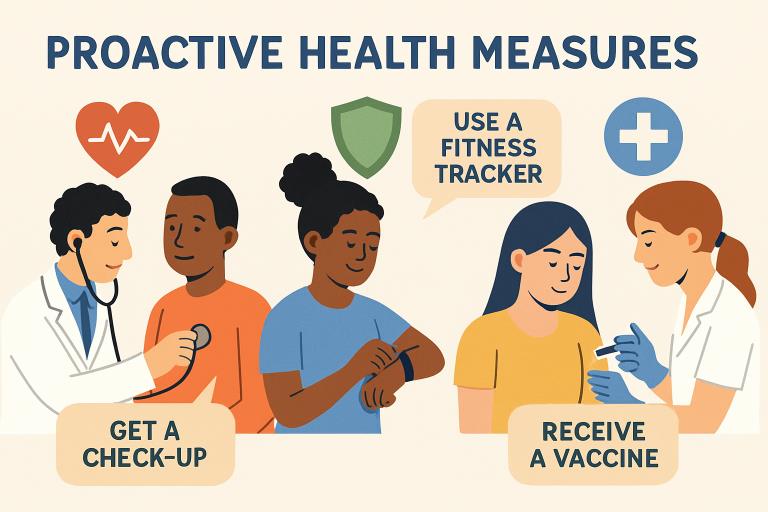
Interventions like regular screenings, immunizations, health education, and counseling on nutrition and exercise are now prioritized by healthcare providers and policymakers alike. These interventions help patients recognize health risks earlier, often before symptoms become noticeable, providing individuals and providers with more options for effective management or risk reduction.
As a result, preventive healthcare extends beyond individual efforts to a collective societal responsibility, involving employers, schools, insurers, and communities in building environments where making healthy choices is easier and more encouraged.
Technological Advancements in Preventive Care
Technology is a powerful driver of change in preventive care. Wearable devices, such as fitness trackers, smartwatches, and continuous glucose monitors, empower individuals to monitor their health outside of clinical settings. Together with mobile health applications, these tools provide real-time feedback, prompt users to maintain healthy habits, and identify signs of emerging health issues before they require acute medical attention.
Telemedicine has further expanded the reach and timeliness of preventive care, particularly for individuals in remote or underserved areas. Through video consultations, remote monitoring, and digital health assessments, patients can collaborate with healthcare professionals without the delays associated with in-person visits. This is especially valuable for ongoing management of chronic diseases and for ensuring continuity of care.
Importantly, artificial intelligence (AI) and data analytics are increasingly being leveraged to sift through vast health datasets. AI-powered systems detect subtle patterns in health records, lifestyle data, and genetic information, flagging risks and suggesting personalized preventive steps for each patient. This ushers in an era of precision medicine tailored to individual needs.
Policy Reforms and Economic Impacts
Significant policy shifts are playing a vital role in promoting a culture of health and prevention. Agencies such as the Medicare Innovation Center in the United States now prioritize financing for initiatives focused on preventive, value-based care. These reforms introduce incentives for healthcare providers to focus on screenings, early interventions, and patient-centered wellness—a shift from the traditional fee-for-service approach.
Economically, prioritizing prevention can yield substantial savings by decreasing the need for costly emergency care, hospitalizations, and long-term treatment. Studies show that every dollar invested in preventive care returns several dollars in avoided health expenses over time. Stronger policy frameworks also encourage collaborative partnerships between governments, payers, and private industry, spurring innovation and broadening reach.
As these reforms gain momentum, they help address disparities in access to care by subsidizing preventive services and driving public health campaigns that reach broader populations.
The Role of Genetic Testing
Genetic testing is emerging as a transformative tool for preventive health management. By unlocking insights into a person’s DNA, healthcare providers can pinpoint individual risk factors for hereditary diseases such as certain cancers, heart conditions, or rare genetic disorders. Armed with this information, patients and clinicians can co-create personalized strategies that reduce risk and support early detection.
This proactive strategy is particularly impactful for individuals with a family history of serious illnesses. Instead of receiving generalized advice, these patients benefit from targeted monitoring, preventive medications, or lifestyle interventions specifically tailored to their genetic profiles. As genetic technologies become increasingly accessible, more people can take concrete steps toward preventing diseases before symptoms arise.
Smart Hospitals and Preventive Diagnostics
The wave of digital transformation in healthcare is powerfully evident in smart hospitals. These facilities utilize interconnected medical devices, AI analytics, and comprehensive digital records to monitor patient health continuously. Data flows seamlessly from wearable monitors and diagnostic devices directly into electronic health systems, enabling prompt clinical decisions and interventions.
AI-powered diagnostics analyze incoming data for anomalies, enabling providers to catch emerging health threats earlier than with manual methods. For patients recovering from surgeries or living with chronic illness, remote monitoring enables clinicians to adjust care plans in real-time, keeping complications at bay and reducing readmission rates.
The collective impact of smart diagnostics is dramatic: reducing unnecessary tests, streamlining workflows, lowering costs, and, most importantly, improving patient outcomes by catching risks before they develop into emergencies.
Final Thoughts
Shifting toward proactive health management and preventive healthcare is critical for building a healthier, more resilient society. With continued technological innovations, supportive policy environments, and widespread adoption of preventive diagnostics, the burden of chronic disease can be lessened and the future shaped by wellness and longevity. By empowering individuals, providers, and entire communities with effective prevention strategies, the path forward is clear—healthcare that is not only reactive but genuinely proactive and empowering.