Key Takeaways
- Implementing safety measures can significantly reduce the risk of burn injuries.
- Immediate and appropriate first aid is crucial for burn injury outcomes.
- Regular safety audits and education are essential in both home and work environments.
Burn injuries can cause devastating consequences, yet many of these incidents are preventable with the right knowledge and precautions. Whether at home or in the workplace, understanding the fundamental ways to reduce risks, respond quickly in emergencies, and ensure long-term safety makes a lasting difference in people’s lives. For those who have suffered severe burns, a burn injury lawyer can provide support in seeking the compensation and justice they deserve.
Both families and organizations benefit greatly from a culture of safety. By integrating proactive safety habits, staying informed on best practices, and knowing how to react in the crucial first moments after an incident, individuals can minimize harm and accelerate recovery. Simple actions, such as supervising children in the kitchen or ensuring proper equipment maintenance, play vital roles in preventing tragedies and promoting well-being. Employers have a responsibility to protect their workforce, while homeowners must safeguard their families using standards designed by safety experts. Regular training, resource accessibility, and preparedness reduce the likelihood of burns and help manage outcomes when they do occur.
Common Causes of Burn Injuries
Understanding how burns occur is the first step in prevention. Burn injuries generally arise from one or more of these sources:
- Thermal Burns:Most burns are thermal, resulting from contact with open flames, hot liquids like boiling water, hot objects, or steam. Kitchen accidents, space heaters, and unattended candles are frequent causes.
- Chemical Burns:Exposure to strong acids, alkalis, or industrial chemicals leads to deep tissue damage. Common household cleaners, pool chemicals, and battery acid are top culprits.
- Electrical Burns:Direct contact with exposed wires, faulty electrical appliances, or high-voltage machinery can cause electrical burns. These often have both external and internal effects.
- Radiation Burns:Sunburn is the most widespread radiation burn, though industrial sources can also contribute. Prolonged UV exposure, medical procedures, or mishandling of radiographic equipment can lead to these burns.
Preventive Measures at Home
Most residential burn injuries are avoidable with proper safety habits and home modifications. Consider these key actions to protect loved ones:
- Keep water heater thermostats set at or below 120°F to avoid accidental scalds during bathing or dishwashing.
- Turn pot and pan handles inward on the stove. Supervise cooking, especially when children are present, and keep hot food or liquids away from edge counters.
- Maintain and test smoke alarms monthly. Replace batteries regularly and develop a home fire evacuation plan.
- Store household chemicals, lighters, and matches in locked or high cabinets, away from children’s reach.
Workplace Burn Prevention Strategies
Employees and managers must prioritize burn prevention to maintain a secure environment. Focused collaboration and clear protocols are critical. Key procedures include:
- Mandating the use of personal protective equipment (PPE), such as heat-resistant gloves, face shields, and aprons, in high-risk settings.
- Delivering comprehensive safety training on equipment operation and emergency response plans. Updates should be regular, with drills to keep procedures top of mind.
- Ensuring clear labeling and secure storage of hazardous chemicals and substances in all work zones.
- Scheduling regular equipment checks and maintenance to address leaks, malfunctions, or frayed electrical cords that could spark a fire or cause electrical burns.
Workplaces should consult OSHA standards for further details on maintaining a burn-safe environment. A robust safety culture protects both individuals and organizations from preventable harm. Detailed workplace prevention strategies can be found on the Centers for Disease Control and Prevention (CDC) Burns in the Workplace page.
First Aid for Burn Injuries
Correctly treating burn injuries can greatly impact healing and minimize complications. Follow these essential steps for effective first aid:
- Cool the Burn:Immediately place the burned area under cool running water (not cold) for at least 10 minutes. Avoid ice or ice-cold water, which can aggravate the injury.
- Clean the Area:Gently wash the burn with mild soap and water, taking care not to break any blisters. Pat dry with a clean towel.
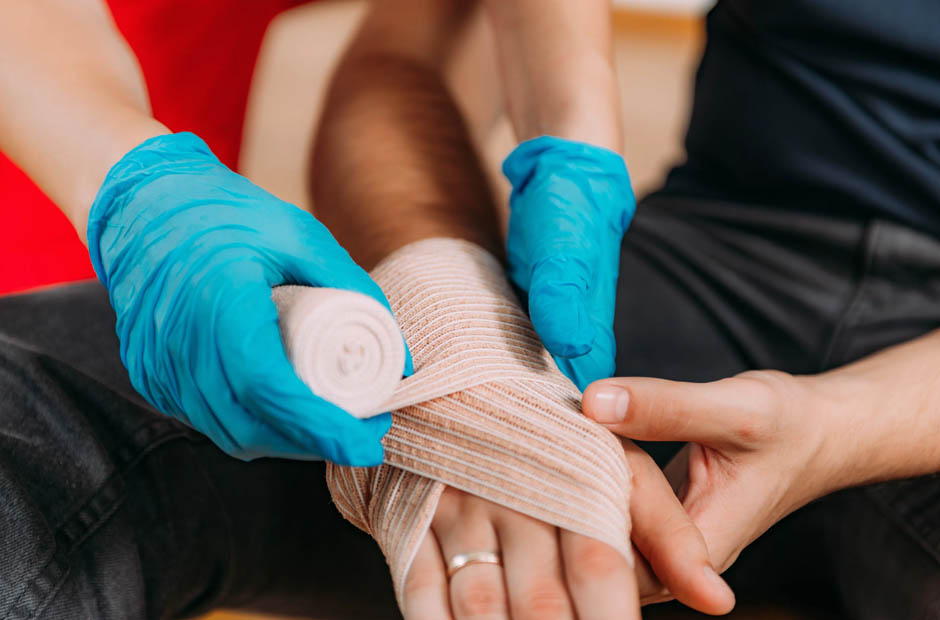
- Cover the Burn:Loosely cover the injury with a sterile, non-stick bandage or clean cloth to protect it from infection.
- Seek Medical Attention:For larger burns, deep burns, burns on the face, hands, feet, or groin, or if in doubt, contact emergency medical services immediately.
Additionally, avoid using butter, oils, or home remedies, as they can worsen burns. Keeping the area clean and dry until evaluated by a healthcare provider is best practice.
Educational Resources and Training
Continuous safety education empowers individuals and organizations to develop effective prevention routines and respond confidently. Free and reliable resources like the American Burn Association’s Burn Prevention Fact Sheets offer accessible information on daily burn prevention and care. Online courses, community workshops, and printed safety materials can strengthen collective awareness. Stay informed by subscribing to newsletters from reputable health organizations and participating in preparedness initiatives. Involving every household member or employee in safety drills solidifies practical skills and enhances overall readiness for emergencies.
Conclusion
Preventing burn injuries is possible with diligence, awareness, and ongoing education. By implementing targeted safety measures at home and at work, knowing basic first-aid techniques, and using available resources, communities can significantly reduce the risk and impact of burns. Taking action and staying informed ensures a safer environment and a brighter future for everyone.