Bringing a baby into the world is a life-changing experience physically, mentally, and emotionally. While there’s often pressure to “bounce back” quickly, the reality is that postpartum weight loss looks different for everyone. Your body just did something incredible, and it deserves patience and care.
That said, it’s completely normal to want to feel like yourself again. For many women, combining fitness with newer medical options like GLP-1 medications can offer a supportive and sustainable path forward when approached thoughtfully and safely.
Let’s break down how this combination works and what you should keep in mind. If you’re a new mom looking for a supportive gym in Sterling Virginia, combining GLP-1 treatments with a realistic fitness routine can be a safe and effective way to ease back into postpartum weight loss.
First, Give Your Body Time
Before jumping into any weight loss plan, it’s important to acknowledge that postpartum recovery comes first. Your body needs time to heal, especially if you’ve had a C-section or any complications.
Hormones are also still shifting for weeks (and sometimes months), which can affect everything from metabolism to energy levels. Sleep deprivation and the demands of caring for a newborn only add to the challenge.
For most women, doctors recommend waiting at least 6–8 weeks before starting a structured fitness routine and even longer before considering medication. Always check with your healthcare provider first.
What Are GLP-1 Medications?
GLP-1 medications (like semaglutide or tirzepatide) are becoming increasingly popular for weight loss. Originally developed for managing blood sugar, they’ve been found to help regulate appetite and improve how your body processes food.
In simple terms, GLP-1s can:
- Help you feel full faster
- Reduce cravings (especially for sugar and processed foods)
- Support more stable blood sugar levels
For postpartum women who are struggling with stubborn weight, especially after trying diet and exercise alone, this can be a helpful tool, not a shortcut, but a support system. A personalized weight loss center Long Island NY that combines GLP-1 therapy with tailored fitness plans can help new moms achieve postpartum weight loss safely and sustainably.
Important note: GLP-1 medications are not recommended if you are currently breastfeeding. If you are nursing, you’ll need to wait or explore other options.
Why Fitness Still Matters (A Lot)
Even if you’re using a GLP-1 medication, fitness is still a huge part of the equation and not just for weight loss.
Postpartum workouts help:
- Rebuild core strength (especially after diastasis recti)
- Improve mood and reduce anxiety
- Boost energy levels
- Support long-term weight maintenance
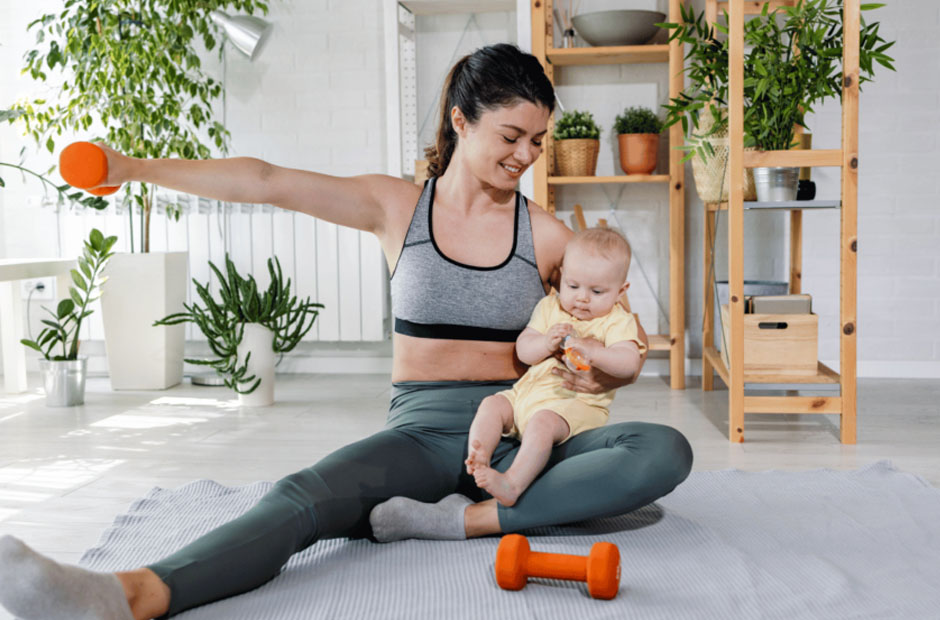
The goal isn’t to jump into intense workouts right away. It’s about easing back in and building consistency.
Start simple:
- Walking (seriously underrated and very effective)
- Light strength training
- Pelvic floor and core-focused exercises
- Low-impact classes like yoga or Pilates
As your strength comes back, you can gradually increase intensity.
The Power of Combining GLP-1 + Fitness
When used together, GLP-1 medications and fitness can complement each other really well.
Here’s how:
- Appetite Control + Movement = Sustainable Deficit
GLP-1s can help reduce overeating, while exercise increases your daily calorie burn. Together, they create a manageable calorie deficit without extreme dieting.
- Preserving Muscle Mass
One concern with weight loss medications is losing muscle along with fat. Strength training helps prevent that, keeping your metabolism healthier in the long run.
- Better Energy and Motivation
As the medication helps stabilize blood sugar and reduce cravings, many women find they have more consistent energy, making it easier to stay active.
Nutrition Still Matters
Even with GLP-1 support, what you eat still plays a big role, especially postpartum, when your body needs nutrients to recover.
Focus on:
- Protein (helps with muscle repair and keeps you full)
- Whole foods (fruits, veggies, lean meats, healthy fats)
- Hydration (especially important if you’re adjusting to a new routine)
One thing to watch: GLP-1 medications can sometimes reduce appetite a lot, which sounds helpful, but you still need to eat enough to fuel your body, especially if you’re exercising.
Mental Health and Real Expectations
Postpartum weight loss isn’t just physical, it’s emotional too.
It’s easy to compare yourself to others or feel frustrated if progress feels slow. But your journey is your own. Some weeks will feel easier than others, and that’s okay.
GLP-1 medications can help with physical hunger, but they don’t address emotional eating or stress. That’s where mindset, support systems, and realistic expectations come in.
Give yourself permission to:
- Take rest days
- Celebrate small wins
- Adjust your routine as needed
Is This Approach Right for You?
The combination of GLP-1 and fitness can be a great option if:
- You’ve struggled to lose postpartum weight with lifestyle changes alone
- You’re no longer breastfeeding
- You’re cleared by your doctor for both exercise and medication
It’s not about rushing the process; it’s about finding something that actually works for your life.
Final Thoughts
Postpartum weight loss doesn’t have to be extreme or overwhelming. With the right support, it can be steady, sustainable, and even empowering.
GLP-1 medications can be a helpful tool, and when paired with a consistent, realistic fitness routine, they can make the process feel more manageable. But the most important thing to remember is this: your body just did something amazing.
Take care of it, be patient with it, and trust that progress will come one step at a time.