Key Takeaways:
- Transitioning from paper to digital labels enhances efficiency but introduces new challenges.
- Integrated labeling platforms and intelligent data capture are essential for compliance and operational success.
- Emerging technologies such as blockchain and AI offer promising solutions for improving supply chain transparency.
The Shift from Paper to Digital Labels
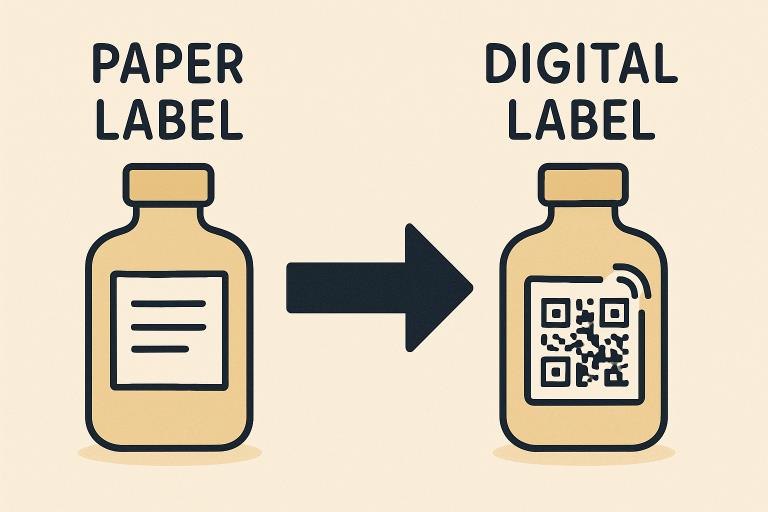
As the life sciences industry evolves, companies are accelerating their move from traditional paper-based systems to advanced digital labeling solutions. The adoption of Life Sciences Labeling platforms is intended to enhance operational efficiency, improve compliance, and support more agile supply chain management. Paper labels have long been associated with delays, manual errors, and challenges in keeping up with frequent regulatory changes. Digital labeling, on the other hand, enables dynamic updates, real-time traceability, and greater accuracy, but also introduces its own set of technological and compliance hurdles.
One primary challenge in digital transformation is building robust systems that can handle complex, often global data requirements. These systems need to ensure reliable data capture, compliance with constantly evolving international standards, and ease of access across department boundaries. As organizations pursue efficiency gains, striking the right balance between automation and compliance is critical to avoid introducing new risks along the supply chain.
The complexities only increase as products move through diverse geographies and regulatory environments. Digital labels can be rapidly updated and distributed, but without careful management, organizations risk data inconsistencies and compliance breaches. This is particularly important in life sciences, where every label update must be accurate and traceable, often in real time, to ensure product safety and regulatory adherence.
Given these factors, the shift to digital labeling holds enormous promise, but successful implementation demands focused strategies around integration, automation, and data integrity. Companies must look beyond simply replacing paper with screens and invest in technologies that unify data sources and streamline workflows.
Challenges in Digital Labeling Implementation
Implementing digital labeling systems brings unique hurdles, particularly in industries where data integrity and compliance are paramount. Many pharmaceutical and biotechnology organizations still rely on legacy systems that fragment information into isolated silos. Without unified data management, the results can include inaccurate labels and lagging processes. According to industry research by IDC, over 60% of life sciences companies cite a lack of system integration as a key barrier to achieving digital transformation in regulatory and labeling workflows. This fragmentation, in turn, heightens the risk of miscommunication and delays when new regulations or safety information must be reflected on product labels quickly.
Integrating Labeling Platforms for Enhanced Efficiency
Solving these integration issues is a necessary step toward smarter, faster, and safer supply chains. Leading organizations are investing in platforms that connect labeling solutions with enterprise resource planning (ERP), regulatory data management, and manufacturing execution systems. These integrations enable real-time data sharing, automate workflow handoffs, and enable better oversight.
Some companies are already seeing results by pairing robust data platforms with their labeling strategies. For example, solutions link clinical trial master data directly to labeling systems, eliminating redundant data entry and streamlining updates. By connecting their data flows, these organizations can rapidly adapt to regulatory changes while reducing operational workload and error rates. Automating critical supply chain processes also improves clinical trial efficiency and readiness.
Leveraging Intelligent Data Capture
Modern digital labeling systems are increasingly incorporating intelligent data capture through techniques such as 2D barcoding and adherence to global data standards. This enables not only faster tracking but also enhanced data granularity, which is essential for maintaining compliance and improving transparency. However, the transition to newer barcode systems often exposes gaps in legacy scanning infrastructure. Outdated hardware and inconsistent label formatting can limit barcode readability, compromising accuracy and speed in inventory management and distribution.
Addressing this requires strategic investment in new scanning technology and greater adoption of industry standards like GS1. These steps position life sciences companies to benefit from real-time monitoring, efficient recall management, and a more adaptive supply chain.
Enhancing Supply Chain Transparency with Blockchain
One of the most transformative technologies for improving supply chain transparency is blockchain. By decentralizing data management and leveraging secure digital identifiers, blockchain platforms offer a tamper-evident way to track products from manufacturer to patient. This level of transparency helps resolve one of the largest historical challenges in pharmaceutical supply, a lack of visibility across disparate trading partners and regulatory jurisdictions.
Frameworks exemplify the application of blockchain tech to life sciences supply chains. By creating shared, decentralized data records, stakeholders at every stage gain real-time access to verified, immutable information about products, their origins, and their handling. This enhances trust, minimizes the risk of counterfeiting, and streamlines compliance across the global supply chain.
Addressing Regulatory Demands
Regulatory demands for transparency, traceability, and operational resilience are higher than ever before. Life sciences businesses must prioritize modernization to stay ahead of evolving requirements. Core elements of this modernization effort include the deployment of connected supplier networks, real-time packaging intelligence, and automation powered by artificial intelligence. Such investments not only meet regulatory expectations but also enhance a company’s agility, reduce costs, and support long-term competitiveness amid global disruptions and shortages.
Implementing Zero Trust Architecture for Security
Security and data privacy are critical concerns in the pharmaceutical supply chain, given the risks of intellectual property theft, counterfeiting, and disruptions that can impact patient safety. Zero trust architecture, a security model that requires every user and device to continuously authenticate and validate before accessing sensitive information—has emerged as a key strategy. This approach supports least-privilege access, real-time threat detection, and data-centric protection, drastically reducing vulnerabilities throughout the supply chain. Notable life sciences firms have already demonstrated the value of zero trust by preventing breaches before they escalate and strengthening overall network resilience to cyber and physical threats.
Final Thoughts
The transition from paper-based to digital labeling systems marks a significant leap forward for life sciences supply chains. Companies willing to address the associated technological, regulatory, and security challenges are positioned to gain substantial advantages in efficiency, compliance, and competitiveness. By embracing integrated platforms, intelligent automation, blockchain-enabled transparency, and rigorous security architecture, organizations can build resilient supply chains that not only meet today’s demands but also set the stage for future innovation and patient safety.