When shipping your vehicle, you’ll choose between open and covered transport. Both are reliable options to ensure your car arrives safely, but they differ in cost and protection. Open transport is more affordable and commonly used, while covered transport provides extra protection from weather and road debris, making it best for high-value or classic cars.
What is Open Transport?
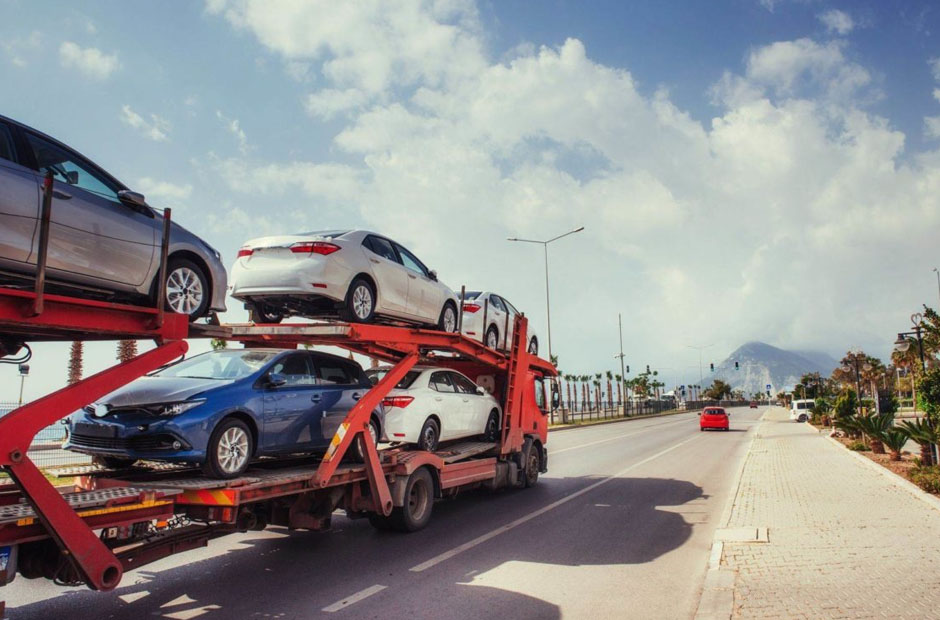
Open transport is the most common way to ship a vehicle. Your car is loaded onto a multi-level carrier—the same type of truck you see hauling new cars to dealerships—and transported alongside several other vehicles.
Because it’s the industry standard, open transport is widely available and significantly more affordable than covered options, such as an enclosed trailer in Utah. It’s a reliable, cost-effective choice for most everyday vehicles.
Pros: Open transport offers several key advantages, making it a popular choice for many. The primary benefit is its lower cost compared to enclosed options. Open carriers are widely available, offering faster pickup and delivery times. This reliable method safely transports millions of vehicles each year.
Cons: The main drawback of open transport is that your vehicle is exposed to the elements. This means it can be affected by weather conditions such as rain, snow, and sun. Your vehicle is also exposed to road debris and dust during transit, which means it might need a wash upon arrival.
What is Covered Transport?
Covered transport provides an extra layer of protection by shipping your vehicle in an enclosed trailer. This shields it from weather, road debris, and prying eyes.
This option is typically reserved for luxury cars, classic vehicles, or high-value automobiles that require additional care. It costs more, but the peace of mind can be worth it if you’re transporting something special.
Pros: Provides complete protection against harsh weather conditions like rain, wind, or intense sunlight, helping to preserve the durability of your belongings. It also significantly reduces the risk of cosmetic damage, such as scratches or dents, which keeps your items looking new for longer. It also provides better privacy and security, protecting your belongings from theft or unwanted attention for added peace of mind.
Cons: The primary drawback is the higher cost, which is often 40–60% more expensive than open transport. Enclosed trailers are also less common than open ones, which means you might have to wait longer to book a spot. Since fewer carriers offer this specialized service, you’ll have fewer options to choose from.
Key Comparisons: Open vs. Covered Transport
Price
Open transport is the budget-friendly option. Expect to pay anywhere from $500 to $1,500 depending on distance and route. Covered transport, on the other hand, typically ranges from $800 to $2,500 or more.
Security
Both methods are safe, but covered transport offers superior protection against weather and debris. Open transport exposes your vehicle to the elements, though damage is rare and most carriers are fully insured.
Use Cases
Choose open transport if you are shipping a regular daily driver or standard vehicle, especially if you are trying to stick to a tight budget. This option is also ideal if you need quick and flexible pickup and delivery services.
Choose covered transport if you own a luxury, classic, or exotic vehicle that requires extra care during transit. It is also the ideal option for transporting collector’s items or show cars that demand maximum protection. While it may come at a higher cost, covered transport ensures your vehicle is shielded from external elements and arrives in pristine condition.
How to Choose the Right Option
Consider the following points:
Vehicle value: If you’re shipping a brand-new Tesla or a vintage Mustang, covered transport makes sense. For a used sedan or SUV, open transport is usually more than sufficient.
Your budget: If cost is a primary concern, open transport will save you hundreds of dollars without sacrificing safety.
Shipping distance: Longer distances increase exposure time, which might make covered transport more appealing for high-value vehicles.
Weather conditions: If shipping during harsh winter months or through areas prone to storms, covered transport can offer extra peace of mind.
Conclusion
There’s no one-size-fits-all answer when it comes to vehicle transport. Open transport is reliable, affordable, and widely available—perfect for most car owners. Covered transport offers premium protection for those who need it and are willing to invest a bit more.