Key Takeaways
- Consider your climate, architectural style, and budget before selecting a roofing system, advises the El Cajon Property Management team.
- Compare various metal roofing materials to assess their benefits and suitability.
- Understand the available roofing styles and profiles, considering both functionality and appearance.
- Evaluate lifecycle costs and maintenance requirements for long-term value.
- Choose an experienced installer to ensure optimal performance and durability.
Understanding Your Roofing Needs
Choosing the right metal roofing for your structure begins with a clear understanding of your building’s unique requirements. Factors such as regional weather patterns, roof pitch, energy efficiency goals, and your intended aesthetic all play a crucial role in narrowing your options. For instance, regions subject to saltwater exposure or high humidity benefit from materials that naturally resist corrosion and rust. Consulting an expert or experienced building material supplier can help clarify which system would suit your specific project and environment.
Budget is another core consideration. While metal roofs tend to require a higher upfront investment compared to asphalt shingles, their value becomes evident over time through exceptional longevity and minimal maintenance. Ensure that you forecast the total lifetime cost, not just the purchase price, as the durability and performance of metal roofing often offset the initial investment.
Equally important is the architectural design of your structure. Steeply pitched roofs, low-slope roofs, and various architectural styles may each demand different profiles or fastening systems. Harmony between roof style and building design enhances both curb appeal and performance. Always gather local building code requirements before making a decision, as some regions have specific standards regarding roof types and installation methods.
Exploring Metal Roofing Materials
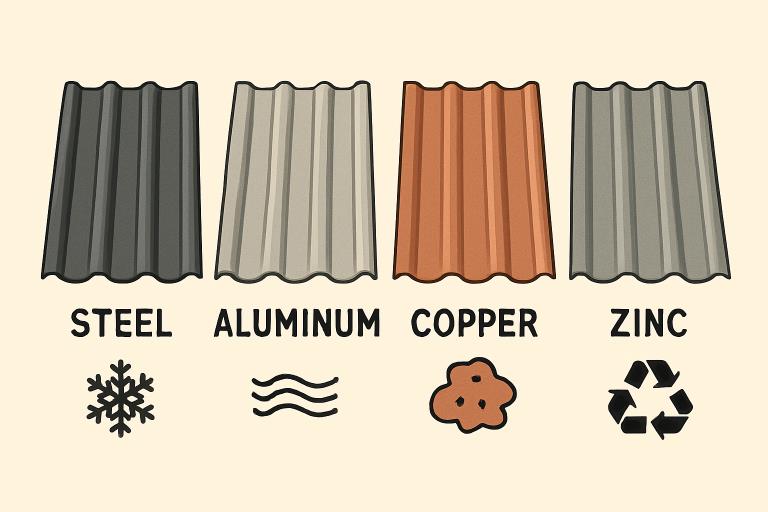
Today’s market offers a variety of metal roofing materials, each engineered for specific climates and design preferences:
- Steel:An economical leader, steel is prized for its toughness and cost efficiency. It’s typically treated with galvanic coatings, such as zinc or zinc-aluminum alloy, to prevent rust and extend life. Steel is suitable for climates with wide temperature swings and heavy snow.
- Aluminum:Naturally corrosion-resistant and lightweight, aluminum roofing is ideal for coastal installations, where salty air can accelerate rust. Its lighter weight can also reduce structural demands on your building frame.
- Copper:With its striking appearance and the tendency to develop a beautiful greenish patina over time, copper is a favorite for historic restorations and high-end builds. While costly, copper can last for over a century with minimal maintenance.
- Zinc:Known for its self-healing properties, zinc can recover from minor scratches as it naturally forms a protective layer. This trait, along with resistance to rust and a lower environmental impact, makes zinc a premium choice for custom architecture.
According to Forbes Home, one of the key considerations should be matching your material choice with both local environmental factors and your building’s structure to maximize durability and appearance.
Considering Roofing Styles and Profiles
The visual and functional distinctions between metal roofing styles can be significant. Three of the most popular profiles are:
- Standing Seam:Vertical metal panels with raised seams offer both a modern appearance and outstanding protection against leaks, making them a popular choice for commercial, agricultural, and residential buildings.
- Metal Shingles:Prefabricated to mimic the look of classic tiles, shakes, or slats, metal shingles offer the durability of metal with the curb appeal of traditional roofing materials.
- Corrugated Panels:With their distinctive wave pattern, corrugated panels offer superior strength and lightweight installation. They’re often seen in agricultural and industrial applications where practicality and cost are paramount.
The right choice can strike a balance between aesthetics and roof functionality. Profile selection may also affect installation requirements and resilience to wind, rain, and snow loads.
Evaluating Cost and Budget
Compared to traditional options like asphalt shingles, metal roofing’s initial cost is typically higher—but this story shifts as you calculate total lifecycle savings. For example, steel roofing can last 30–50 years, while copper may perform well for over 100 years. This long lifespan reduces the need for frequent replacements and costly repairs, a factor highlighted by Forbes Home. The minimal maintenance and high durability often make metal roofs the more economical option over the decades.
When estimating costs, include additional factors like underlayment, fasteners, and finishing trims. Investing in quality installation is equally important, as poorly installed metal roofs may compromise weather resistance and expected longevity.
Assessing Environmental Impact
Metal roofing is not only resilient but also one of the most sustainable choices on the market. Many metal roofs are composed of 25–95% recycled materials and are fully recyclable at the end of their life cycle. Metal roofs also reflect solar energy, reducing cooling costs and making your building more energy-efficient, which is especially advantageous in hot climates.
Choosing eco-friendly materials and reflective coatings further enhances your structure’s sustainability, a consideration gaining traction among homeowners and commercial developers alike.
Understanding Maintenance Requirements
While metal roofing is often touted for being low-maintenance, proactive care is still essential to maximize its service life. Periodic inspections—especially after storms—help identify loose fasteners, worn gaskets, or minor damage that can be quickly addressed. And rectified. Keeping roof surfaces free from debris and clearing gutters assures proper water runoff and protection from corrosion. These simple steps can significantly extend the roof’s lifespan and improve its performance.
Choosing a Qualified Installer
Excellent materials and thoughtful design are only as effective as the installation itself. Find a contractor with extensive experience in metal roof installation, ideally one with references and recognized industry certifications. Proper installation ensures maximum weather protection and validates manufacturer warranties, preventing issues that may arise from incorrect fastener placement or improperly sealed seams.
Final Thoughts
Carefully selecting the right metal roof means weighing numerous factors—from material and style to cost, sustainability, and installation expertise. By seeking guidance from reliable resources and working with a trusted local building material supplier, you can invest with confidence in a durable and attractive roof that will safeguard your structure for decades to come.